Over the past fifteen years, American fiction has faced an uphill battle against the endless scroll of screens and the constant ping of notifications. Yet, a resilient group of writers has refused to let the novel fade into obscurity. They've crafted works that demand our full attention, offering immersive experiences that no tweet or TikTok can replicate. These are the books that have not only survived the digital age but thrived, earning their place as modern classics.
From sweeping historical sagas to intimate portraits of the human psyche, the best American novels of the last decade and a half are as diverse as the nation itself. They tackle themes of identity, memory, technology, and the very nature of storytelling. Here, we rank the fifteen greatest, each a testament to the enduring power of the written word.
15. All the Light We Cannot See (2014) by Anthony Doerr
Anthony Doerr's Pulitzer Prize-winning novel is a luminous tale of two young souls on opposite sides of World War II. Marie-Laure, a blind French girl, flees Paris with her father, while Werner, a German orphan with a gift for radio engineering, is conscripted into Hitler's army. Their paths converge in a breathtaking narrative that explores the resilience of the human spirit. Doerr's prose is a sensory feast, painting vivid images of sound and touch, making the darkness of war feel almost beautiful. It's a book that reminds us to see the world with open eyes, even when surrounded by shadows.
14. Trust (2022) by Hernan Diaz
Hernan Diaz's inventive novel, another Pulitzer winner, deconstructs the American Dream through the lens of a wealthy financier and his enigmatic wife in the early 20th century. But Diaz doesn't settle for a single narrative. Instead, he presents four conflicting accounts, each reshaping our understanding of the characters and their world. This Rashomon-style approach forces readers to question who controls the story and how history is written. Trust is a brilliant commentary on wealth, marriage, and the power of authorship, proving that the truth is often a matter of perspective.
13. Annihilation (2014) by Jeff VanderMeer
Before it became a striking sci-fi film, Annihilation was a Nebula Award-winning novel that defied genre boundaries. The story follows four women scientists into Area X, a mysterious zone where nature has been twisted into something alien. VanderMeer eschews simple answers, instead crafting an atmosphere of existential dread and cosmic horror. The result is a unique blend of science fiction, horror, and ecological fiction that lingers long after the final page. It's a book that asks profound questions about the unknown and our place within it.
12. The Candy House (2022) by Jennifer Egan
Jennifer Egan's sequel to her Pulitzer-winning A Visit from the Goon Squad is a dazzling exploration of memory and technology. In a near-future where people can upload and share their memories, Egan weaves together a tapestry of interconnected stories. The novel is formally daring, with chapters that experiment with format, including a PowerPoint presentation that feels both playful and profound. The Candy House is a symphonic work that captures the fragmented nature of modern life while celebrating the connections that bind us.
11. The Goldfinch (2013) by Donna Tartt
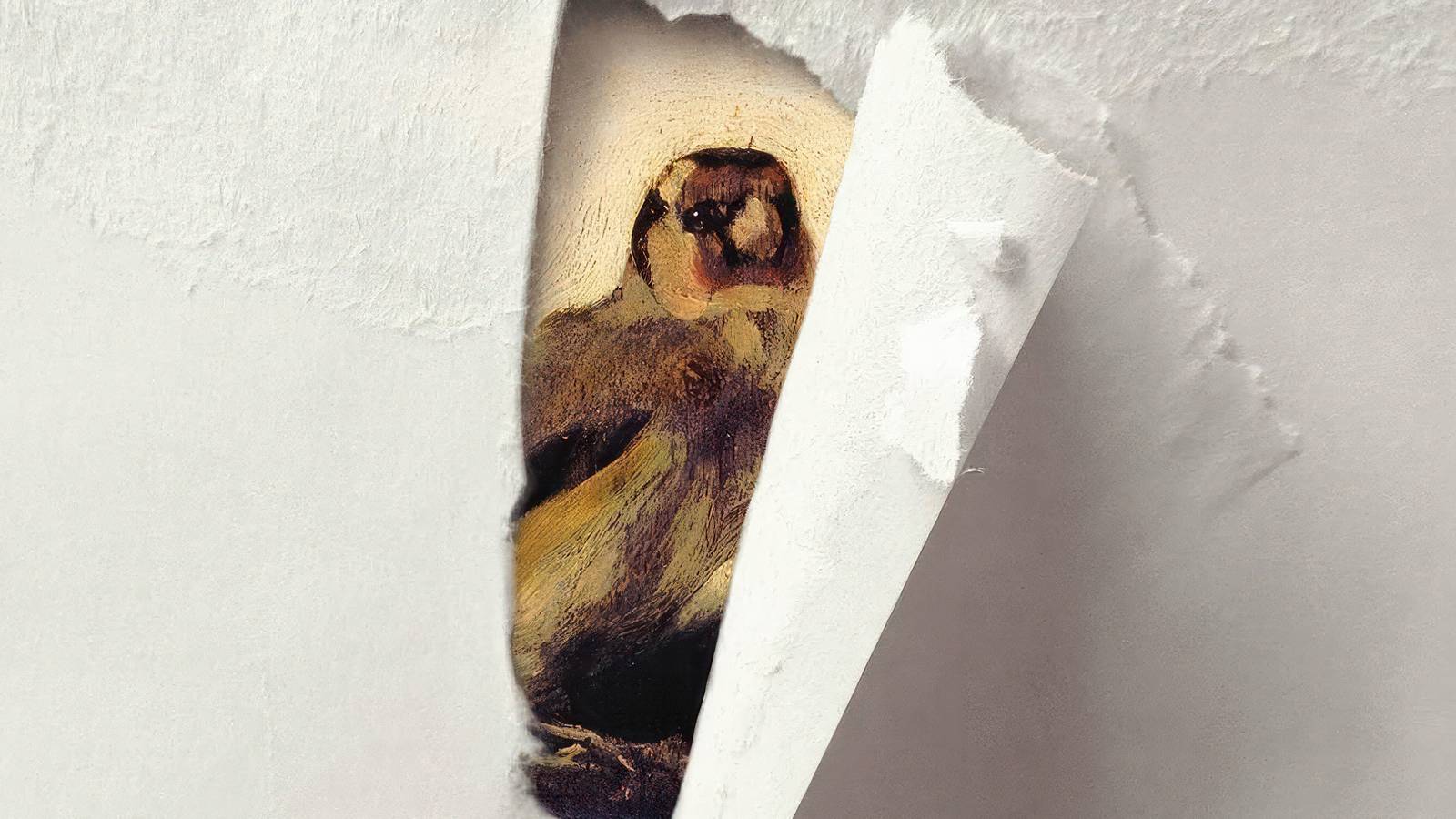
Donna Tartt's third novel, which won the Pulitzer Prize, is a sprawling coming-of-age story that begins with a terrorist bombing at a New York museum. Theo Decker, the young protagonist, survives but loses his mother, and in the chaos, he steals a priceless painting—Carel Fabritius's The Goldfinch. This act sets him on a decades-long journey through grief, addiction, and the art world's dark underbelly. Tartt's prose is rich and immersive, creating a protagonist who is deeply flawed yet utterly compelling. It's a novel about obsession, loss, and the things we cling to in the face of tragedy.
10. The Topeka School (2019) by Ben Lerner
Ben Lerner's autobiographical novel is a sharp examination of masculinity, language, and the American Midwest. The story centers on Adam Gordon, a high school debate champion navigating the complexities of adolescence in the late 1990s. Lerner's prose is intellectually rigorous, dissecting the ways we use words to persuade, manipulate, and connect. The Topeka School is a powerful meditation on the origins of toxic behavior and the stories we tell ourselves to make sense of our lives.
9. The Underground Railroad (2016) by Colson Whitehead
Colson Whitehead's Pulitzer Prize-winning novel reimagines the Underground Railroad as an actual train system, carrying escaped slaves through a fantastical version of the American South. The narrative follows Cora, a young woman fleeing a Georgia plantation, as she journeys through states that represent different facets of oppression and resistance. Whitehead's blend of historical fiction and speculative elements creates a powerful allegory for the enduring legacy of slavery. It's a harrowing, unflinching look at America's past that resonates deeply in the present.
8. Lincoln in the Bardo (2017) by George Saunders
George Saunders's debut novel is a genre-defying masterpiece that takes place in a graveyard where the dead linger in a liminal state. The story centers on Abraham Lincoln's visit to his son Willie's grave, and the chorus of spirits who observe him. Saunders's innovative use of historical documents and fictional testimonies creates a polyphonic narrative that is both heartbreaking and profound. Lincoln in the Bardo is a meditation on grief, love, and the nature of existence, earning its place as a modern classic.
7. The Overstory (2018) by Richard Powers
Richard Powers's Pulitzer Prize-winning novel is a sweeping epic that places trees at the center of the human story. Through a cast of interconnected characters, Powers explores the profound connections between humans and the natural world. The novel's structure mirrors the branching of a tree, with each character's story growing and intertwining. The Overstory is a urgent call to recognize our place within the ecosystem, and a stunning work of literary fiction that challenges our anthropocentric worldview.
6. Normal People (2018) by Sally Rooney
Though Irish, Sally Rooney's novel has become a touchstone for a generation of American readers. The story follows Connell and Marianne, two young people from different social strata, as they navigate love, friendship, and class over several years. Rooney's spare, precise prose captures the nuances of intimacy and miscommunication with devastating accuracy. Normal People is a raw, honest portrayal of modern relationships, and its impact on contemporary fiction cannot be overstated.
5. The Sellout (2015) by Paul Beatty
Paul Beatty's satirical novel, which won the Booker Prize, is a blistering critique of race relations in America. The story follows a young black man who attempts to reinstate segregation and slavery in his Los Angeles neighborhood, with absurd and hilarious results. Beatty's wit is sharp and unrelenting, taking aim at everything from academia to pop culture. The Sellout is a fearless, provocative work that uses humor to expose uncomfortable truths about American society.
4. Sing, Unburied, Sing (2017) by Jesmyn Ward
Jesmyn Ward's National Book Award-winning novel is a haunting road trip through the American South, blending realism with elements of the supernatural. The story follows Jojo, a young boy, and his mother, Leonie, as they travel to pick up his white father from prison. Along the way, they are haunted by ghosts, both literal and metaphorical, representing the legacy of racism and trauma. Ward's prose is lyrical and visceral, creating a powerful meditation on family, memory, and the struggle for survival.
3. The Great Believers (2018) by Rebecca Makkai
Rebecca Makkai's novel is a sweeping, heartbreaking story that spans decades, from the height of the AIDS crisis in 1980s Chicago to the present day. The narrative alternates between Yale, a man who lost his friends to the epidemic, and Fiona, the sister of one of those friends, who is searching for her estranged daughter. Makkai's novel is a powerful tribute to a generation lost, and a testament to the enduring bonds of friendship and love. It's a book that will leave you in tears, but also with a sense of hope.
2. Demon Copperhead (2022) by Barbara Kingsolver
Barbara Kingsolver's Pulitzer Prize-winning novel is a modern retelling of Charles Dickens's David Copperfield, set in the Appalachian mountains. The story follows Demon, a boy born to a teenage mother in poverty, as he navigates a system that seems designed to fail him. Kingsolver's prose is both gritty and poetic, capturing the beauty and brutality of rural America. Demon Copperhead is a sweeping, Dickensian tale of resilience and survival, and a searing indictment of the opioid crisis and its devastating impact on communities.
1. The Underground Railroad (2016) by Colson Whitehead
At the top of our list is Colson Whitehead's The Underground Railroad, a novel that redefines the historical epic. By transforming the metaphorical railroad into a literal one, Whitehead creates a powerful allegory for the African American experience. The novel's structure, with each state representing a different form of oppression, allows Whitehead to explore the many faces of racism in America. It's a work of staggering imagination and moral clarity, and it stands as the definitive American novel of the past fifteen years. Its impact on literature and culture is immeasurable, making it a must-read for anyone seeking to understand the complexities of the American story.
These fifteen novels represent the best of American fiction in the last decade and a half. They challenge, inspire, and entertain, reminding us of the power of storytelling to illuminate the human condition. Whether you're a lifelong reader or just looking for your next great read, these books are essential additions to any bookshelf.