In the world of television, few achievements are as impressive as a series that maintains its quality from the opening scene to the final credits. Too often, shows start with a bang only to fizzle out with filler seasons or disappointing conclusions. HBO, however, has built a reputation for crafting narratives that respect the viewer's time, delivering complete, coherent stories that feel meticulously planned from day one. These aren't just good shows; they are masterclasses in consistent storytelling.
Deadwood (2004–2006)
This Western drama doesn't ask for permission—it throws you headfirst into the mud, blood, and political scheming of a lawless mining camp. The brilliance of Deadwood lies in its unwavering commitment to its own brutal, poetic vision. Centered on the explosive dynamic between lawman Seth Bullock (Timothy Olyphant) and saloon owner Al Swearengen (Ian McShane), the series charts the violent birth of a community. Every alliance, betrayal, and whispered threat feels earned, building a world where character growth and plot progression are inseparable.

Six Feet Under (2001–2005)
Alan Ball's family drama uses the backdrop of a funeral home to explore life's biggest questions with raw honesty. Following the Fisher family as they navigate grief, love, and their own dysfunction, the show finds profound meaning in mortality. Each episode, often beginning with a client's death, seamlessly ties into the emotional journeys of Nate, David, Claire, and Ruth. The character arcs are remarkably authentic, ensuring that every heartbreak and moment of joy feels devastatingly real from the pilot to its legendary, perfect finale.
Rome (2005–2007)
While depicting the epic fall of the Roman Republic, Rome remains grippingly human. It masterfully balances the grand political machinations of figures like Julius Caesar (Ciarán Hinds) with the street-level struggles of soldiers Lucius Vorenus and Titus Pullo (Kevin McKidd and Ray Stevenson). The series never loses sight of how history is shaped by personal ambition, loyalty, and survival. This focus ensures the sprawling narrative remains intimate and compelling throughout its two-season run.
The Leftovers (2014–2017)
Damon Lindelof's haunting series is a testament to the power of embracing mystery. After 2% of the global population vanishes in the "Sudden Departure," the show abandons the need for scientific explanation. Instead, it focuses intensely on the emotional wreckage left behind, following people like police chief Kevin Garvey (Justin Theroux) and grieving mother Nora Durst (Carrie Coon). By committing fully to its theme of coping with the inexplicable, The Leftovers achieves a rare narrative cohesion that makes its ambiguous moments feel profoundly truthful.
Succession (2018–2023)
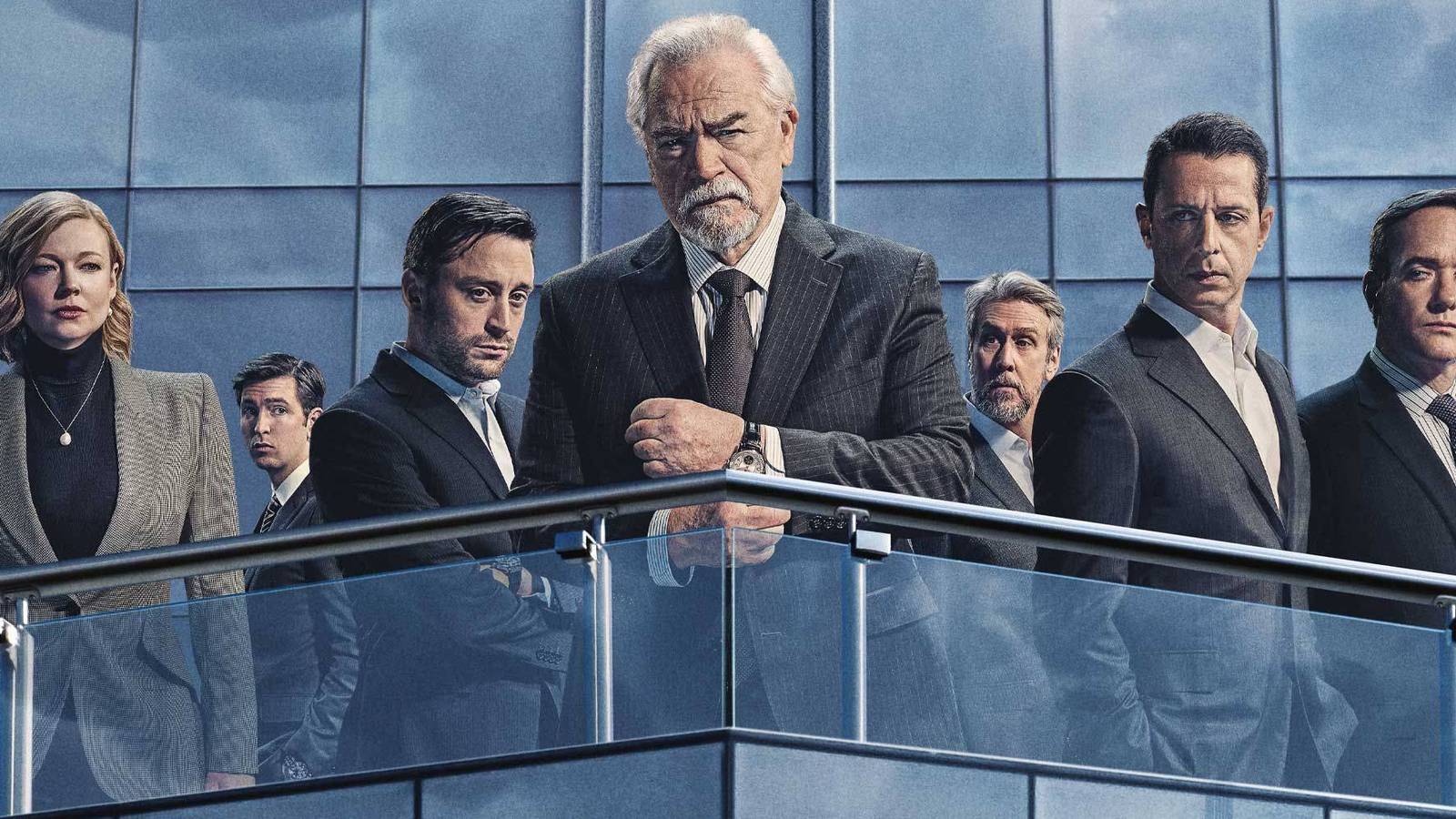
The saga of the Roy family is a masterclass in sustained tension. What could have been a repetitive cycle of boardroom backstabbing evolved into a sharply observed study of trauma, power, and familial love—or the lack thereof. With Logan Roy (Brian Cox) as the monstrous sun, his children Kendall, Shiv, and Roman (Jeremy Strong, Sarah Snook, Kieran Culkin) orbit in a perpetual state of desperate ambition. Every betrayal has lasting consequences, and the show's brilliant writing ensures no emotional punch is ever pulled, building to one of the most discussed finales in recent memory. For fans of high-stakes drama, the buzz around HBO's 'Industry' Season 4 suggests that network still knows how to craft compelling power struggles.
The Wire (2002–2008)
David Simon's seminal Baltimore epic is often cited as the greatest television drama ever made, and for good reason. Each of its five seasons functions as a novelistic chapter in a sweeping critique of American institutions, from the drug trade and ports to city politics, schools, and media. The sprawling cast of cops, criminals, teachers, and journalists are all given depth and purpose. The series never wavers in its complex, unflinching vision, making every story beat feel inevitable and every social commentary resonate deeply.
The Sopranos (1999–2007)
The show that arguably ushered in television's new golden age never dropped the ball. Following mob boss Tony Soprano (James Gandolfini) as he juggles family life with his criminal organization, the series reinvented what a TV protagonist could be. Its blend of brutal violence, dark comedy, and psychological depth remained razor-sharp for six seasons. The writing maintained a perfect tension between the mundane and the monstrous, exploring Tony's therapy sessions and panic attacks with the same intensity as a gangland hit, culminating in a finale that is still debated today.
These seven series stand as pillars of HBO's legacy, proving that with visionary creators and a commitment to the story, television can achieve a rare and rewarding consistency. For viewers looking for another complete, satisfying story, consider 'Paper Girls: The Perfect 8-Episode Sci-Fi Binge You Can Finish This Weekend'. In an era of endless content, these HBO classics remind us that the most rewarding journeys are those with a confident, clear destination.