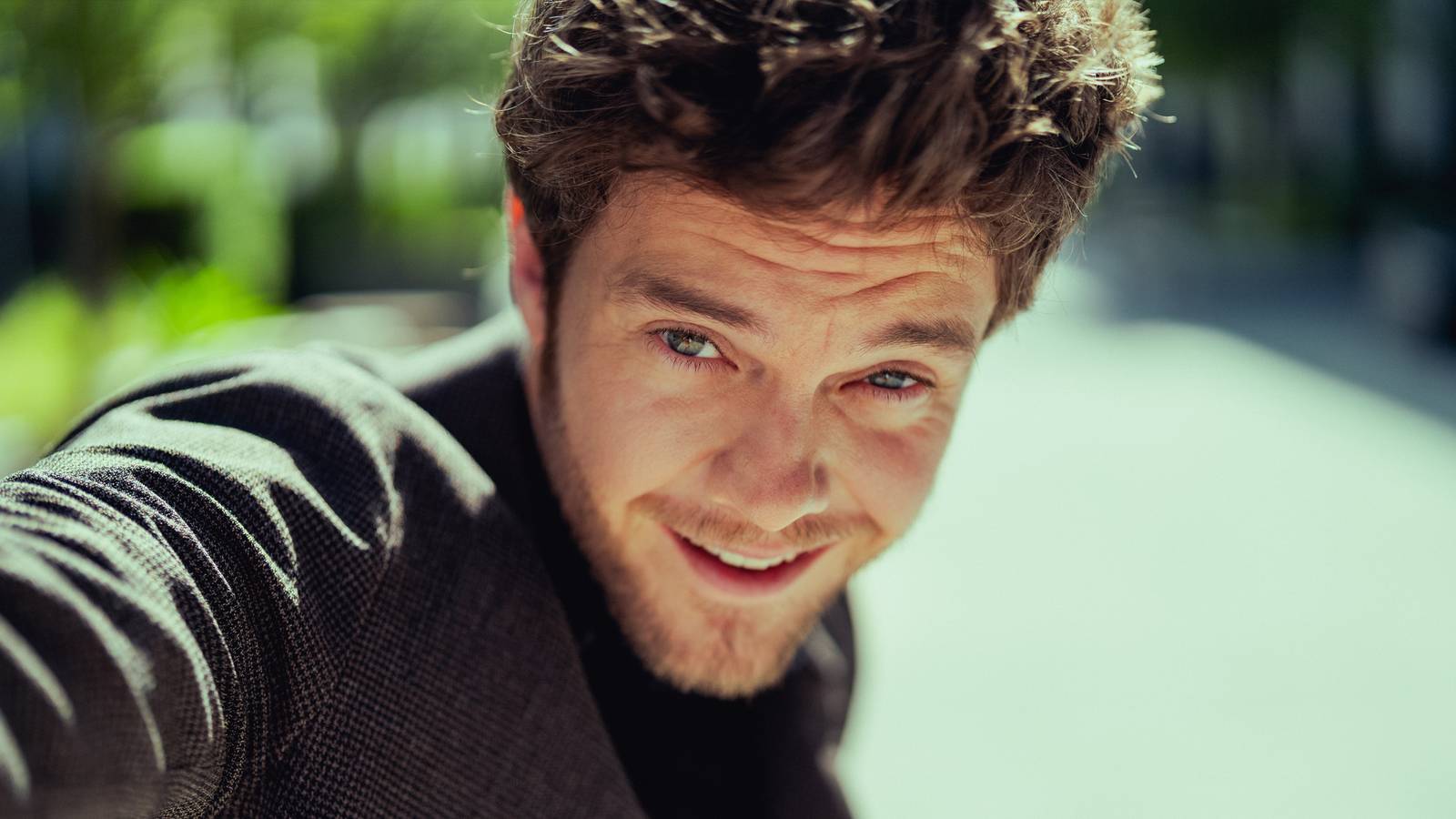
Jack Quaid is riding high on a career-defining wave, but he hasn't forgotten the surreal moment that kicked it off: watching journalists take swings at a punching bag adorned with his own face. "It was a blast," the actor recalls with a laugh, reflecting on the premiere event for his action-comedy Novocaine. That playful, self-deprecating energy has become a hallmark for Quaid, who now stands at the precipice of saying goodbye to the role that made him a household name: Hughie Campbell on Prime Video's explosive series The Boys.
A Year of Versatility and Gratitude
Before diving into the show's final chapter, Quaid enjoyed what he calls "an actor's dream" of a year. He showcased impressive range across multiple genres, from the horror hit Companion and the indie crime drama Neighborhood Watch to a scene-stealing turn alongside Idris Elba in the action film Heads of State. "I got to show different sides of myself," Quaid explains. "I love playing Hughie, but I love that I got to expand and try out new things." Despite the whirlwind success, his prevailing sentiment is one of profound gratitude for simply being able to work consistently in a tough industry.
The Heart of The Boys
Quaid's path is inextricably linked to showrunner Eric Kripke, who cast him as the emotional core of a series famously devoid of traditional heroes. "I would not be here if it was not for Eric," Quaid admits. "I will thank that man 'til I die." In a world of cynical, corrupt superheroes, Hughie's unwavering optimism isn't just a character trait—it's the show's secret weapon. Quaid believes this optimism represents the series' most radical idea.
Hope as an Act of Resistance
"What I love about what Eric wrote is that we're basically saying hope is a choice," Quaid elaborates. "And it's a really tough choice to make because the world is so messed up... But if you're choosing every day to have hope, even when the world kicks you down again and again, it's actually an act of resistance. That's a badass choice." He sees true heroism in the show not as flashy superpowers, but in everyday people making small efforts to improve the world around them.
This philosophy feels especially relevant given The Boys' uncanny, and often uncomfortable, knack for mirroring real-world politics and culture. Quaid notes the show's production timeline—filming about a year before airing—has led to eerily prescient storylines. "Eric likes to write about our current world and then make it 40 percent more insane," he says. "And then somewhere between shooting it and it airing, the world rises to meet that." For Quaid, a self-professed worrier about the state of the world, working on a show that so directly engages with societal darkness has been a strangely therapeutic experience.
Looking Beyond The Seven
As he prepares to hang up Hughie's vest, Quaid's schedule shows no signs of slowing. Fans can look forward to hearing him again as the Man of Steel in My Adventures with Superman, and he's also attached to star as Atlas in the highly anticipated Netflix adaptation of BioShock. These projects highlight his unique position at the intersection of beloved genre franchises.
Ultimately, Jack Quaid steps away from The Boys not just as an actor who landed a breakout role, but as an artist who fully embodied its central, defiant message. In a landscape crowded with superhero stories, his portrayal of Hughie Campbell served as a vital reminder that the most powerful ability isn't flight or super-strength—it's the courage to choose hope, even when it seems like the hardest path of all. The final season promises to test that belief like never before, and Quaid is ready to see Hughie's journey through to its explosive conclusion.