In the sprawling frontier of television Westerns, one legendary series rides supreme, its legacy untarnished by time. For those debating the pinnacle of the genre, the conversation begins and ends with Gunsmoke. Premiering on CBS in 1955, this landmark drama didn't just entertain audiences; it defined what a Western series could be for an unprecedented 20 seasons, amassing a staggering 635 episodes—a record that still stands as a testament to its enduring appeal.
From Radio Waves to Television Icon
Like many classics of its era, Gunsmoke first found its voice on radio. The transition to television was masterminded by Charles Marquis Warren, who cast the towering James Arness as the steadfast Marshal Matt Dillon after John Wayne, who introduced the premiere, passed on the role. This move was deliberate: CBS wanted a mature, adult-oriented drama, a stark contrast to the more youth-focused Westerns like The Lone Ranger. This commitment to sophisticated storytelling for grown-ups became the show's bedrock.

Evolution of a Television Giant
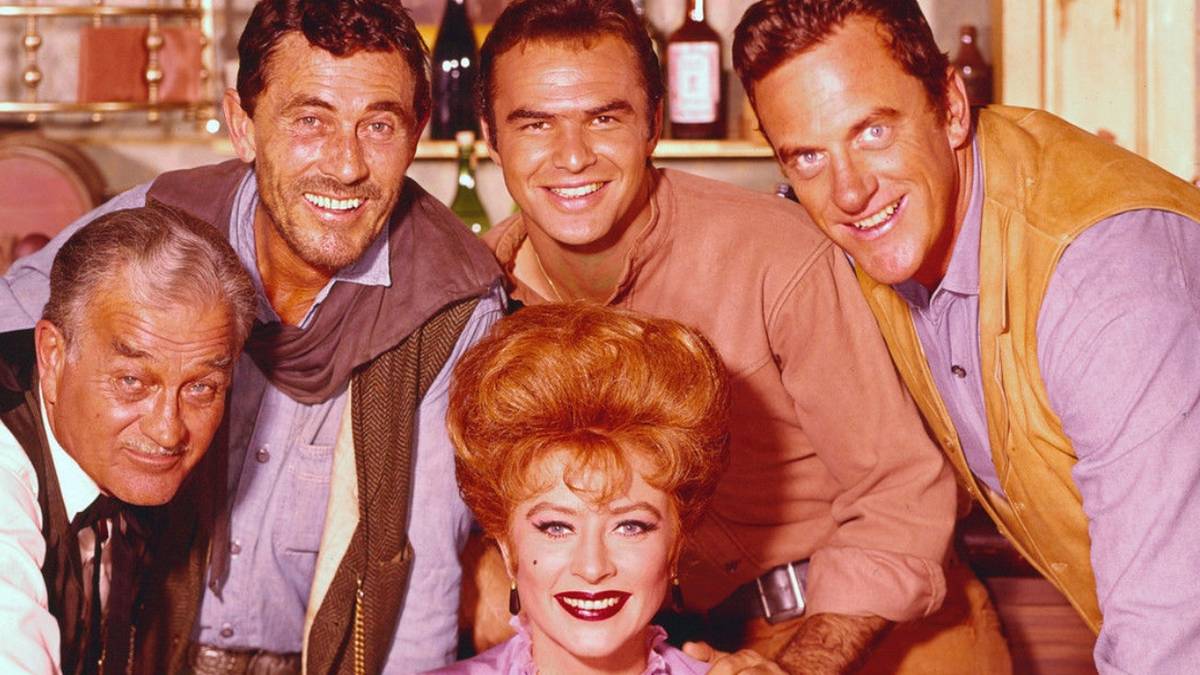
The series initially mirrored its radio predecessor but quickly forged its own path. A pivotal shift occurred in 1961 when Gunsmoke expanded from a half-hour format to a full hour, allowing for deeper, more complex narratives. This era, still in stark black-and-white, produced some of the show's most powerful episodes, such as the morally intense "The Gallows" and the ensemble-driven "Seven Hours to Dawn." The core family of Dodge City—Amanda Blake's Miss Kitty, Milburn Stone's Doc Adams, and Dennis Weaver's Chester Goode—became beloved fixtures in American living rooms.
The show's genius lay in its ability to adapt. It embraced color television in its twelfth season and later experimented with an anthology format, focusing on different characters and stories within its world. This flexibility kept it fresh and relevant, contributing to its phenomenal ratings success. At its peak, Gunsmoke was the #1 show on television for four consecutive years and spent an incredible 13 seasons in the Top 10.
The Unshakable Marshal Dillon
The heart of the series was always James Arness's portrayal of Matt Dillon. He embodied the ideal frontier lawman: principled, resilient, and relentlessly protective of Dodge City. Whether supported by a rotating cast of deputies like Burt Reynolds's Quint Asper or the iconic Festus Haggen (Ken Curtis), Dillon provided a moral anchor. His unwavering commitment to justice created a comforting reliability that viewers returned to for two decades. This character consistency is a major reason the series continues to attract new fans on streaming platforms today.
While many modern shows explore complex anti-heroes, the straightforward virtue of a show like Gunsmoke offers a different, timeless satisfaction. For fans of clear-cut frontier justice, our ranking of the Most Satisfying Revenge Westerns Ever Made captures that same spirit of cinematic comeuppance.
A Legacy That Defined a Genre
Gunsmoke did more than just tell stories; it set the operational blueprint for long-form television storytelling within its genre. Its production scale, character depth, and willingness to evolve became a model others followed. The series proved that a Western could sustain audience interest year after year, tackling contemporary themes through a historical lens. Its influence echoes in every ambitious genre series that followed, a true pioneer in every sense.
In an age of limited series and quick cancellations, the 20-season journey of Gunsmoke feels almost mythical. It represents an era of appointment television where characters became family. For those looking to recapture that feeling with a modern binge, you might find a kindred spirit in this cursed Netflix fantasy that has captured audiences' imaginations. Meanwhile, for a different kind of timeless storytelling magic, explore our list of 10 Vintage Disney Channel Gems That Get Better With Age.
Over seventy years since Marshal Dillon first walked onto the screen, Gunsmoke retains its crown. It is more than a classic; it is the undisputed standard by which all television Westerns are measured—a monumental achievement in storytelling that continues to resonate, proving that some legends of the Old West are truly forever.