When Game of Thrones ended, fans were left with a bitter taste, but the seeds of that disappointment were planted much earlier. While the show's final season is often blamed, many now point to Season 5 as the moment the series began to unravel. Two storylines in particular—Sansa Stark's forced marriage to Ramsay Bolton and Jaime Lannister's ill-fated trip to Dorne—broke the narrative in ways the show never recovered from.
In the early seasons, the show was a faithful adaptation of George R.R. Martin's A Song of Ice and Fire, but by Season 5, it had veered sharply off-book. The source material for that season, A Feast for Crows and A Dance with Dragons, was compressed and altered, and the consequences were devastating for character development and plot coherence.
Sansa's Storyline: A Gratuitous Deviation
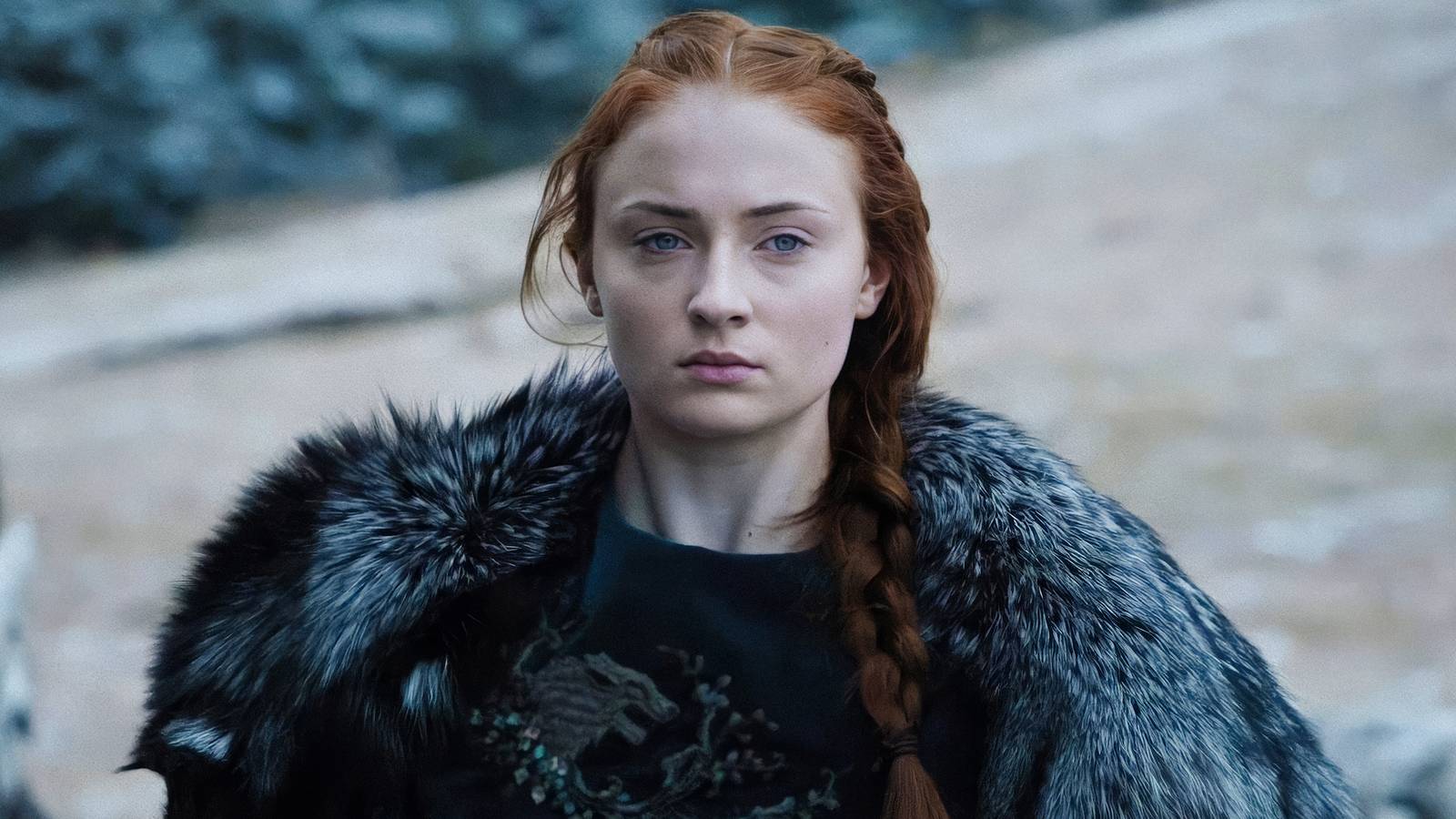
In the books, Sansa is not married to Ramsay. Instead, she remains in the Vale, disguised as Littlefinger's daughter, learning the art of political manipulation. She observes Littlefinger's schemes, applies the lessons she learned in King's Landing, and builds her own network of allies. This is a crucial period of growth for Sansa, transforming her from a pawn into a player.
The show, however, replaced this with a horrific storyline where Sansa is married to the sadistic Ramsay. This change was not only gratuitous but also led nowhere. Sansa's trauma is largely processed off-screen, and by the end, she seems more hardened and cruel rather than empowered. The plot also derailed Littlefinger's intricate plans, leaving his character as a loose end that was hastily tied up in Season 7.
Moreover, the book's version of this plot involves Ramsay marrying a woman posing as Arya Stark—actually Jeyne Poole, Sansa's childhood friend. This deception has far-reaching consequences, including Jon Snow sending wildlings to rescue her, which sets up the Battle of the Bastards. The show's change simplified this, but at the cost of depth and logic.
Jaime's Dorne Detour: A Wasted Journey
Jaime's trip to Dorne in Season 5 was another major misstep. In the books, Jaime never goes to Dorne. Instead, Cersei sends him to the Riverlands, where he tries to restore Lannister control and acts with honor despite his tarnished reputation. This arc is essential for Jaime's redemption, as he brokers peace and distances himself from Cersei's madness.
The show's Dorne storyline, meanwhile, was a shallow adventure that reduced the southern kingdom to a stereotype of promiscuity and spicy food. The escape from Dorne was implausible, and the only meaningful moment—Jaime's conversation with Myrcella about their true relationship—was rendered pointless when she died immediately after. The entire detour added nothing to Jaime's character or the overall plot.
In the books, Jaime's story takes a more intriguing turn: he burns Cersei's plea for help and rides off with Brienne to meet Lady Stoneheart, the resurrected Catelyn Stark. This sets up a major plot thread that the show completely ignored.
The Butterfly Effect of Adaptation
George R.R. Martin has spoken about the "butterfly effect" in adaptations—how small changes can have massive ripple effects. These two Season 5 deviations are prime examples. By altering Sansa's and Jaime's paths, the show lost the intricate, character-driven storytelling that made it great. The result was a rushed, unsatisfying conclusion that left many fans feeling betrayed.
While some deviations from the books are necessary for adaptation, these changes didn't enrich the story; they impoverished it. They were gratuitous, offensive, and ultimately broke the narrative's spine. As we look back on Game of Thrones, it's clear that the show's downfall began not in its final season, but in the choices made in Season 5.
For more on how adaptations can go wrong, check out our analysis of Netflix's East of Eden and its own controversial changes.