John Steinbeck's East of Eden has long been considered unfilmable in its entirety—a sprawling, multi-generational epic that spans decades and dozens of characters. Elia Kazan's 1955 film, starring James Dean, famously adapted only the novel's final chapters. But Netflix's ambitious seven-part limited series, shepherded by Kazan's granddaughter Zoe Kazan, takes on the whole sweeping saga. And in doing so, it makes one of literature's most notorious villains—Cathy Ames—far more complex than Steinbeck ever imagined.
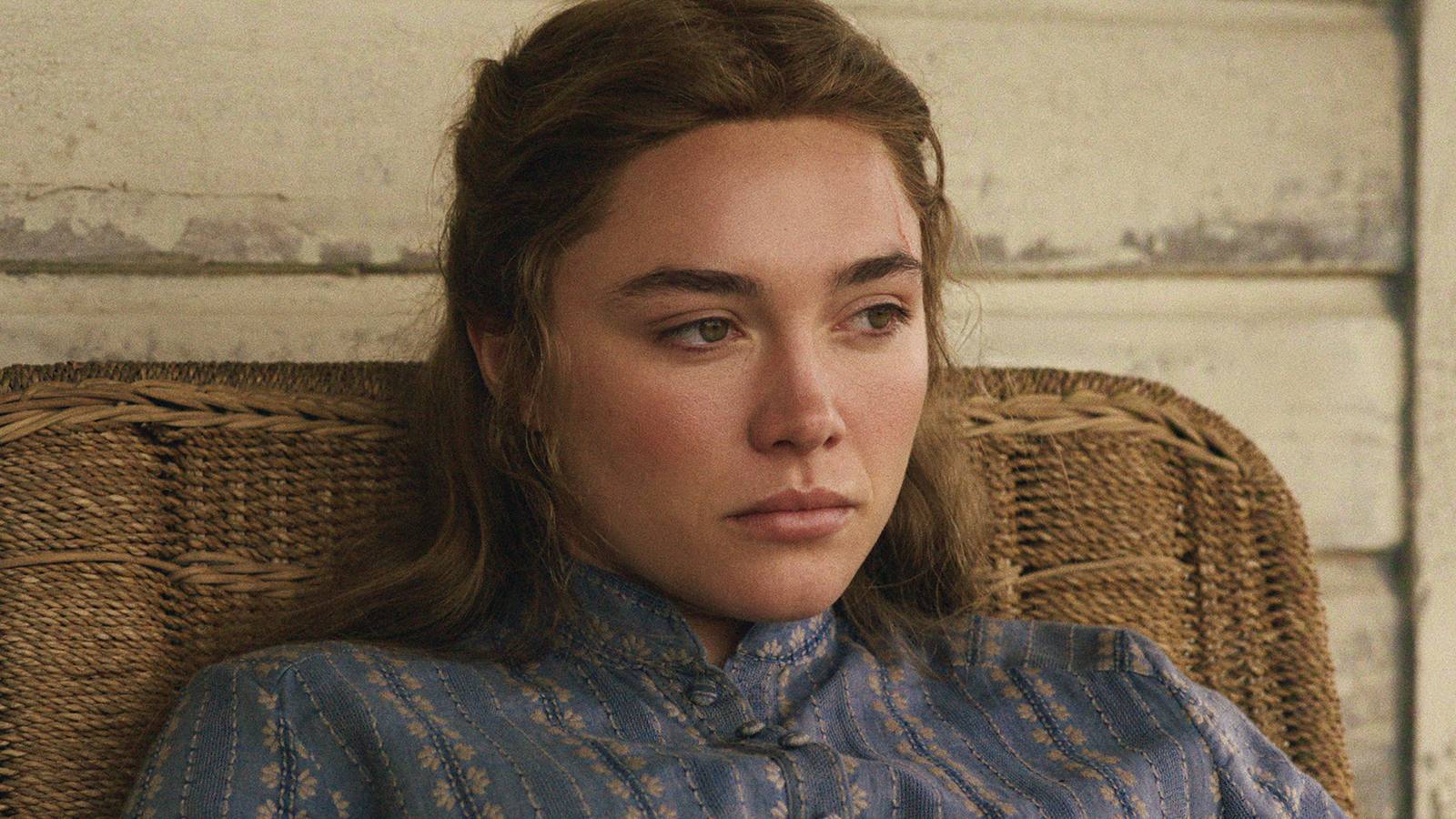
In the novel, Cathy is described as a "psychic monster," a malformed soul incapable of love. The Netflix adaptation, however, introduces her as a victim before she becomes a predator. Played with chilling precision by Florence Pugh, Cathy is first seen as a young girl (Vaughan Reilly) who is harassed, stigmatized, and ultimately driven to kill her parents. She's later savagely beaten by a pimp named Mr. Edwards (Josh McConville) before collapsing on the doorstep of brothers Adam (Christopher Abbott) and Charles Trask (Mike Faist). The series doesn't shy away from her cruelty—she exploits sex workers, betrays Adam's kindness, and abandons her sons—but it reframes her worst acts as desperate survival mechanisms rather than pure evil.

A More Sympathetic Cathy
The most significant reinterpretation comes in Cathy's relationship with her Latin teacher, Mr. James Grew (Nicolas Burton). In the book, Cathy deliberately seduces Grew, leading to his suicide. The series flips the script: Grew is a predator who propositions her, and Cathy acts in self-defense. When her parents refuse to believe her, they reinforce her belief that empathy is a trap. This doesn't excuse her later atrocities—like burning down her home with her parents inside—but it does frame her as a frightened child rather than a born monster.
Kazan uses flashbacks to contrast Cathy's upbringing with that of the Trask brothers. Adam and Charles endure emotional abuse from their father Cyrus (Tracy Letts), a hypocrite who preaches chivalry while lying about his war record. Yet they still develop a bond of unconditional love, teaching them empathy. Charles grows cynical, while Adam remains earnest. This dynamic makes Charles's eventual sexual encounter with Cathy—a desperate, trauma-driven moment rather than romance—all the more tragic. Adam, suspecting Charles is the father of his sons, spirals into depression when both his brother and wife abandon him.
A Deeper Tragedy
Cathy remains a provocateur and deceiver, but the series grants her a painful interiority. The expanded role of Faye (Martha Plimpton), the brothel madam who shows Cathy genuine maternal love, is one of the adaptation's best choices. Cathy poisons Faye slowly to seize control of the brothel, but she carries the weight of that sin—we watch her age, consumed by paranoia and guilt. Her desire for autonomy outweighs any affection she feels, yet the cost is visible.
Her actions aren't justified, and the series makes that clear through Lee (Hoon Lee), the Trask family's servant. Lee endures racism and mistreatment but refuses to let rage define him, instead helping raise Adam's sons with wisdom and compassion. He's the moral counterpoint to Cathy's self-destruction.
For viewers who love a good antihero, this top-rated Netflix miniseries offers a masterclass in character reinvention. And if you're drawn to stories that explore the dark side of human nature, you might also enjoy this Netflix mystery that scratches a similar itch.
Ultimately, Netflix's East of Eden doesn't redeem Cathy Ames—it humanizes her. By showing the wounds that shaped her, the series transforms a one-dimensional villain into a tragic figure whose cruelty is matched only by her loneliness. It's a bold, heartbreaking reimagining that proves some stories only get richer when they dare to go beyond the book.