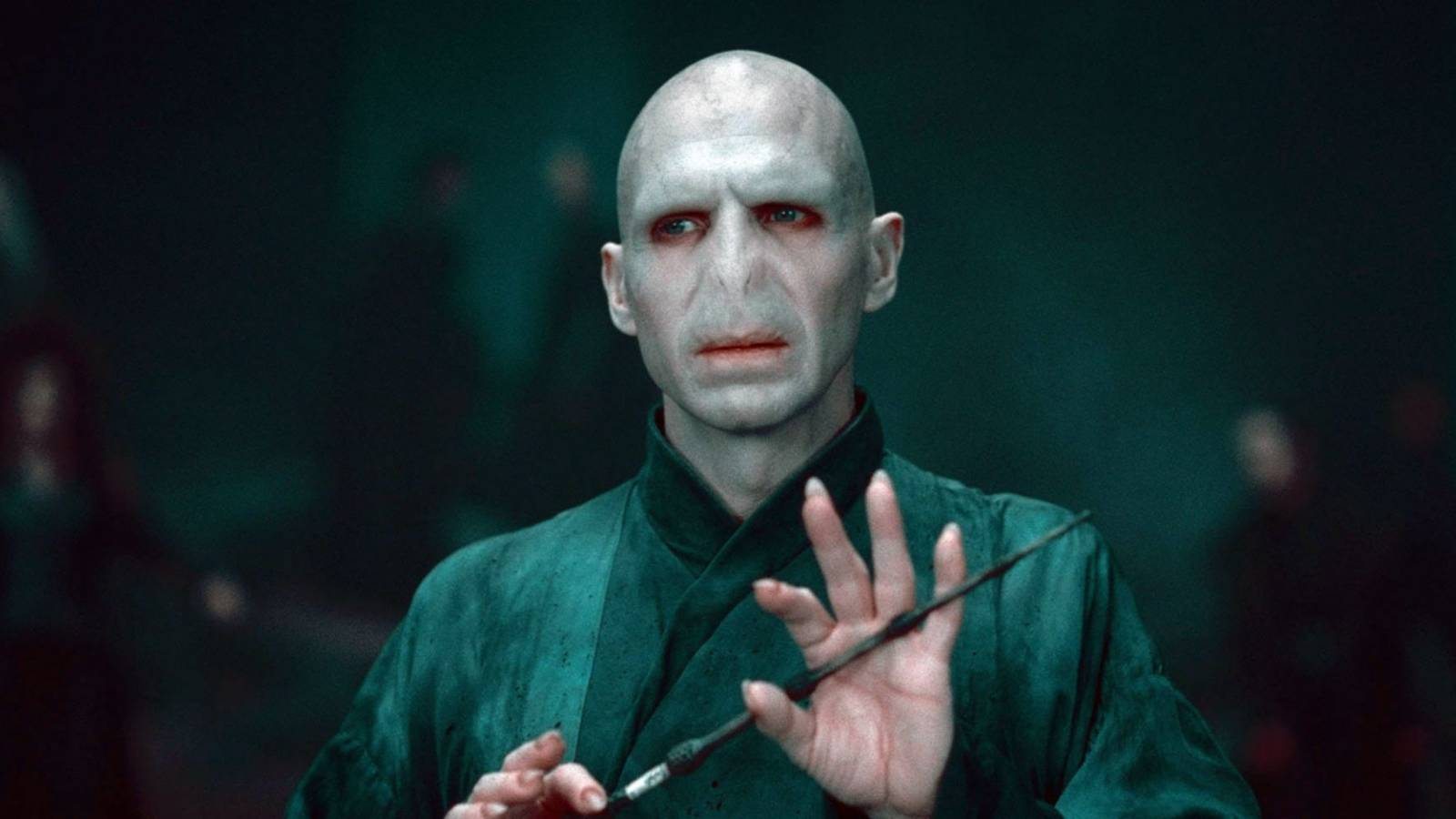
For a generation of moviegoers, Ralph Fiennes is the chilling face of pure evil as Lord Voldemort in the Harry Potter films. Yet, years before he uttered "Avada Kedavra," the actor took on a role representing the ultimate force of good. In a fascinating career pivot, Fiennes voiced Jesus Christ in the 2000 animated feature The Miracle Maker, a film that remains a hidden gem in his storied filmography.
A Grounded Take on a Biblical Figure
The Miracle Maker distinguishes itself from grand biblical epics by focusing on intimate, human-scale storytelling. The narrative is partially seen through the eyes of Tamar, a young girl Jesus heals, lending the film a sense of personal vulnerability. Directors Derek W. Hayes and Stanislav Sokolov employed a unique visual style, blending detailed stop-motion animation for the characters with traditional hand-drawn sequences for dreamlike visions. This creative choice gave the film a tangible, textured quality that was rare in an era dominated by early computer animation from studios like Pixar.

Fiennes' Serene Performance
At the heart of this quiet film is Fiennes' remarkably gentle vocal performance. His Jesus is a figure of calm authority, empathy, and even warmth, a stark departure from the tortured or stern portrayals seen in other adaptations. He emphasizes the character's humanity and connection to others, presenting him more as a compassionate teacher than a distant deity. This role required a profound shift from the actor, who had already stunned audiences with his terrifying portrayal of Nazi commandant Amon Göth in Schindler's List.
Highlighting an Actor's Staggering Range
The contrast between Fiennes' most famous villain and this role underscores his incredible versatility. From the monstrous Voldemort and the chilling Francis Dolarhyde in Red Dragon to the serene Messiah, Fiennes has repeatedly proven his ability to inhabit extremes. His performance in The Miracle Maker channels the same patience and compassion he would later bring to beloved roles in films like The Grand Budapest Hotel. The film also boasted an impressive supporting voice cast, including William Hurt, Miranda Richardson, and David Thewlis, who brought depth and gravity to the ensemble.
Despite its artistic merits, The Miracle Maker was overshadowed by flashier biblical projects and, later, the global phenomenon of Harry Potter. For many, Fiennes' early 2000s are defined solely by his rise as the Dark Lord. This makes revisiting the film a rewarding experience, as it reveals a compelling counter-narrative in his career. It's a testament to his skill that he could so convincingly portray history's greatest symbol of evil and its ultimate symbol of goodness within just a few years.
A Lasting Legacy and New Horizons
While The Miracle Maker remains a niche title, Fiennes' connection to iconic franchises continues to captivate fans. Discussions about the upcoming HBO Harry Potter reboot often highlight his definitive performance, and rumors about the series' future casting, like potential successors to Voldemort, keep his legacy in the spotlight. Furthermore, his continued success in projects like the thriller Conclave proves his enduring appeal across genres.
This forgotten chapter serves as a powerful reminder that the best actors are defined by their range, not by a single iconic role. Ralph Fiennes' journey from the voice of Jesus to the face of Voldemort is one of the most dramatic and impressive transformations in modern cinema.