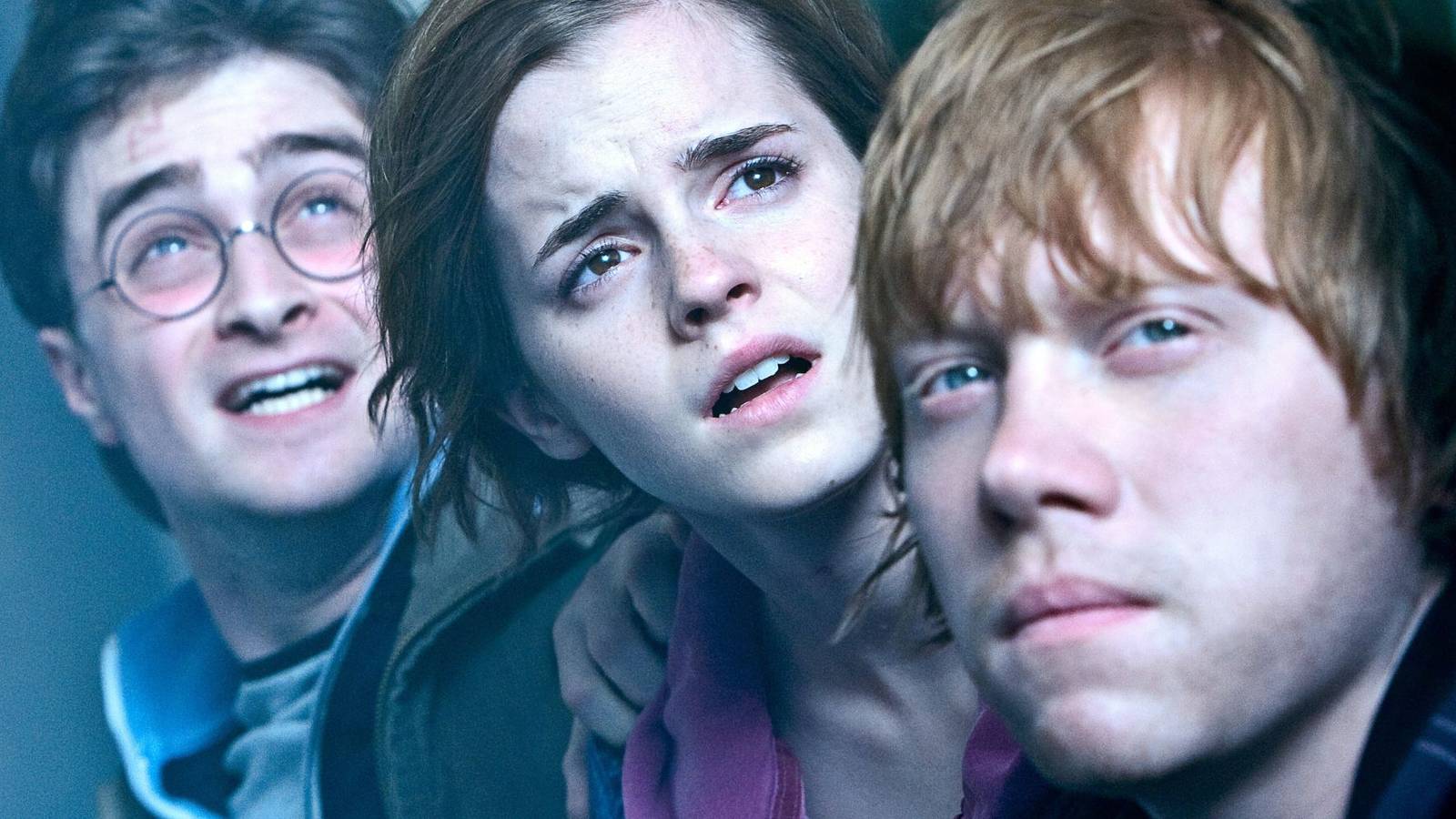
The magic is officially brewing for HBO's ambitious Harry Potter television reboot, and the latest spell cast is one that will delight longtime fans of the books. In a clear signal of its creative direction, the series is set to finally introduce Peeves, the mischievous poltergeist who haunted Hogwarts in J.K. Rowling's novels but was conspicuously absent from the blockbuster film franchise. This inclusion, confirmed in the recent HBO documentary "Finding Harry: The Craft Behind the Magic", is more than just fan service—it's a declaration of intent for a more comprehensive adaptation.
Why Peeves Matters
For the uninitiated, Peeves is a chaotic, gleeful spirit who delights in causing trouble for students and staff alike within the halls of Hogwarts. While not central to Harry's core battle against Voldemort, Peeves is a vital piece of the school's quirky, living atmosphere. His antics provide comic relief and a sense of whimsical danger that defines the early books. The character's omission from the films, reportedly due to time constraints and technical challenges, has long been a point of contention for readers who felt the movies streamlined away some of the saga's unique charm.
The decision to include him now speaks volumes. It suggests the producers are listening to the passionate book-reading audience and are willing to leverage the expanded runtime of a series to flesh out the world in ways the two-hour films could not. This approach mirrors the success of other detailed adaptations, where depth often wins over breadth.
A Blueprint for a Faithful Reboot
Peeves is likely just the first of many beloved elements from the page that will find their way to the screen. The feature films, especially when adapting denser later books like The Order of the Phoenix, had to make significant cuts to subplots, characters, and world-building details. The HBO series, with the luxury of multiple episodes per season, has the canvas to restore these moments. Think of possibilities like the full intrigue of S.P.E.W., the depth of the Department of Mysteries, or even the ghostly Deathday Party—all moments that enrich the story but were trimmed for cinematic pacing.
This strategy is a smart one. Simply rehashing the iconic films shot-for-shot would offer little reason for audiences to invest years in a new adaptation. By promising a version that is demonstrably closer to the source material, the show creates its own unique value proposition. It becomes the "definitive" adaptation for purists, while offering new visuals and interpretations for a new generation. It's a lesson seen in successful reboots that honor their origins while carving a new path, much like the recent buzz around the "Escape From New York" reboot.
Building a New Wizarding World
The inclusion of Peeves also helps assuage concerns about the reboot's tone. The first teaser hinted at a darker, more cinematic aesthetic, leading some to wonder if the series would lose the books' playful heart. Peeves embodies that heart. His presence confirms that the showrunners understand the balance between the growing darkness of the narrative and the inherent wonder of the wizarding world. It's a balance crucial for capturing the spirit of the series as Harry grows from a wide-eyed first-year into a burdened young adult.
Furthermore, this move builds immense goodwill with the core fanbase. In an era where legacy sequels and reboots often face skepticism, demonstrating a clear respect for the original text is the strongest foundation possible. It suggests that the creative team views the books as a blueprint, not merely as inspiration. This faithful approach can be a major draw, similar to how detailed anime adaptations like "Kaya-chan Isn't Scary" resonate by honoring their source.
What This Means for the Future
As the series progresses toward its slated holiday 2026 debut, the confirmation of Peeves sets a precedent. It raises expectations for a richly populated Hogwarts and a narrative that isn't afraid to explore the corners of the castle the films glossed over. It also hints at the potential for other cut characters and subplots to receive their due. This level of detail could redefine what audiences expect from a Harry Potter adaptation, moving it from a highlight reel to a immersive, novelistic experience.
Ultimately, the summoning of Peeves is a clever and symbolic first step. It tells fans that this reboot is not just a visual upgrade but a conceptual expansion. By committing to the books' full tapestry—chaotic poltergeists and all—HBO's Harry Potter is conjuring a promise: to build a version of the wizarding world that feels both thrillingly new and comfortingly familiar. As casting news continues to roll out, including intriguing rumors like Tilda Swinton being eyed for Voldemort, the magical foundation for this ambitious series is looking stronger by the day.