The action genre has exploded with high-octane spectacles, but a handful of films stand as true architects, laying the foundation for every explosion, fight scene, and death-defying stunt that followed. These aren't just great movies; they are cinematic blueprints that redefined the rules of engagement. Let's dive into the eight most important action films that built the genre from the ground up.
The Raid: Redemption (2011)
Proving that raw intensity trumps massive budgets, this Indonesian martial arts film became an instant classic. It follows an elite police squad trapped in a high-rise controlled by a ruthless crime lord. The plot is stripped to its bare essentials, serving as a relentless delivery system for some of the most brutal, beautifully choreographed hand-to-hand combat ever filmed. The Raid: Redemption reminded the world that action, at its purest, needs little more than skill, tension, and breathtaking physicality.
Hard Boiled (1992)
Director John Woo elevated the shootout to an art form with this Hong Kong masterpiece. The story of a tough cop and an undercover agent taking on a mob of arms dealers is secondary to the ballet of bullets that unfolds. Woo pioneered "gun-fu," blending martial arts grace with explosive firearm combat, creating sequences that were both elegantly stylized and brutally visceral. Its influence echoes through countless films, setting a new standard for cinematic violence that was somehow poetic.
The General (1926)
Long before CGI, Buster Keaton performed jaw-dropping, real-life stunts in this silent-era landmark. Set during the Civil War, Keaton's character embarks on a daring mission to rescue his stolen locomotive and his beloved. The film is a masterclass in physical comedy and thrilling practical action, featuring a legendary train chase that remains astonishing nearly a century later. It's a foundational text in fearless filmmaking, proving that genuine peril translates to timeless excitement.
The Bourne Identity (2002)
This film dragged the action hero into the 21st century with a gritty, grounded aesthetic. Matt Damon stars as an amnesiac assassin uncovering his past while evading shadowy pursuers. Its revolutionary use of shaky, handheld cameras and rapid-fire editing created a sense of immersive, chaotic realism that made every punch and parkour move feel dangerously immediate. The style was so influential it reshaped entire franchises, forcing even iconic spies to adopt a more rugged approach.
John Wick (2014)
Reinvigorating the genre with sleek, tactical precision, this modern classic launched a new era. Keanu Reeves plays a retired hitman thrust back into a secret underworld after a personal tragedy. The film's genius lies in its "gun-fu" choreography and world-building, favoring wide shots and long takes that let the intricate action breathe. It proved that a simple revenge plot could feel fresh with impeccable execution, inspiring a new wave of flawless action sequences.
The Matrix (1999)
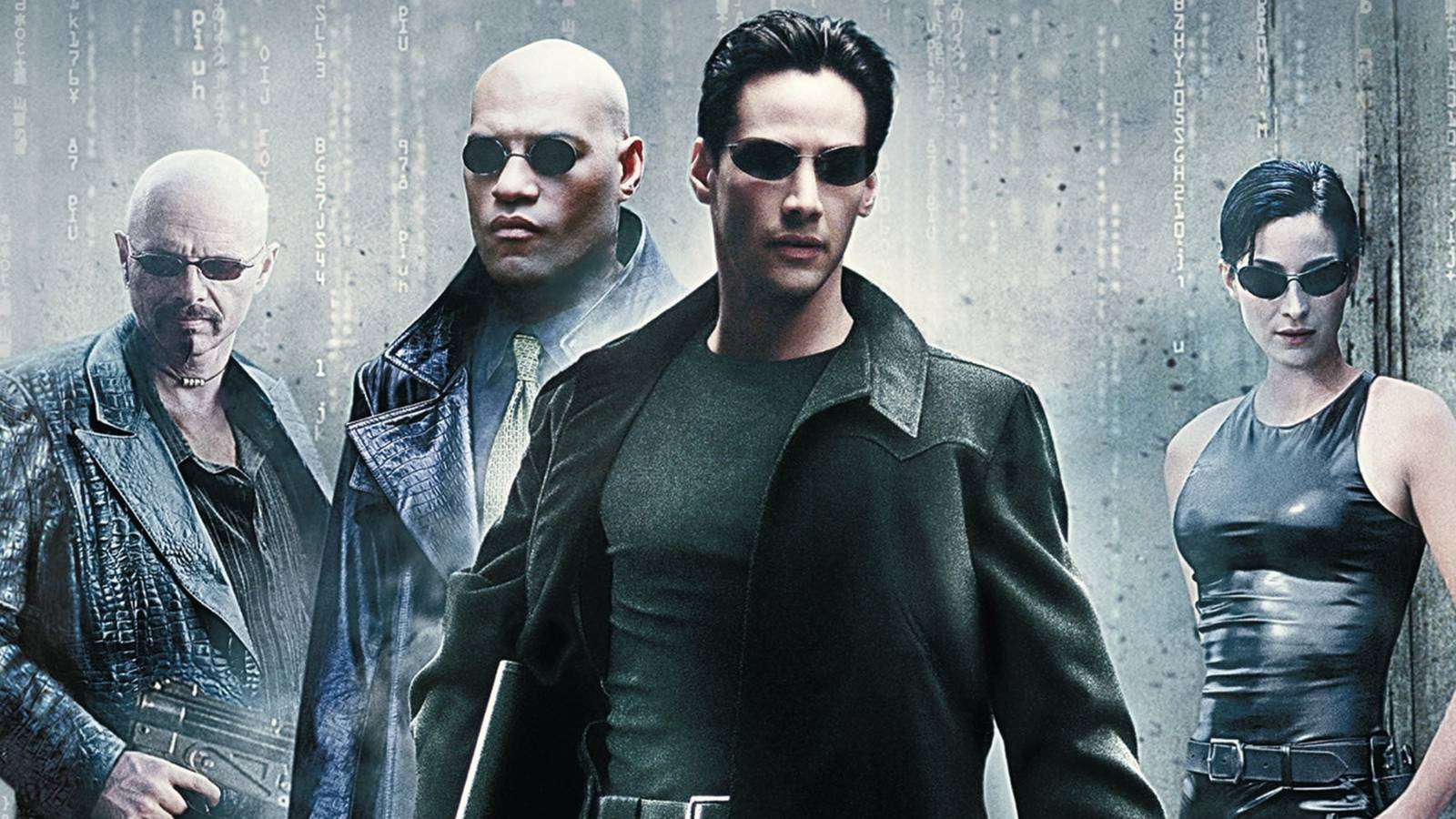
Blending cyberpunk philosophy with revolutionary visuals, the Wachowskis' sci-fi opus changed filmmaking itself. It follows a hacker who discovers his reality is a simulation and joins a rebellion. While it borrowed elements from Hong Kong action cinema, The Matrix introduced "bullet time" and other digital techniques that expanded the language of on-screen combat. It created a seamless blend of martial arts, wirework, and CGI that made the impossible look not only possible but breathtakingly cool.
Seven Samurai (1954)
Akira Kurosawa's epic is the bedrock upon which countless action and team-assembly stories are built. It chronicles a village's hiring of seven ronin to defend against bandits. Beyond its magnificent battle sequences, the film established the template for character-driven action, where strategy, sacrifice, and camaraderie are as crucial as the swordplay. Its structure and themes have been directly adapted in films ranging from westerns to sci-fi, proving its timeless narrative power.
Die Hard (1988)
This film perfected the "everyman" action hero trapped in a confined space. Bruce Willis's John McClane, a New York cop battling terrorists in a Los Angeles skyscraper, was vulnerable, witty, and relentlessly resourceful. It shifted the genre from muscle-bound invincibility to a more relatable, gritty struggle, blending explosive set pieces with sharp dialogue and a palpable sense of escalating tension. It created a blueprint for the modern crime thriller that dominates screens to this day.
Together, these eight films represent the evolutionary leaps of action cinema. They moved from silent-era stunts to balletic gunplay, from gritty realism to digital wonder, each one answering the question "What can action be?" with groundbreaking ambition. Their legacy is visible in every carefully crafted fight scene and daring stunt that continues to push the genre forward.