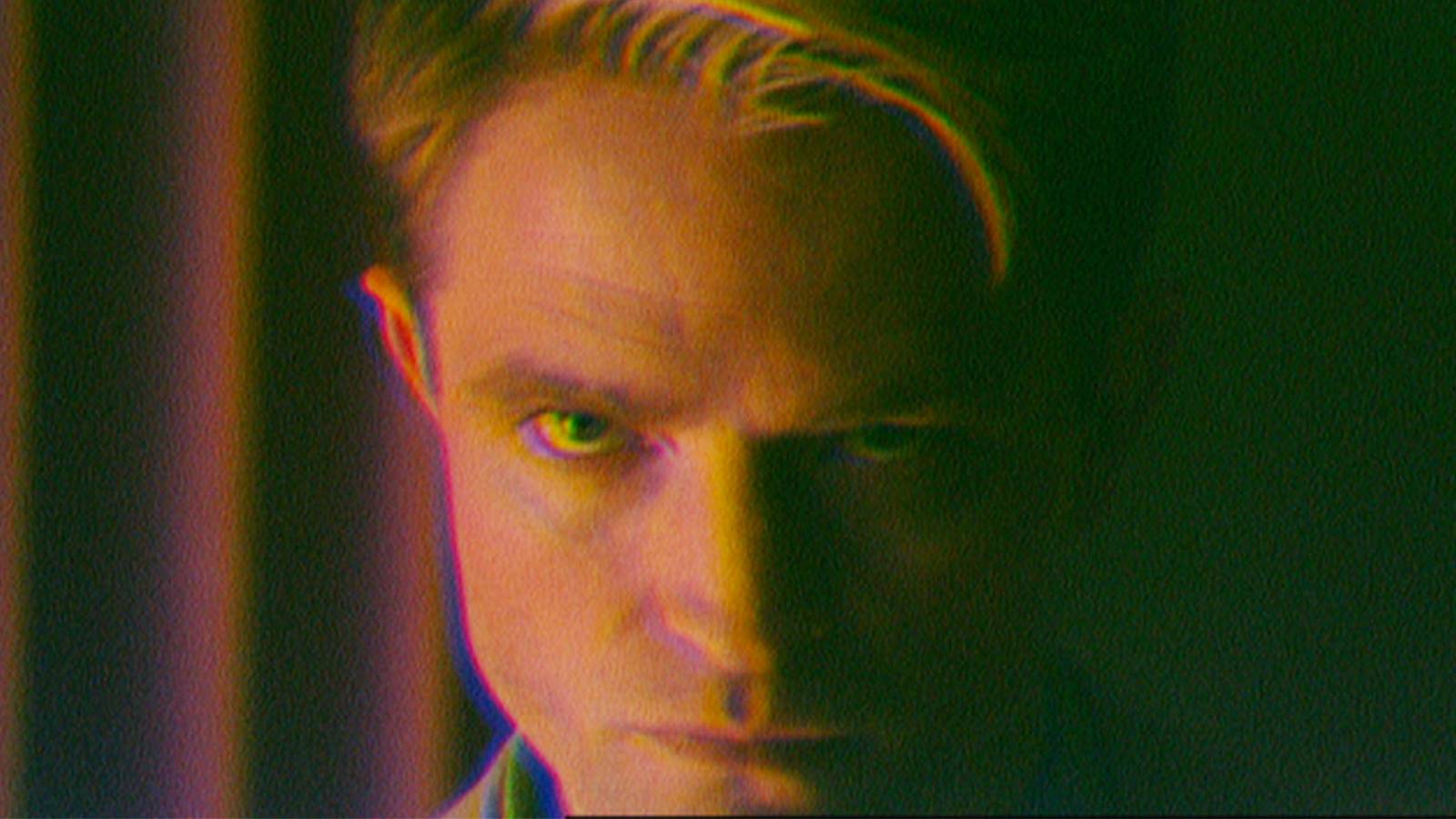
For years, being labeled "chronically online" was a punchline—a way to dismiss those who lived and breathed internet culture, memes, and niche fandoms. But in 2026, that label has become a badge of honor, thanks to a wave of YouTube creators who have stormed Hollywood with original, terrifying, and wildly profitable films. At the forefront is Kane Parsons, the 20-year-old director behind A24's Backrooms, which has shattered box office records and proven that the weird corners of the internet are now the industry's most fertile ground.
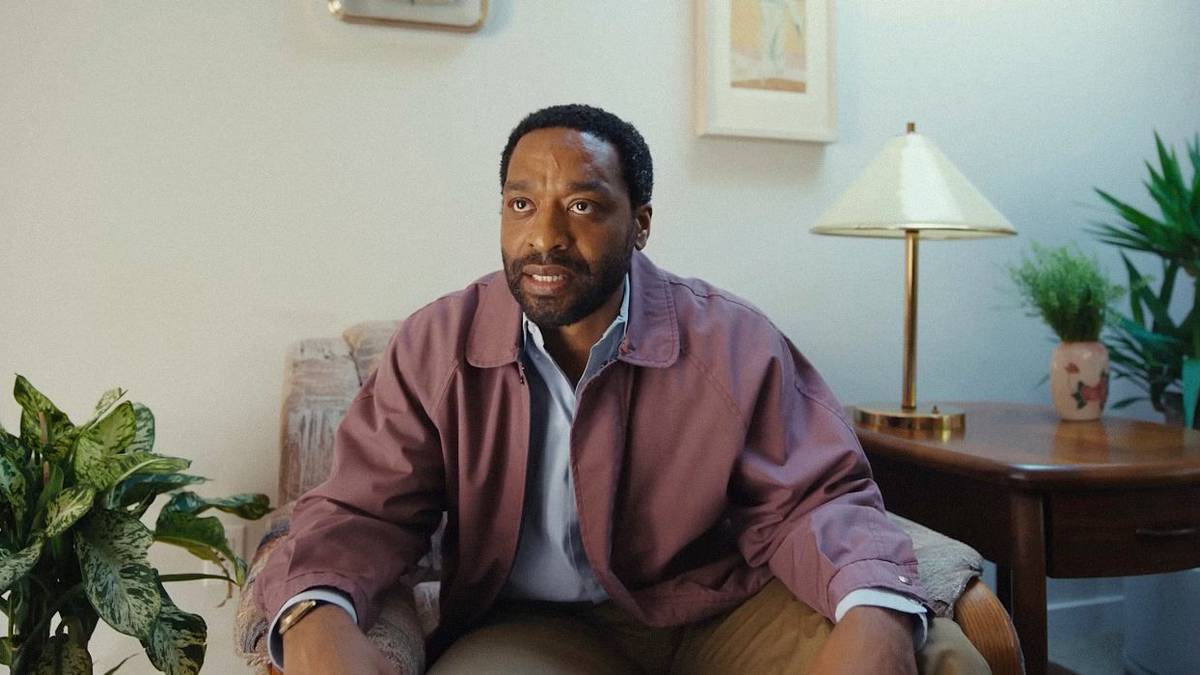
Parsons isn't alone. Curry Barker's Obsession—made on a shoestring $750,000 budget—has grossed over $200 million, making it one of the most profitable films in recent memory. Markiplier's Iron Lung also joined the ranks, showing that YouTube-born talent can deliver both critical and commercial success. But it's Backrooms that has truly captured the zeitgeist, becoming A24's highest-grossing movie ever and landing Parsons a deal to direct a film starring Chiwetel Ejiofor and Renate Reinsve. The message is clear: the internet's weirdos are having their moment.

The Birth of a Phenomenon
The Backrooms phenomenon began in 2019 with a single 4chan post—a haunting description of "nocliping out of reality" into an endless maze of yellow, damp rooms. The image and text went viral, spawning a sprawling online mythology. Enter Kane Parsons, who turned that lore into a ten-minute YouTube short that used found-footage style and psychological dread instead of jump scares. The video became a sensation, and soon Hollywood came calling. A24 greenlit a feature-length version, and the rest is history.
This transition from internet storytelling to big-screen success isn't always seamless. The collaborative, fragmented nature of online lore—where fans co-create and expand the universe—can clash with the traditional, single-writer screenplay model. Yet Backrooms managed to capture that ambiguity and collective creativity, making it feel both fresh and deeply unsettling. For fans of the genre, it's a reminder that the best horror often comes from unexpected places, much like the House of Leaves novel that similarly blurs reality and fiction.
Hollywood's New Gold Rush
The success of these films has Hollywood scrambling to replicate the formula. Studios are realizing that the internet is no longer a secondary venue—it's a launchpad for the next generation of filmmakers. YouTube creators can write, shoot, and publish instantly, bypassing traditional gatekeepers. And when their work resonates, it resonates deeply. Obsession earning over 140 times its budget is a statistic that has executives paying attention.
But there's a risk. As major studios rush to emulate this success, they may strip away the authenticity that made these projects special. The challenge is preserving the integrity of internet-born stories without turning them into corporate products. As one insider put it, "The next idea has likely already been made, and Backrooms is already old-fashioned in internet time." The speed of online culture means that what's viral today could be forgotten tomorrow, and Hollywood must adapt to keep up.
For the creators themselves, this newfound attention is both thrilling and nerve-wracking. Parsons and Barker have plans for future projects, and they're not shying away from the spotlight. But they know that with mass audiences come greater risks of distortion. Still, they're embracing the moment—and proving that the "chronically online" are here to stay.
This shift also highlights how YouTube is becoming TV's biggest rival, as seen in Netflix's 'Hot Ones' spin-off. The line between internet content and mainstream entertainment is blurring, and the winners are those who understand both worlds.
As Backrooms continues to creep into the top 50 horror box office with a $220 million haul, it's clear that this is just the beginning. The next generation of filmmakers is already online, waiting for their moment to noclip into Hollywood.