If the claustrophobic, endless corridors of Backrooms left you craving more, there's a book that takes that same dread and amplifies it tenfold. Mark Z. Danielewski's House of Leaves is a labyrinthine novel that plays with the same fears of the unknown, but in a way that only a physical book can achieve. It's the perfect next step for anyone who found themselves mesmerized by the liminal horror of the Backrooms.
The Shared DNA of Two Nightmares
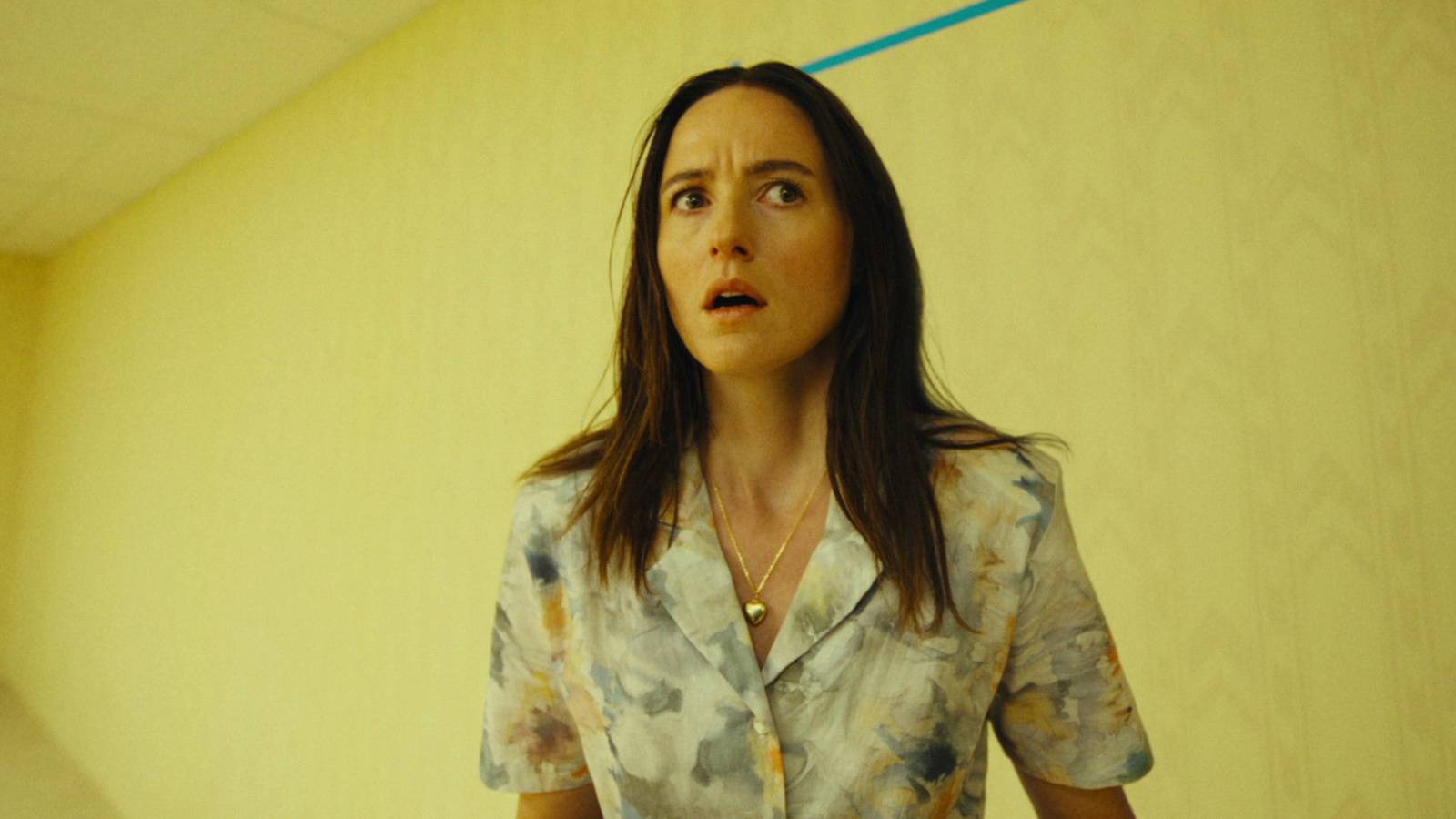
At its core, House of Leaves revolves around a documentary called The Navidson Record, which chronicles a family's discovery that their house is larger on the inside than the outside. Sound familiar? Like the Backrooms, this house contains an impossible, shifting maze of rooms that defies logic and drives its inhabitants to madness. But where the Backrooms movie (2026) keeps its plot relatively simple—a man stumbles into the void, his therapist follows—House of Leaves layers its narrative with multiple unreliable narrators, footnotes, and meta-commentary that make you question what's real.
This layered approach is what sets House of Leaves apart. The book isn't just a story about a haunted house; it's a story about a man analyzing a documentary about a haunted house, and another man analyzing that analysis. It's a dizzying descent into madness that mirrors the experience of being lost in the Backrooms themselves. For fans of the House of the Dragon Season 3 Episode 2 runtime discussions, this book offers a different kind of epic—one measured in pages and psychological depth.
Why the Horror Hits Harder
The horror in House of Leaves isn't just about the creepy spaces—it's about the way the book itself makes you feel unmoored. The formatting is deliberately disorienting: text runs sideways, footnotes spiral into tangents, and the layout forces you to physically turn the book around. It's a reading experience that mimics the sensation of waking from one nightmare into another, never quite sure if you've escaped. That's a level of immersion that even the best Backrooms adaptations struggle to match.
While the 2026 Backrooms film excels in its found-footage sequences, House of Leaves uses its literary form to create a similar sense of documentary-style dread. The book's central documentary, The Navidson Record, feels like a real artifact, complete with academic analysis and personal annotations. It's a trick that makes the horror feel tangible, as if you've stumbled onto something you shouldn't have.
A Book That Can't Be Adapted
One of the most fascinating aspects of House of Leaves is that it's nearly impossible to translate to film or audio. The book's physicality—its unusual typography, its color-coded text, its labyrinthine footnotes—is integral to the experience. An audiobook version would be a logistical nightmare, and even a digital edition loses some of the magic. This makes it a uniquely literary horror experience, one that rewards patience and close reading.
For fans of the Backrooms who want to dive deeper into the concept of infinite, unknowable spaces, House of Leaves is the natural next step. It's dense, challenging, and occasionally frustrating, but that's exactly the point. The book doesn't just tell you about madness—it makes you feel it. And in a world where cozy comfort shows like Sweet Magnolias dominate streaming, sometimes you need a book that will keep you up at night.
So if you've exhausted the Backrooms rabbit hole, pick up House of Leaves. Just be prepared to lose yourself in its pages—and maybe your grip on reality along the way.