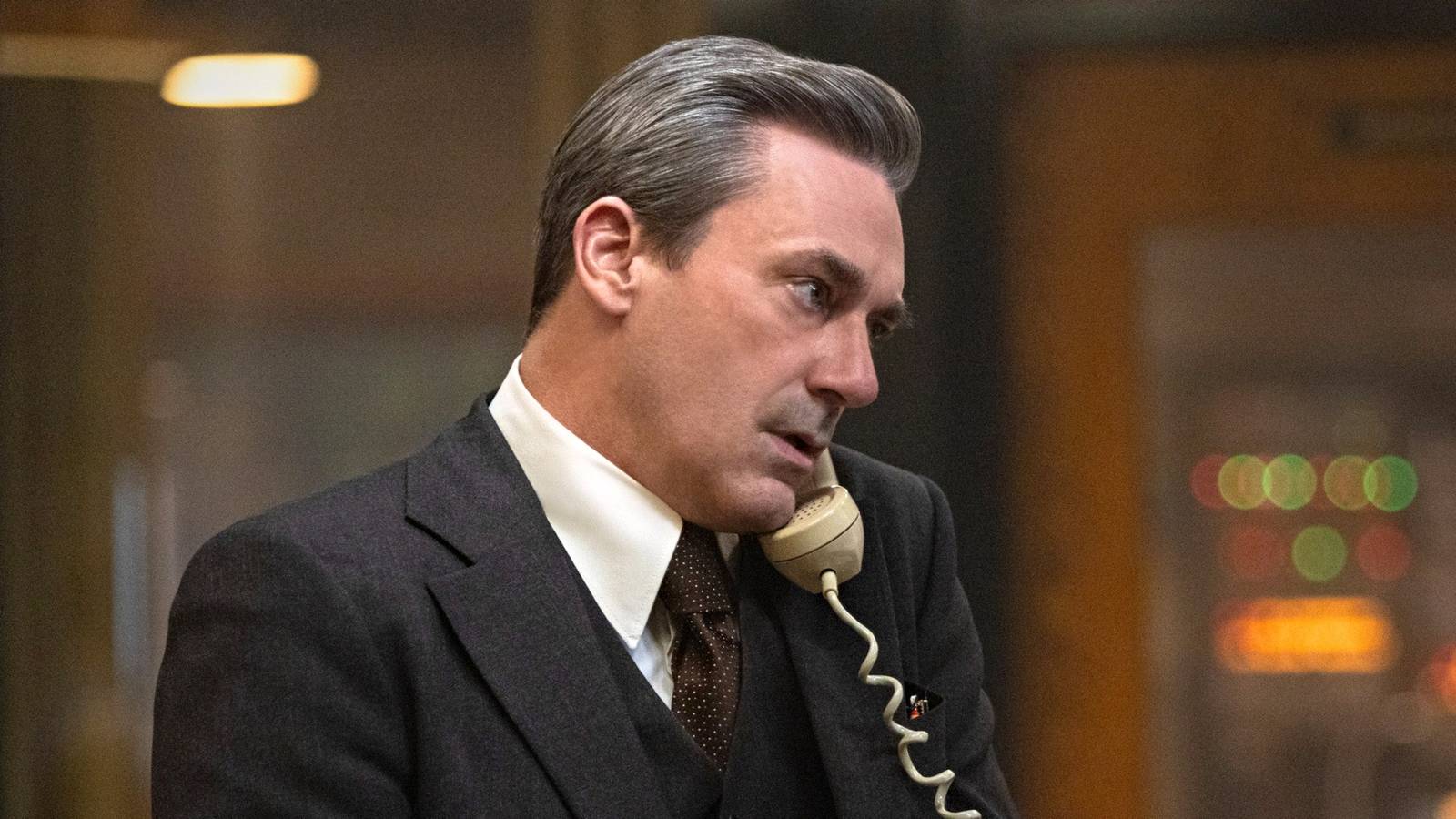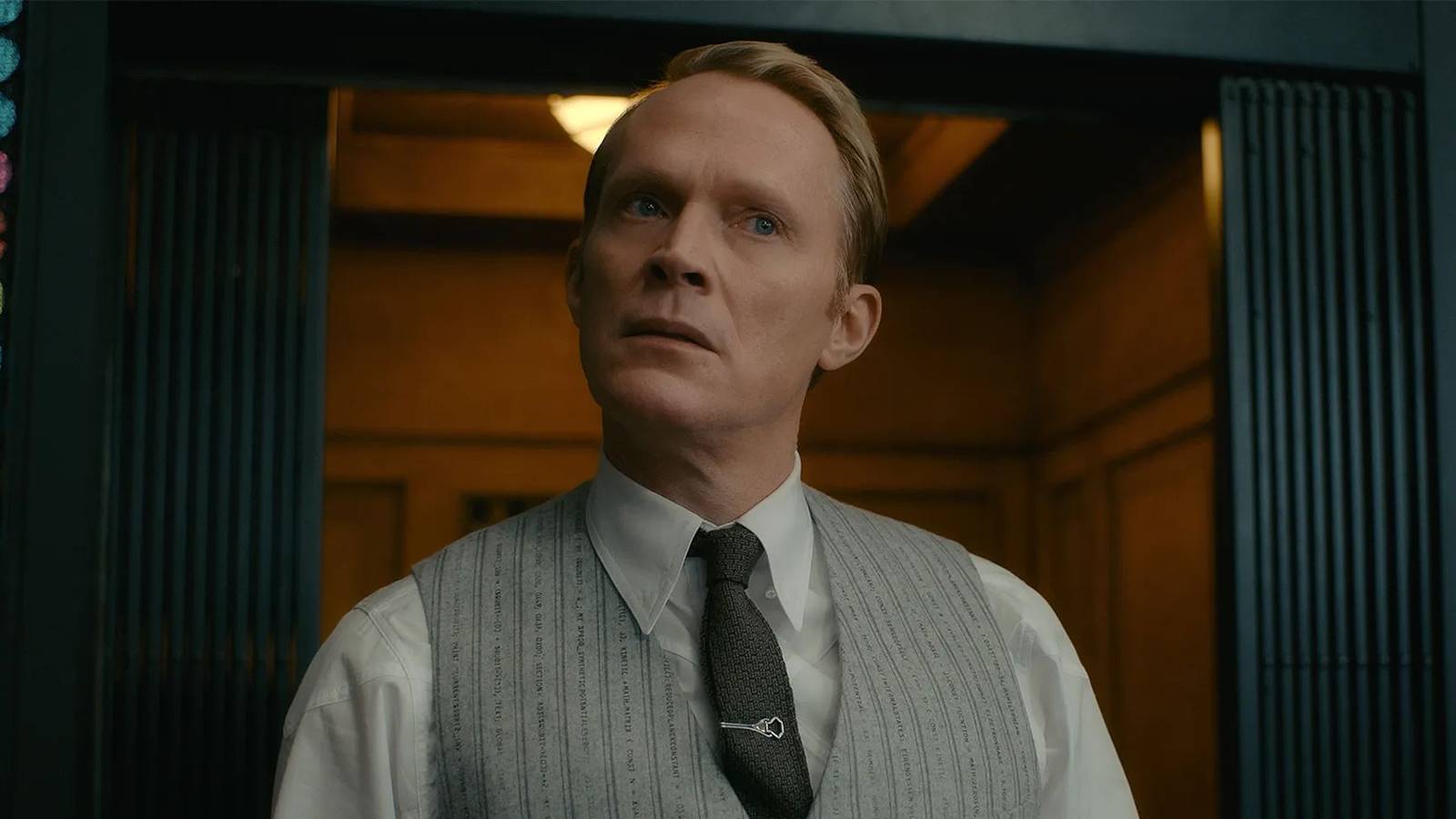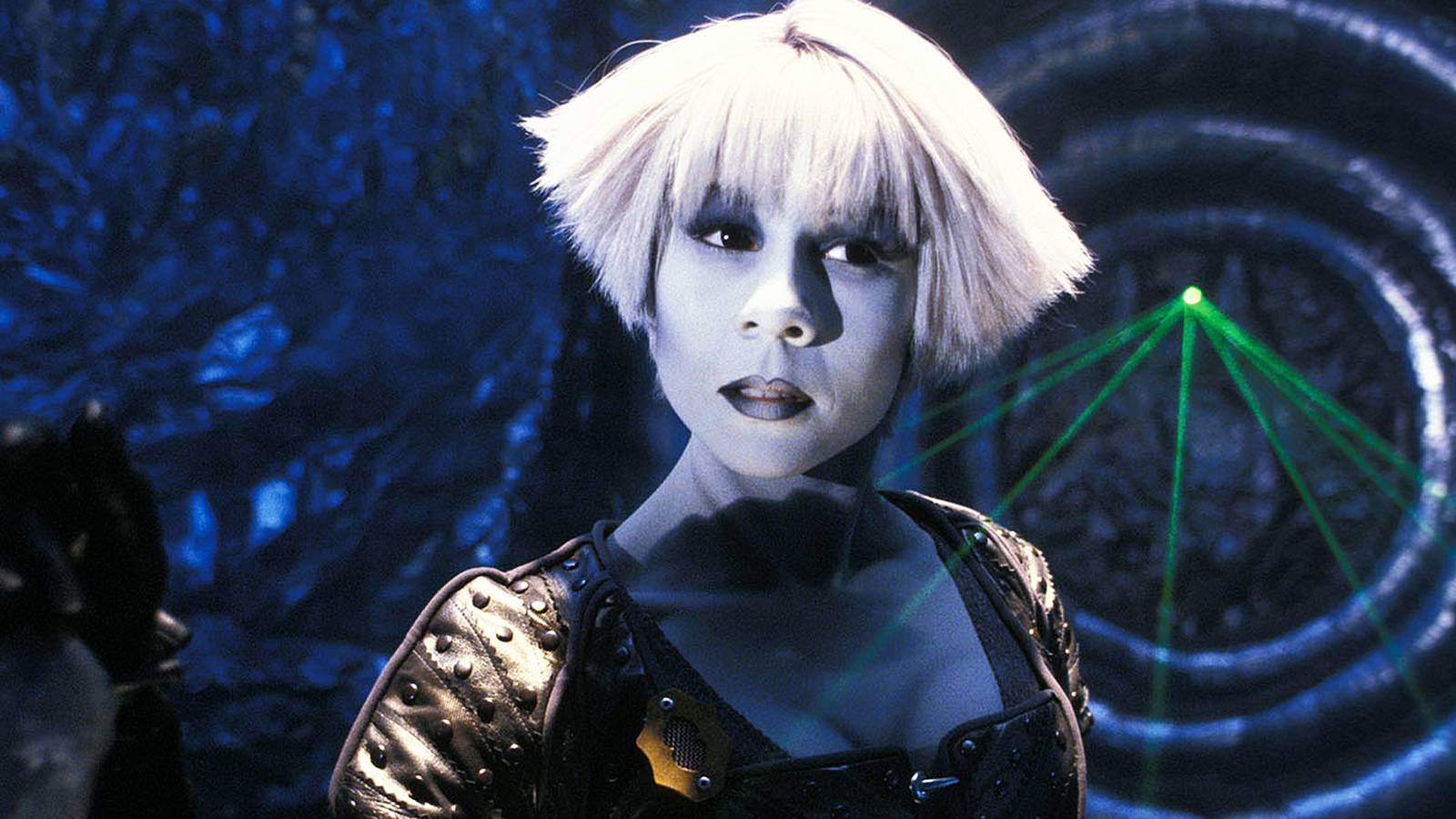
Some sci-fi shows explode into the mainstream and stay there. Others burn briefly, gather a small but devoted audience, and then quietly vanish, left behind by shifting trends, cancellation, or simply bad timing. Yet many of these forgotten series still offer something to enjoy, provided you can get on their wavelength.
With that in mind, this list looks at some of the best cult classic sci-fi shows that have mostly faded into obscurity. While they may not dominate conversations today, they remain fascinating, inventive, and, in some cases, far ahead of their time.
1. 'Now and Again' (1999–2000)
"I'm not who I used to be." The setup of this one is pulpy sci-fi with an absurdist comedy edge (and a surprising amount of heart). After being killed in a subway accident, the brain of average Joe Michael Wiseman (Eric Close) is implanted into a genetically engineered superhuman body by a covert government agency. He is trained in the art of espionage and cut off from his former life... but his wife (Margaret Colin) and daughter (Heather Matarazzo) begin to suspect that he may not be dead.
Michael carries out dangerous missions while secretly longing for the family he can no longer contact. That emotional tension becomes the series' defining trait. Tonally, Now and Again shifts between humor, action, and melancholy, often within the same episode. While definitely pretty silly at times, the show's focus on its characters keeps things grounded.
2. 'VR.5' (1995)
"It's not real… but it feels real." VR.5 was experimenting with virtual reality long before it was mainstream. The main character is Sydney Bloom (Lori Singer), a telecommunications worker who discovers she can enter and manipulate virtual spaces, interacting with people's subconscious minds. She begins using this ability to work for a mysterious organization. The show leans heavily into psychological territory, with the VR technology becoming a way to explore themes like memory, trauma, and perception.
Each episode presents a new scenario, often blurring the line between reality and simulation. While its effects now feel dated, the ideas remain (mostly) compelling. In fact, the series anticipates many of the themes that would later define sci-fi in the 2000s and beyond: identity in digital spaces, the malleability of memory, and the ethics of control. Not for nothing, VR.5 has a small but devoted fanbase.
3. 'Threshold' (2005–2006)
"What if it's already too late?" Threshold builds effectively off a chilling premise: an alien signal has arrived on Earth, and exposure to it begins to alter human behavior at a fundamental level. A government task force is assembled to contain the threat, but understanding it proves far more difficult. Carla Gugino stars as team leader Dr. Molly Caffrey, while Peter Dinklage shows up in a supporting role as volatile genius Arthur Ramsey.
Though not flawless, the show is suspenseful and well-acted, a solid slice of mid-aughts sci-fi entertainment. Gugino's star power, in particular, does a lot of heavy lifting. Unfortunately for fans, Threshold was competing in its time slot with heavy hitters like Law & Order: Special Victims Unit, so ratings dipped, and it was canceled after just one season.
4. 'FlashForward' (2009–2010)
"We saw our future… and it's not what we expected." FlashForward opens with a striking idea: every person on Earth blacks out simultaneously for a few minutes, during which they experience a vision of their own future. When consciousness returns, the world is left to deal with the aftermath. The show follows multiple characters trying to interpret their visions, piecing together what they saw and what it means.
Some futures are hopeful, others catastrophic, and not everyone sees anything at all. The narrative becomes a puzzle, weaving together different timelines and perspectives. Indeed, the writers deserve props for the care and thought they clearly gave to all this. Questions of fate and free will drive the story forward. The strong cast, including the likes of Joseph Fiennes, John Cho, Courtney B. Vance, and Dominic Monaghan, keeps even the most speculative elements feeling plausible.
5. 'Dark Angel' (2000–2002)
"I'm not your experiment." Set in a near-future America weakened by an electromagnetic pulse, this series follows Max Guevara (Jessica Alba in a breakout role), a genetically enhanced soldier who escapes from a secret facility and tries to build a life in the outside world. She's a compelling heroine in the vein of Ellen Ripley and Sarah Connor, and the show spins her story into a satisfying blend of action, dystopian sci-fi, and character drama.
Indeed, Dark Angel draws on an eclectic range of influences, from Blade Runner and Frankenstein to La Femme Nikita. The result is a mythology that feels both familiar and distinctly its own. Although canceled after its second season, Dark Angel very much has a cult following, spawning a video game adaptation and a series of novels that wrapped up the plot.
6. 'Babylon 5' (1994–1998)
"No one here is exactly what he appears." Set aboard a massive space station in the 23rd century, Babylon 5 was a groundbreaking series that told a single, sprawling story over five seasons. It followed the political and personal dramas of humans and aliens trying to maintain peace in a volatile galaxy. The show was known for its complex characters, intricate plotting, and willingness to tackle weighty themes like war, religion, and identity.
Though it never achieved the mainstream success of Star Trek: The Next Generation, Babylon 5 developed a fiercely loyal fanbase. Its influence can be seen in later serialized sci-fi like Battlestar Galactica and The Expanse. For those willing to look past the dated CGI, it remains a rewarding watch.
7. 'Lexx' (1997–2002)
"The universe is a dangerous place." Lexx is perhaps the weirdest show on this list. It follows a ragtag crew aboard a sentient, insect-like spaceship that is also the most powerful weapon in the universe. The series blends dark comedy, surrealism, and explicit content in ways that were unlike anything else on TV at the time. The characters are deeply flawed and often ridiculous, but the show's sheer audacity makes it unforgettable.
While Lexx never found a wide audience, it has become a cult favorite for those who appreciate offbeat, boundary-pushing sci-fi. It's a reminder that the genre can be more than just spaceships and laser guns—it can also be strange, funny, and deeply weird.
These shows may have faded from the public consciousness, but they still offer something unique for fans willing to seek them out. Whether you're in the mood for psychological thrillers, dystopian action, or pure absurdity, these forgotten gems are worth rediscovering. For more on why some shows become cult classics, check out our article on Forgotten Sci-Fi Gems: 3 Shows That Became Cult Classics After Cancellation.