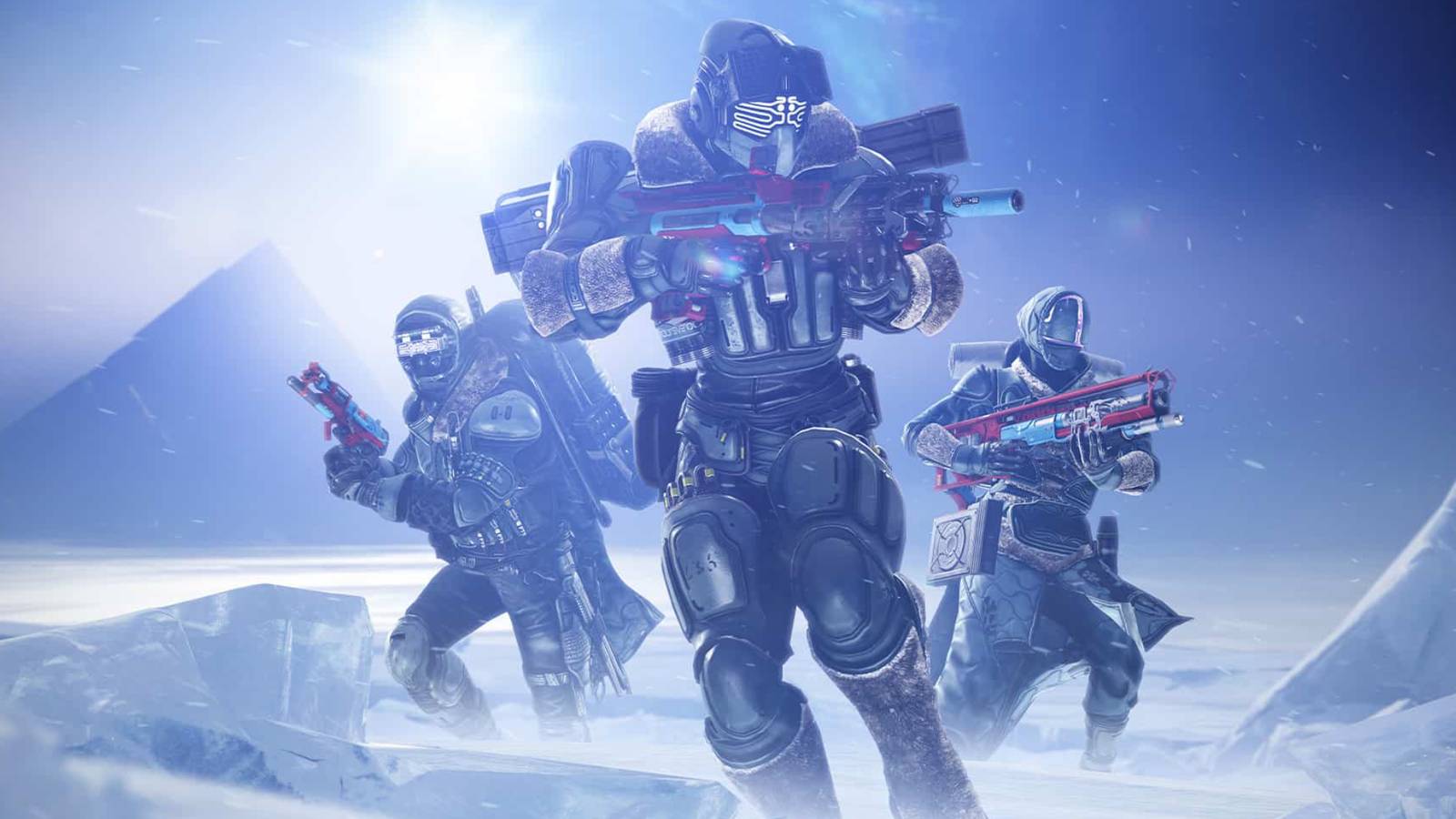
On May 21, 2026, the gaming world received a gut punch: Bungie announced the end of Destiny 2. After nearly 12 years, the studio is pulling the plug on all future content, leaving players—known as Guardians—with one final update: the Monument of Triumph. It’s a bittersweet swan song for a game that has defined a generation of gamers, including this writer, who has logged over 1,700 hours since the 2017 open beta.
As the old Cinderella song goes, you don’t know what you’ve got ’til it’s gone. Returning to Destiny 2 after a long break, the sheer volume of catch-up content was overwhelming—a problem that plagued the game since its live-service shift. But now, with the game frozen in time, it’s ironically more accessible than ever. As IGN’s Jeremy Peel noted, Destiny 2 is finally complete, even if some paywalls remain. The frantic sprint to keep up with friends is over, making it easier to jump back in for the finale.

A Rocky Start
It’s easy to forget the rough patches. Destiny 2 launched in September 2017 on Blizzard’s Battle.net, and quality control was erratic. The power ammo change limited loadout options, stripping away the versatility that made the original Destiny so fun. Running two primary weapons became a joke—but back then, it was mandatory. Combined with weak armor and weapon mods, the game felt like a shadow of its predecessor.
The Curse of Osiris and Warmind expansions were overpriced and underwhelming. The Eververse microtransaction store, paired with season passes, gave the game a sour taste. The post-game was nearly nonexistent, and preset weapon stats killed the looter-shooter thrill. By September 2018, the player base had dropped 75%.
Forsaken Saved the Day
Then came Forsaken. Bungie made it personal by killing off fan-favorite Cayde-6 (voiced by Nathan Fillion, later Nolan North). That emotional hook brought players back for revenge. Forsaken added randomized loot perks, the Gambit mode, and the epic Last Wish raid. It revived a dying game. But it also introduced the annual pass, pushing Destiny 2 further into live-service territory.
The subsequent seasons—Black Armory, Joker’s Wild, and Opulence—showed promise. But Shadowkeep disappointed with a short campaign, and the free-to-play New Light launch angered paying players. Still, the post-game and armor overhauls kept things afloat.
The Content Vault and Beyond Light
Beyond Light (2020) added the Stasis subclass, but it also introduced the Destiny Content Vault (DCV). This vault removed old campaigns, including the base Red War, making it impossible for new players to experience the story. Five raids were deleted, and veterans had to re-grind gear. It was alienating. As PlayStation moves to an all-digital future, Destiny 2’s vaulting felt like a digital betrayal.
Despite these missteps, Destiny 2 remains Bungie’s greatest achievement. The Monument of Triumph update brings closure, and players are returning in droves for one last dance. It’s a fitting end for a game that, like HBO’s best finales, knew how to leave an audience wanting more.
For those who haven’t logged in years, now is the time. The grind is gone, the story is complete, and the community is united in farewell. Destiny 2 may be ending, but its legacy as a genre-defining epic will endure.