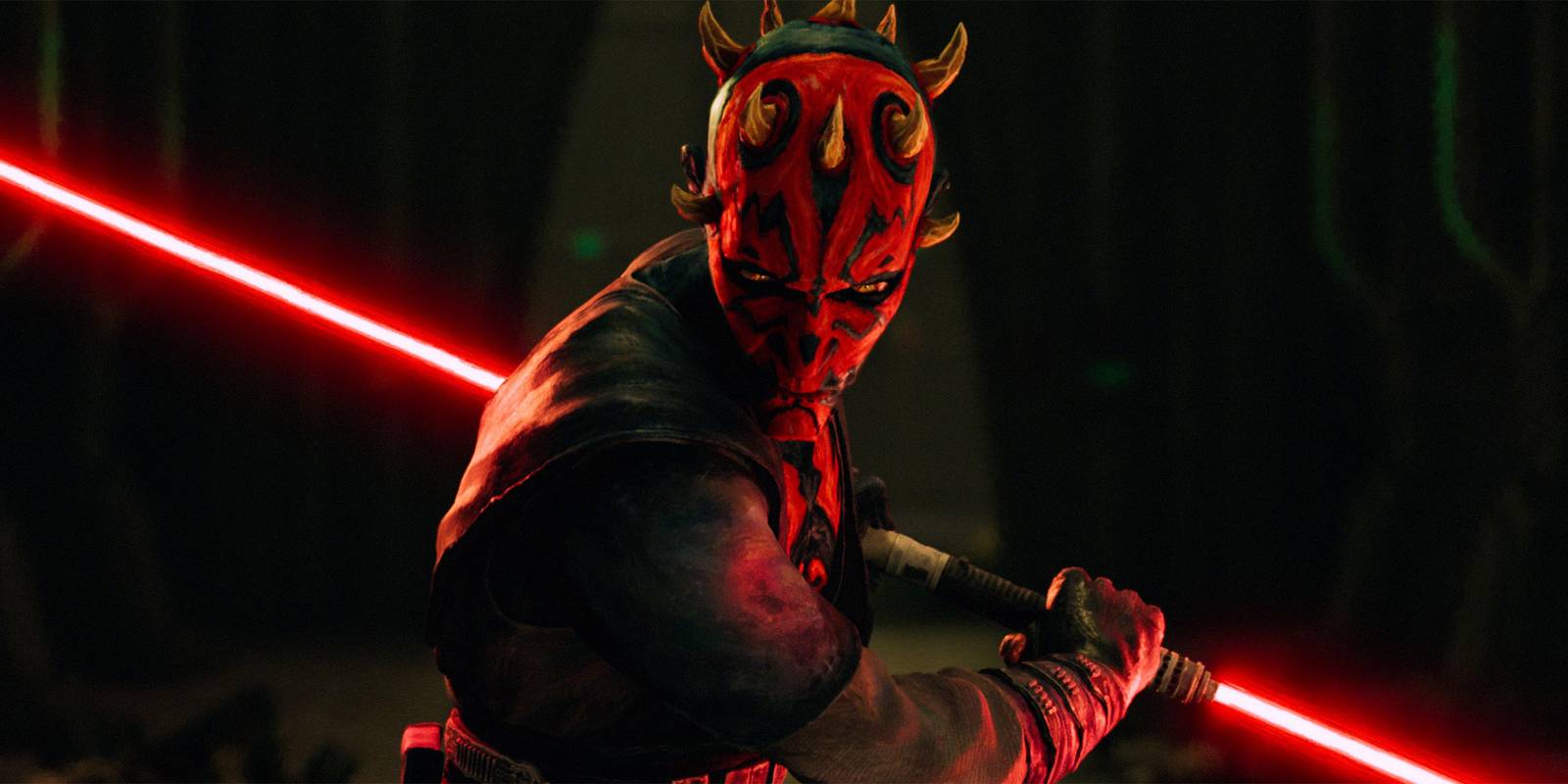
The latest episode of Star Wars: Maul — Shadow Lord has delivered what might be the most audacious storytelling pivot in recent franchise memory. By taking one of cinema's most iconic villains and reframing his path through a heroic lens, the series has executed a narrative masterstroke that challenges fundamental Star Wars mythology.
From Villain to Unlikely Hero
For decades, Darth Maul has been synonymous with pure, terrifying villainy—the horned assassin who cut down Qui-Gon Jinn and became a symbol of the Sith's menace. Shadow Lord doesn't erase that history but instead builds upon it, crafting a complex character arc that mirrors the classic hero's journey in reverse. Where Luke Skywalker once answered a call to adventure, Maul is now navigating a path of brutal, self-interested survival that somehow leads to unexpected purpose.
The series cleverly utilizes the franchise's deep mythological roots, established by George Lucas's love of Joseph Campbell's monomyth, but flips the script. Instead of a farm boy discovering his destiny, we witness a broken weapon of the dark side being forged anew by circumstance and rage. This isn't redemption in the traditional Star Wars sense; it's a recalibration of destiny that makes viewers question everything they thought they knew about the Force's alignment.
A Narrative Twist That Rewrites the Rules
This bold character reinvention represents more than just clever writing—it signals a willingness to explore the gray areas of the Star Wars universe. The show's creators have taken a massive risk by centering a story on a character defined by his brutality, and the payoff is a fascinating study in perspective. What if the hero's journey isn't about light overcoming dark, but about an individual carving their own path outside that binary?
This kind of sophisticated, twist-driven storytelling is becoming a hallmark of premium genre content. Fans of complex narratives might also appreciate our look at films that mastered the art of the plot twist, or the shocking developments in Daredevil: Born Again. It's a trend that suggests audiences are hungry for stories that subvert expectations.
The execution is particularly impressive given Maul's established legacy. The character's resurrection in The Clone Wars animated series hinted at deeper layers, but Shadow Lord fully commits to exploring the psyche of a being consumed by hatred yet driven by something resembling honor. This nuanced portrayal adds tremendous depth to the prequel era, enriching the galactic conflict with moral complexity.
What This Means for Star Wars Storytelling
This successful subversion could pave the way for more daring narratives within the franchise. Just as Predator: Badlands reinvigorated its series with fresh ideas, Maul — Shadow Lord proves that even the most familiar characters can yield surprising new stories. It demonstrates that the Star Wars galaxy is vast enough to contain multitudes—stories that aren't just about Jedi versus Sith, but about the individuals caught in between.
The series, available exclusively on Disney+, continues to push boundaries, suggesting that the streaming platform's strategy involves both honoring legacy and forging new paths. As other franchises like Star Trek also signal bold new directions, it's clear that audience appetite for reinvented classics is stronger than ever.
Ultimately, Star Wars: Maul — Shadow Lord has achieved something remarkable: it has made us root for the monster. By masterfully inverting the hero's journey, it hasn't just given Darth Maul a new story—it has given us a new way to see the entire Star Wars saga. The force, it seems, works in far more mysterious ways than we ever imagined.