If you crave stories that pull the rug out from under you, look no further than horror cinema. The genre has perfected the art of the shocking reveal, turning familiar tropes into vehicles for some of the most jaw-dropping narrative surprises ever filmed. Just when you think you know where the terror is coming from, these movies prove you don't know anything at all.
Martyrs (2008)
This French extreme horror film begins as a brutal tale of revenge before descending into something far more disturbing. Two women, scarred by childhood trauma, hunt down those who hurt them, only to find themselves captured again. The film's harrowing final act delivers a twist that recontextualizes every moment of suffering, revealing a chilling philosophical experiment at its core. It's a relentless experience that leaves audiences stunned and speechless.
Orphan (2009)
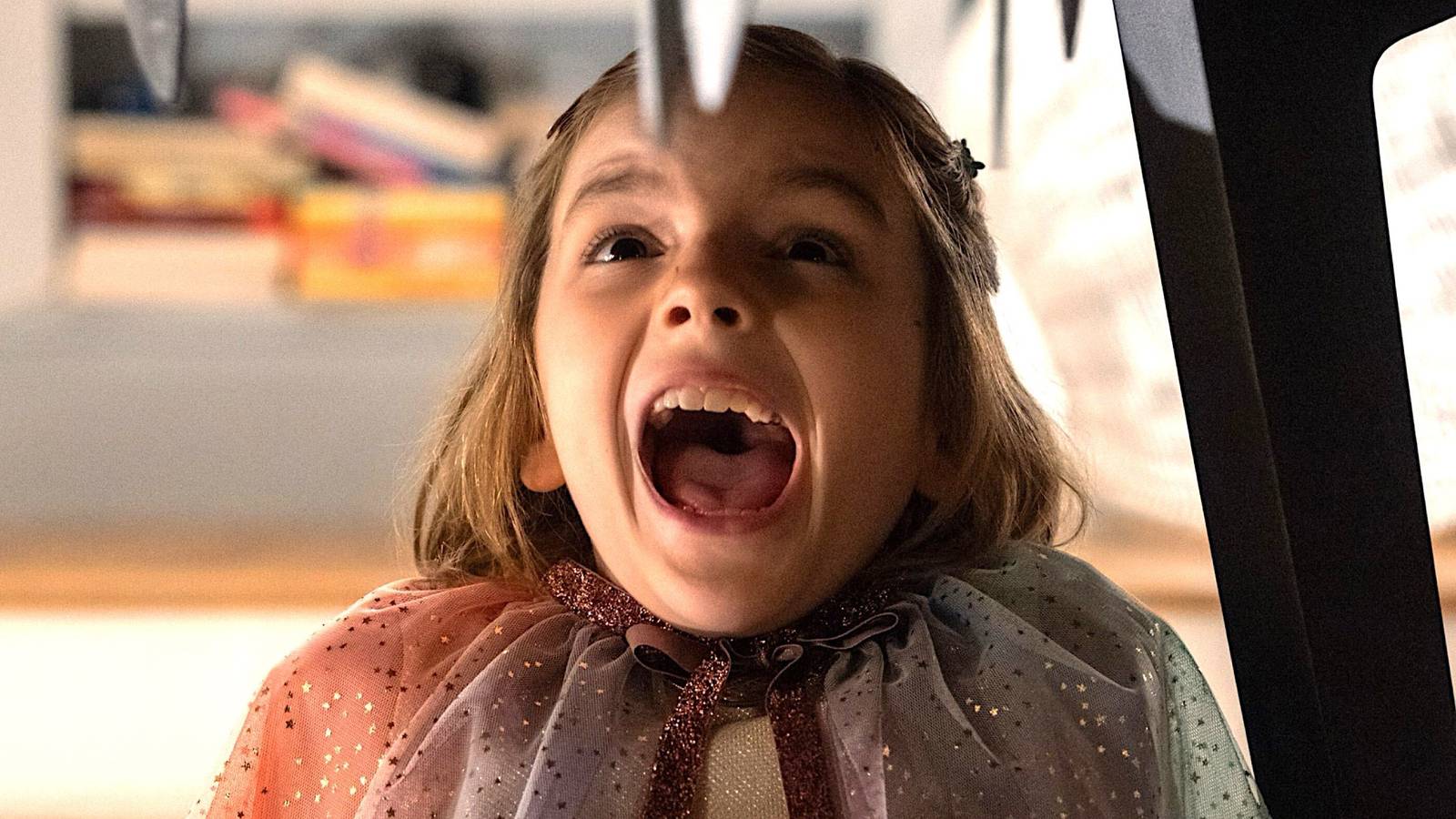
A couple mourning a loss adopts a charming, artistic young girl named Esther. Her increasingly violent behavior soon suggests something is deeply wrong. The film's now-iconic twist—that Esther is actually a disturbed adult woman with a rare condition that gives her a childlike appearance—elevates a standard thriller premise into something memorably sinister. It's a reveal that continues to shock new viewers over a decade later.
The Cabin in the Woods (2011)
This meta-horror masterpiece from Drew Goddard and Joss Whedon starts as a playful riff on slasher clichés. A group of friends heads to a remote cabin, only to be picked off by monstrous forces. But the film's genius lies in its layered reveals, uncovering a vast, bureaucratic operation manipulating the horror from behind the scenes. The final twist, involving ancient gods and global stakes, is both wildly inventive and a brilliant critique of the genre itself. For more films that cleverly subvert expectations, check out our list of under-the-radar masterpieces.
Frailty (2001)
Bill Paxton directs and stars in this chilling psychological thriller about a father who believes God has commanded him to destroy demons hiding in human form. Told through the conflicting memories of his two sons, the film masterfully builds doubt about what is real and who is telling the truth. The final revelations completely flip the narrative, forcing you to reconsider every character's motive and morality in a single, devastating moment.
Sleepaway Camp (1983)
On the surface, this summer camp slasher seems like a straightforward '80s horror flick. A shy teenager, Angela, witnesses gruesome murders at camp while dealing with bullies. The film's infamous final shot delivers one of the most shocking and debated twists in horror history, a reveal so unsettling it transcends the film's B-movie roots and has cemented its cult status for decades.
Audition (1999)
Japanese director Takashi Miike crafts a slow-burn psychological drama about a widower who holds fake auditions to find a new wife. He becomes enchanted by a soft-spoken former ballerina. The film's tranquil first hour makes its descent into surreal, graphic horror all the more terrifying. The twist isn't a single moment, but a gradual, horrifying realization that the gentle woman is something else entirely, leading to a climax that has become legendary for its brutality.
High Tension (2003)
This French slasher follows two college friends attacked by a brutal, sadistic killer at a remote farmhouse. Told from the perspective of Marie, who evades the killer and tries to save her friend, the film is a relentless chase. Its controversial third-act twist radically reinterprets the entire narrative, dividing audiences but undeniably delivering a shocking payoff that challenges the viewer's perception of the story they just witnessed.
The Others (2001)
Nicole Kidman stars as a mother protecting her two photosensitive children in a secluded Victorian mansion shortly after WWII. As strange phenomena plague the house, she becomes convinced it is haunted. Alejandro Amenábar's gothic ghost story builds an atmosphere of dread so thick you can feel it, all leading to a beautifully tragic and elegant twist that inverts the classic haunted house tale and redefines who the "others" really are.
Saw (2004)
The film that launched a franchise begins with two men chained in a filthy bathroom, with a dead body between them. Forced to play a deadly game by the mysterious Jigsaw, the story unfolds through frantic flashbacks. The film's final minutes deliver a stunning double-whammy: the "dead" body in the room isn't dead at all, and one of the captives is far more involved than he let on. It's a twist that redefined low-budget horror and created an icon. For more on horror's most impactful moments, see our ranking of the genre's most flawless opening scenes.
Psycho (1960)
Alfred Hitchcock's masterpiece remains the blueprint for the horror twist. The film famously kills off its apparent protagonist, Marion Crane, halfway through, shifting focus to Norman Bates, the nervous motel manager. The revelation about "Mother" in the fruit cellar is one of the most iconic in film history, a psychological bombshell that explains Norman's disturbing behavior and forever changed how audiences approach villains. It's a twist that has lost none of its power.
These films prove that the best horror does more than just startle you with a jump scare. It gets inside your head, makes you question what you're seeing, and then shatters your understanding of the story entirely. The thrill of a great twist is the reason we keep coming back, waiting for that next shocking moment that will leave us rethinking everything. For another story about horror that plays with perception, read about the new institutional terror in The Devil in Silver.