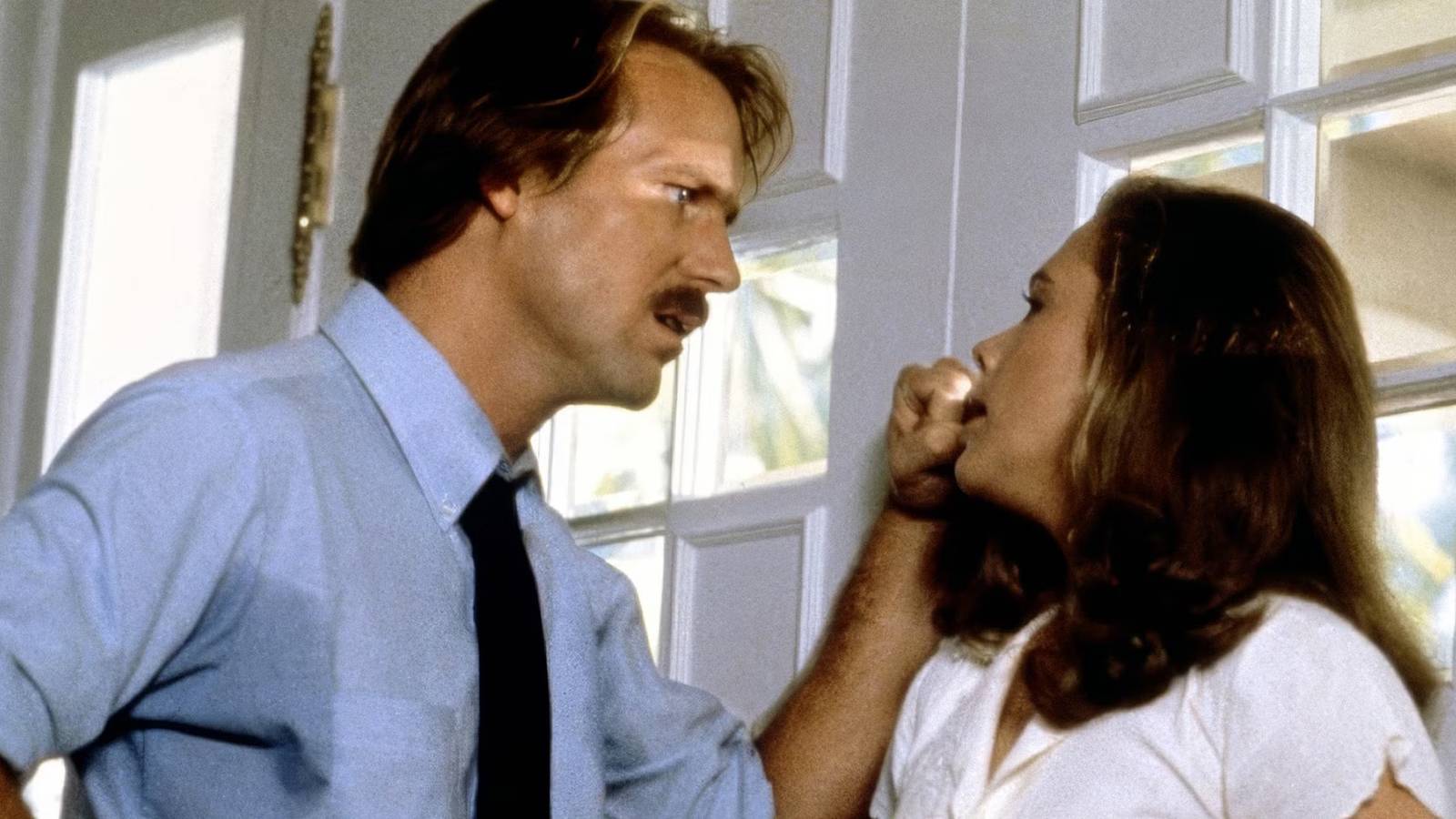
While blockbuster horror often grabs the headlines, some of the genre's most brilliant works operate in the shadows. These are the films that may have missed the spotlight upon release but have since cemented their status as chilling, creative, and utterly unforgettable experiences. They prove that true mastery of fear isn't always measured in box office receipts, but in lingering dread and innovative storytelling.
The Mothman Prophecies (2002)
Blending psychological unease with a detective's persistence, this film draws viewers into a haunting mystery rooted in unsettling real-world folklore. Richard Gere portrays a grieving journalist pulled into the eerie happenings of Point Pleasant, West Virginia, where sightings of a winged entity foretell catastrophe. Its power lies in a slow-burn atmosphere and a pervasive sense of impending doom, making it a thinking person's thriller that prioritizes mood over mayhem.
Messiah of Evil (1974)
This surreal cult classic feels like a fever dream captured on film. It follows a woman's search for her missing father in a coastal town secretly overrun by a sinister force. Eschewing conventional scares, it builds a uniquely disorienting and visually striking nightmare. Its trippy, atmospheric approach was ahead of its time, securing its place as a hidden jewel of 1970s horror.
Dead & Buried (1981)
Before the zombie genre became oversaturated, this film offered a clever and gruesome twist. Set in a deceptively quiet town where visitors meet grim fates, a local sheriff uncovers a mortician's ghastly secret. With a standout cast including horror icon Robert Englund, it mixes small-town mystery with gruesome body horror. Despite its ingenuity, it was lost in the shuffle of the slasher boom, waiting to be rediscovered.
Pontypool (2008)
This Canadian indie reinvents outbreak horror with a brilliantly simple premise: a virus spread through language. Confined mostly to a radio station, a host reports on escalating chaos as infected individuals turn violent. The claustrophobic setting and focus on auditory terror create a uniquely tense experience. It's a prime example of how constraint and creativity can produce scares more potent than any big-budget spectacle. For fans of inventive horror, this is a masterclass in fear built on suspense.
The Changeling (1980)
Starring George C. Scott in a powerful performance, this ghost story is a benchmark for supernatural terror. A composer mourning a personal tragedy moves into a historic mansion, only to confront a malevolent presence tied to a dark secret. It relies on old-fashioned craftsmanship—creaking floors, distant echoes, and a palpable sense of grief—to deliver profound scares that have aged magnificently.
Carnival of Souls (1962)
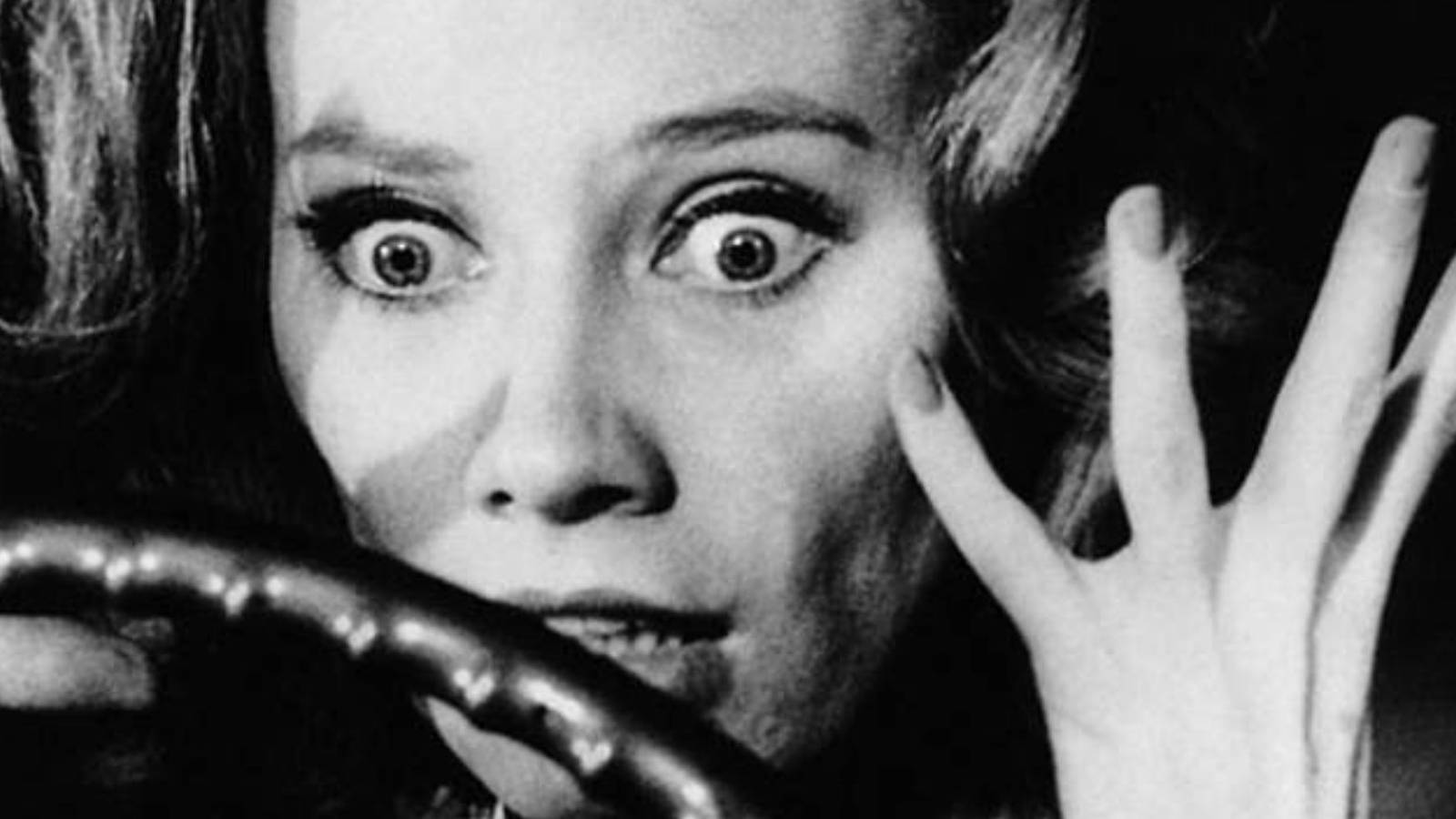
This low-budget landmark feels like a feature-length episode of The Twilight Zone. After a traumatic accident, a woman moves to a new town but is relentlessly pursued by a ghostly figure. Its stark black-and-white cinematography, eerie organ score, and dreamlike logic create an enduringly creepy vibe that has influenced generations of filmmakers.
The Night of the Hunter (1955)
While often categorized as a thriller, Robert Mitchum's portrayal of a murderous preacher hunting two children for hidden money is pure horror. Its expressionistic visuals and fairy-tale darkness were misunderstood in its era but are now celebrated as groundbreaking. It stands as a cinematic masterpiece that transcends genre.
Session 9 (2001)
Set in an abandoned asylum, this psychological chiller follows a cleaning crew whose sanity unravels as they uncover audio tapes from a former patient. The real terror stems from the building's oppressive atmosphere and the slow fragmentation of the characters' minds. It's a testament to how suggestion and location can be far more frightening than any visible monster.
These films remind us that horror's greatest treasures aren't always the loudest. They are the quiet whispers in the dark, the unsettling images that won't fade, and the stories that prove sometimes the most potent scares are the ones we have to seek out. Their legacy is a powerful argument for looking beyond the marquee to find the genre's true, chilling heart.