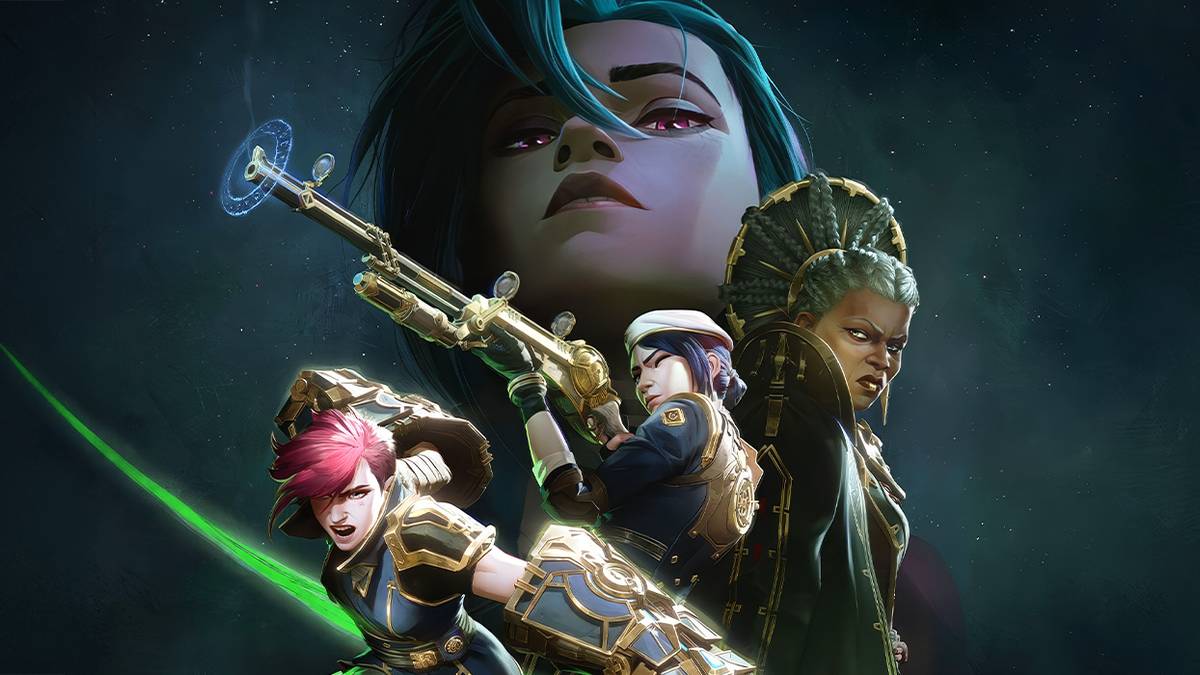
Forget everything you think you know about video game adaptations. Long before Arcane brought prestige animation to League of Legends, Netflix was quietly perfecting the formula with a show that drips with gothic atmosphere and emotional depth. Castlevania, the streaming service's four-season fantasy series, didn't just adapt a beloved game franchise—it elevated it into a brutal, smart, and surprisingly heartfelt animated epic that continues to set the bar.
More Than Monster Slaying: A Story of Trauma and Legacy
The premise is deceptively simple: Dracula declares war on humanity after the Church burns his human wife, Lisa, at the stake. What follows is far from a simple good-versus-evil tale. The series follows Trevor Belmont, the last survivor of a disgraced clan of monster hunters; Sypha Belnades, a powerful Speaker magician; and Alucard, the tormented son of Dracula himself. Their alliance is born of necessity, but their journey becomes a profound exploration of trauma, inherited guilt, and the messy, complicated work of saving a world that often seems hell-bent on its own destruction.
Over its four-season run, Castlevania masterfully develops its core trio. We witness Alucard's painful isolation and struggle with his dual nature, Trevor's evolution from a cynical drunk to a weary leader, and Sypha's unwavering moral compass in a world gone mad. Even the villains, like the forge master Isaac and the conflicted Hector, are granted complex motivations and tragic arcs, making the conflict feel richly layered.
Weaving Game Chaos Into Cohesive Television
Adapting Castlevania's sprawling, sometimes contradictory game lore was no small feat. The show, loosely based on Castlevania III: Dracula's Curse, brilliantly synthesizes elements from across the franchise into a single, compelling narrative. It captures the games' signature weirdness—from philosophical debates between heroes to giant talking bats crashing the party—while grounding it in a coherent world that feels lived-in and real.
The show is a love letter to fans, packed with visual and thematic callbacks. Alucard's shifting castle feels like a character itself, and the epic boss-style battles are animated with a fluidity that makes them feel ripped straight from Symphony of the Night. Yet, it never feels like a clip show; every monster, magical duel, and political betrayal serves the larger story.
The Heart of the Horror: Dracula's Emotional Wreckage
Where Castlevania truly excels is in its humanization of the ultimate video game boss. This Dracula isn't a one-dimensional force of evil; he's a grieving widower whose rage masks a bottomless sorrow. A pivotal moment in Season 2 sees him standing exhausted in his castle, the fight drained from him, making his final confrontation with his son, Alucard, not a battle for victory, but a plea for release.
This emotional core is what separates Castlevania from lesser adaptations. It delivers all the gory, gravity-defying action fans crave, but it amps up the feeling. The final duel between father and son is a masterpiece of tragic storytelling, transforming a classic boss fight into a moment of devastating mercy. It's a poignant reminder that the best adaptations honor the spirit of their source material by finding the deeper story within.
With a stellar 94% critics score on Rotten Tomatoes, Castlevania proved that video game stories could resonate on a profound level. It built a world of political intrigue, vampire court betrayals, and philosophical depth, all while never forgetting its pulpy, monster-slaying roots. For those seeking binge-worthy brilliance, this series delivers perfection from its bloody first episode to its poignant finale.
As streaming continues to mine gaming's rich history for content, from hits like surprise binge hits to major franchises, Castlevania remains the benchmark. It's a masterclass in adaptation—a show with blood on its boots and a giant, broken heart at its center, waiting for a new generation of viewers to answer its call.