The holiday season is a mixed bag. For some, it's all about cozy gatherings, twinkling lights, and the warm glow of togetherness. For others, it's a relentless marathon of awkward family dinners, commercial overload, and the nagging feeling that you're not celebrating "right." If you fall into the latter camp, you're in good company—and no one has articulated that sentiment better than Calvin and Hobbes creator Bill Watterson.
In a 1993 strip, Watterson delivered what might be the ultimate anti-Christmas message. The comic opens with Calvin overjoyed to receive a letter from Santa Claus. But instead of the usual warnings about being good, Santa delivers a twist: he's abolishing the naughty/nice list entirely. "You're free to be as naughty as you like," the letter reads, much to Calvin's delight. The boy's imagination runs wild with visions of mischief, but then—bam—he wakes up. It was all a dream. Calvin's lament is pure gold: "I hate being good (or trying to fake it)/Six days until Christmas! I don't think I'll make it."

That strip nails a very real, often unspoken pressure that the holidays place on kids (and adults, too). The whole "Santa knows if you've been bad or good" routine is meant to keep children in line, but it also instills a sense of constant surveillance and judgment. In an age where we're already watched by algorithms and security cameras, the idea of a omniscient gift-giver can feel less like a fairy tale and more like a dystopian nightmare. Watterson's comic flips that script, offering a fantasy where being naughty is not only allowed but encouraged—a cathartic release for anyone who's ever felt the weight of holiday expectations.
Calvin is the perfect vehicle for this message. His boundless imagination and mischievous streak are central to the strip's charm, but they also put him at odds with the "be good" mandate. For a kid who genuinely loves Christmas, the struggle to restrain his impulses is real. So the idea of Santa rewarding naughtiness would indeed feel like a miracle. Watterson's genius lies in taking that childish wish and turning it into a commentary on the absurdity of the holiday's moral policing.
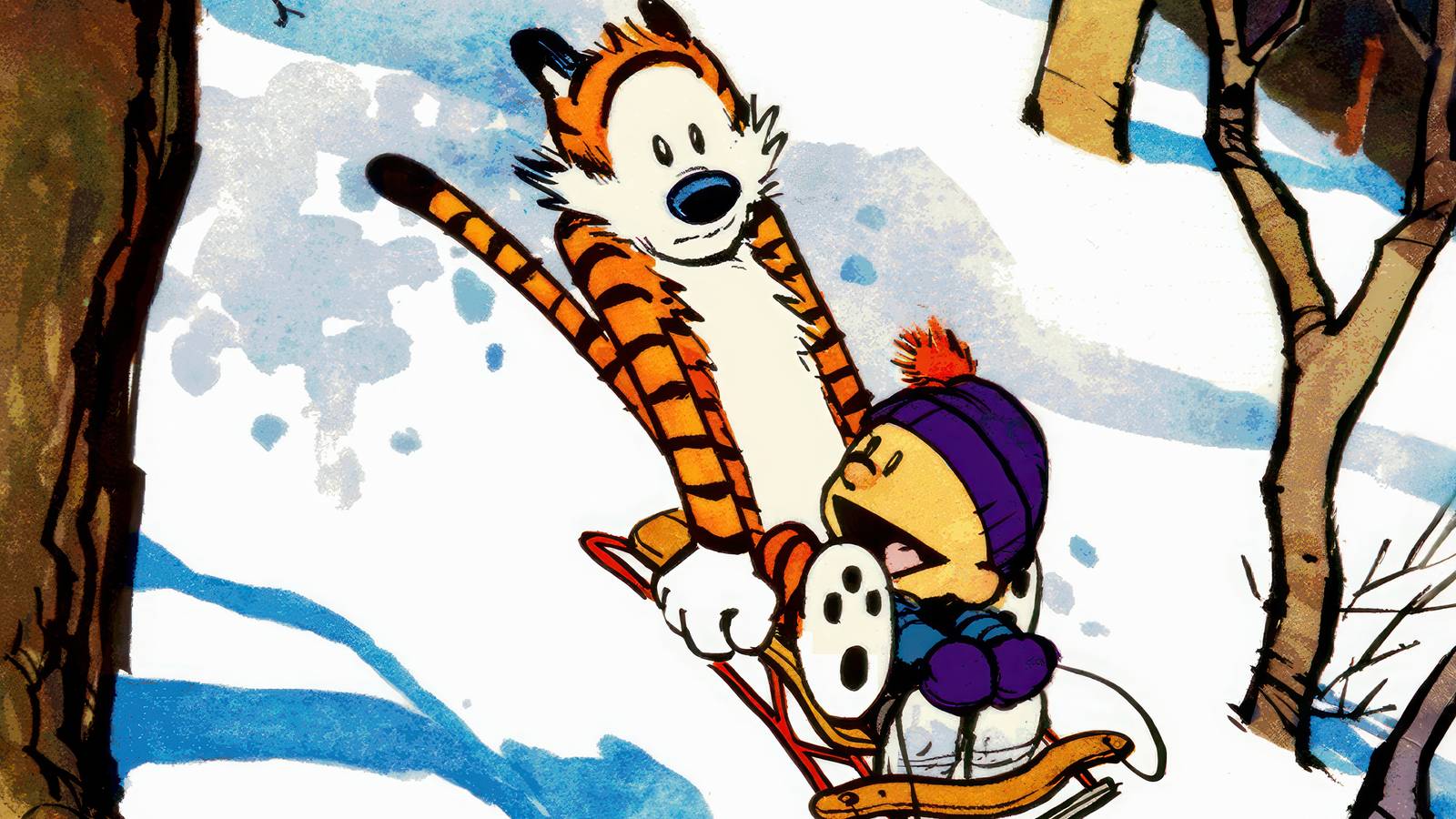
This isn't the only time Watterson used winter settings to brilliant effect. Over the strip's decade-long run, some of its most memorable moments happen in the snow—whether it's Calvin's grotesque snowman creations, his early-morning Christmas chaos, or quiet philosophical talks with Hobbes. Watterson also used the strip to critique commercialism, as when Calvin's dad dismisses a TV special as nothing but ads for "cola, fast food, and beer." That same anti-commercial spirit is why Watterson famously refused to license Calvin and Hobbes merchandise, a stance he discussed in the documentary Dear Mr. Watterson.
For those who dread the holidays, this strip is a balm. It acknowledges that the season can be stressful, that the pressure to be cheerful and well-behaved is exhausting, and that sometimes you just want to scream "bah humbug" at the top of your lungs. Watterson's humor is timeless, and this particular comic remains a favorite for its perfect blend of wit and relatability.
If you're looking for more holiday content that embraces the chaos, check out hidden holiday gems that might surprise you. Or, if you're in the mood for a binge, Noah Centineo's spy thriller is a great escape from the holiday madness. And for those who prefer their TV with a side of existential dread, The Sinner is a worthy replacement for Mindhunter.
So this holiday season, when the pressure mounts and you feel like you're one candy cane away from a meltdown, remember Calvin's dream. Sometimes the best gift is the freedom to be a little naughty—or at least to laugh at the absurdity of it all.