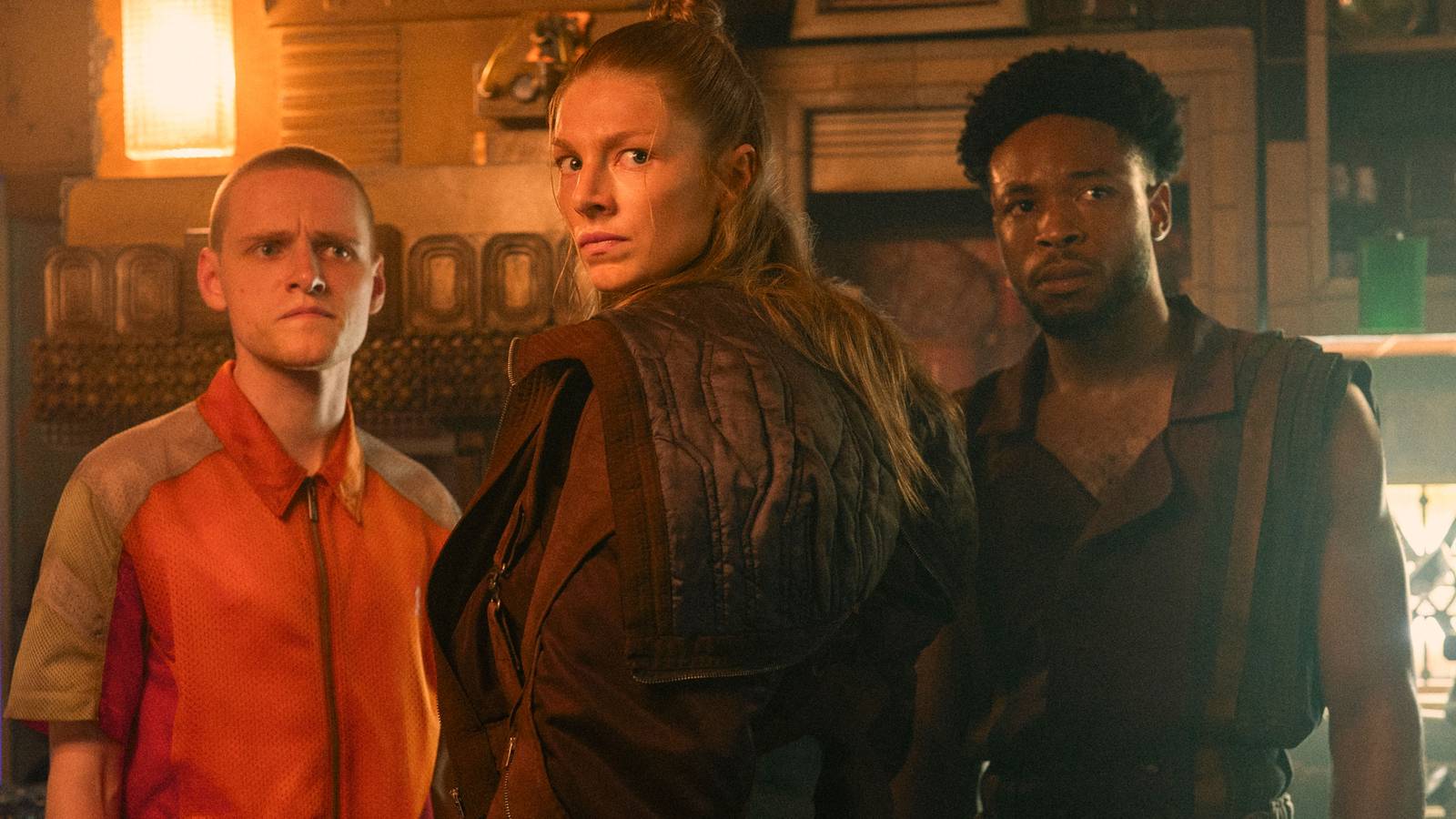
After years of anticipation, Blade Runner 2099 is finally ready to debut on Prime Video, taking viewers half a century beyond the events of Blade Runner 2049. The new series flips the original premise: replicants now run Los Angeles, and humans are the marginalized underclass. At the center is Cora (Hunter Schafer), a human passing as a replicant Blade Runner, partnered with Olwen (Michelle Yeoh), whose life cycle is nearing its end. As they investigate a deepening mystery, Cora's secret becomes harder to hide, and the boundary between human and replicant grows increasingly porous.
In a recent interview with Collider, executive producers Andrew Kosove and Broderick Johnson—co-founders of Alcon Entertainment—shared insights into bringing this iconic franchise to the small screen. They discussed the challenges of adapting the property for a serialized format, the importance of practical sets, and the collaborative process with legendary director Ridley Scott and showrunner Silka Luisa.

A 'Pre-IBM' Universe: The Show's Analog Aesthetic
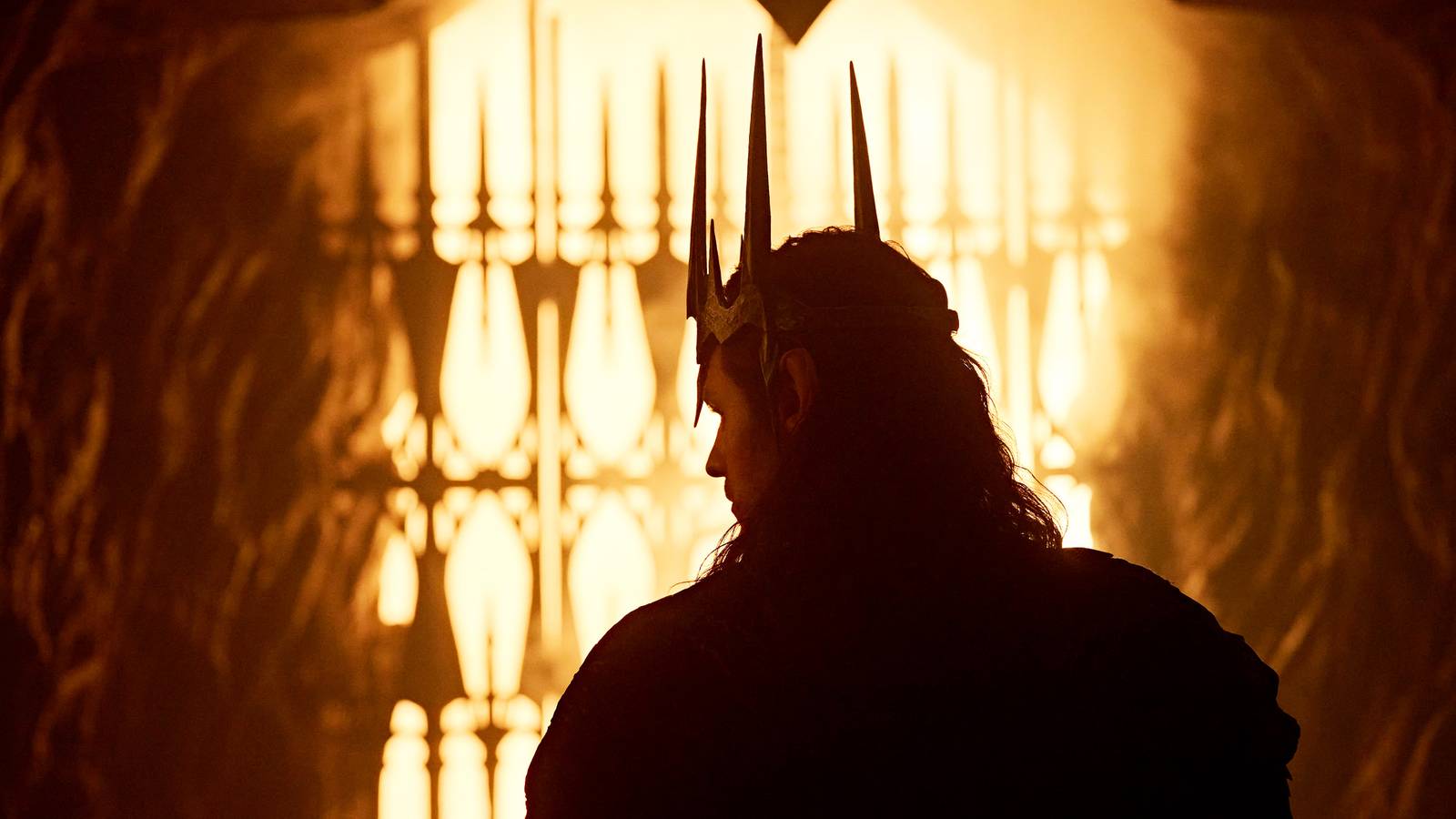
One of the most striking aspects of Blade Runner 2099 is its visual style. Kosove explained that while the show honors the noir roots of the original films, it introduces a fresh twist: "sunshine noir." The world remains tactile and analog, deliberately avoiding the sleek, digital look of modern sci-fi. "This is not an Apple universe; this is a pre-IBM universe," Kosove said, emphasizing that the series stays true to the gritty, physical feel of the movies.
Production designer Paul Inglis, who served as supervising art director on Blade Runner 2049 and won an Oscar for his work, brought deep knowledge of the franchise's history. His collaboration with Luisa ensured the show balanced homage with innovation, creating a Los Angeles that feels both familiar and evolved.
Practical Sets Over Green Screens
Johnson highlighted the production's commitment to practical sets and real locations. "A lot of it is practical," he said, noting that while visual effects enhance the massive world, everything is grounded in something real. The team built extensive stage sets and shot in locations across Prague, Barcelona, and Germany, allowing actors to immerse themselves fully. Kosove added that the show uses almost no green screen or virtual sets, a choice that required more time and budget but was essential to achieving the desired look. "We have to do the real thing for you; otherwise it doesn't work," he said.
The Story Drives the Design
When asked about the biggest challenge in creating the world of 2099, Kosove pointed to the core narrative: replicants have taken over and begun rehabilitating the planet, particularly Los Angeles. This story idea informed every design decision, from the towering structures that filter polluted air to the sunlight breaking through the clouds. "A lot of the decisions come from that," he explained, crediting Luisa's vision for the show's unique setting.
Ridley Scott's Hands-On Role
Johnson also revealed Ridley Scott's involvement, describing him as "very respectful of the artists who are on the front lines." Scott, who directed the original Blade Runner, has been a guiding presence, offering input while allowing the creative team to execute their vision. This balance of mentorship and freedom has been crucial in expanding the franchise without losing its essence.
With its blend of noir aesthetics, practical effects, and a compelling story, Blade Runner 2099 promises to be a worthy addition to the sci-fi saga. For fans of the franchise, it's a must-watch, and for newcomers, it's an entry point into a richly imagined future. As the series prepares to launch, the producers' insights offer a tantalizing glimpse into the world they've built.
If you're looking for more Prime Video recommendations, check out our binge guide for Thanksgiving week, or see how Ridley Scott's Robin Hood found new life on the platform. And for more on the franchise's legacy, explore Nolan's Odyssey climbing the charts.