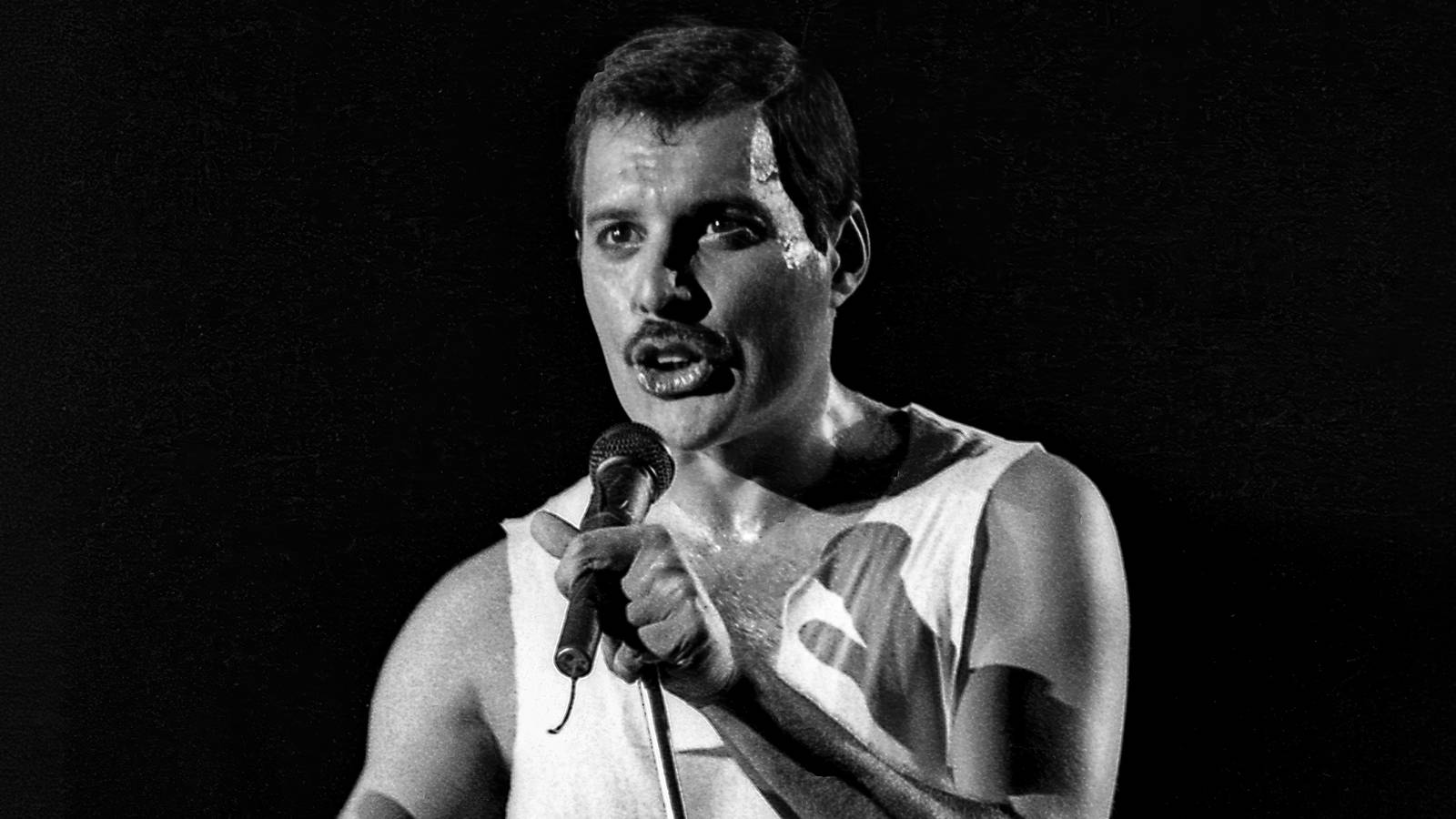
Queen is undeniably one of rock's most celebrated acts. With 54 million monthly Spotify listeners, eight songs surpassing a billion streams, and a shelf full of Grammys and Hall of Fame honors, their legacy seems bulletproof. Yet for all that acclaim, a curious gap persists: most casual fans know the singles but rarely explore the albums. While contemporaries like The Beatles or The Rolling Stones have their deep cuts celebrated, Queen's full-length works often play second fiddle to their greatest-hits compilations. That's a shame, because beneath 'Bohemian Rhapsody' lies a universe of hidden gems that deserve just as much spotlight.
Queen's Early Era: A Nearly Flawless Run
From 1973 to 1980, Queen released eight studio albums that form one of the most consistent runs in rock history. Their debut, Queen I, already showcased the band's signature versatility—bouncy tracks like 'Doing Alright' and 'Keep Yourself Alive' sit alongside grittier numbers like 'Son and Daughter' and 'Great King Rat.' The harmonies, Brian May's unmistakable guitar, and the clever song structures were all there from the start. That diversity only sharpened on Queen II and Sheer Heart Attack, where heavier cuts like 'Ogre Battle' and 'Flick of the Wrist' flirt with metal, while 'March of the Black Queen' and 'Father to Son' pushed their progressive side toward the masterpiece that would become 'Bohemian Rhapsody.'

Of course, A Night at the Opera remains the crown jewel—the album that gave us 'Bohemian Rhapsody' and fueled the 2018 biopic. But beyond that epic, the record is packed with standouts: the snarling 'Death on Two Legs,' the playful 'Lazing on a Sunday Afternoon,' and the eight-minute prog odyssey 'The Prophet's Song.' It's a testament to Queen at their peak, yet even this iconic LP often gets reduced to its hit single.
Post-Opera Gems and Later Surprises
Queen didn't slow down after Opera. A Day at the Races and News of the World followed, the latter famous for its one-two punch of 'We Will Rock You' and 'We Are the Champions.' But dig deeper: 'Sheer Heart Attack,' 'Get Down, Make Love,' and the poignant ballad 'All Dead, All Dead' are as tight as anything in their catalog. Even as the band experimented in the early '80s—with the disco-tinged Hot Space often cited as a misstep—there's ambition worth appreciating. Tracks like 'Dragon Attack' and 'Don't Try Suicide' from The Game show they could still deliver rock-solid deep cuts.
Queen's final full album with Freddie Mercury, Innuendo (1991), stands as a triumphant farewell. The title track and 'I'm Going Slightly Mad' showcase the band's progressive spirit and Mercury's raw emotional power, while 'The Show Must Go On' remains one of rock's most defiant anthems. Instrumental pieces like 'Bijou' let Brian May shine, and the entire album carries a bombast that makes it one of Queen's best projects—a complete, heartfelt send-off.
Why Albums Matter More Than Ever
Queen's legacy is rightfully built on their radio dominance and Freddie Mercury's tragic, heroic story. But reducing them to a handful of hits misses the full picture. Their albums reveal a band that was weird, diverse, and endlessly inventive—qualities that shine in deep cuts like 'The Prophet's Song' or 'March of the Black Queen.' For fans who only know the greatest hits, exploring the full discography is like discovering a new band. And with Queen + Adam Lambert tours often leaning on the big singles, it's the perfect time to revisit the albums that made those hits possible.
If you're looking for more underrated gems, check out our list of 8 Untouchable Classics That Should Never Get a Remake or dive into Forgotten Netflix Thrillers That Deserve a Second Look. And for a deeper appreciation of Queen's comic-book connections, see Spider-Man's Comic Mutation.