When HBO pulled the plug on Westworld after its fourth season, devoted fans of the ambitious sci-fi drama were understandably furious. Showrunners Jonathan Nolan and Lisa Joy had mapped out a fifth and final season, and the Season 4 finale left viewers hanging on a massive cliffhanger involving a war between humans and hosts. From a business perspective, though, the cancellation made sense: production costs were sky-high, and viewership had been steadily declining since the show's debut in 2016. And honestly, it's not hard to see why audiences drifted away.
It's always a shame when a series gets axed before its creators can deliver a planned conclusion. But in Westworld's case, the show had already reached its natural stopping point long before the cancellation news broke. In fact, the series should have wrapped up after its very first season. What began as a perfect piece of television gradually devolved into a confusing mess that lost touch with everything that made it special. Nolan and Joy may have envisioned a five-act epic, but the reality is that Westworld was always meant to be a short story.
Season 1 of 'Westworld' Is a Perfect Miniseries
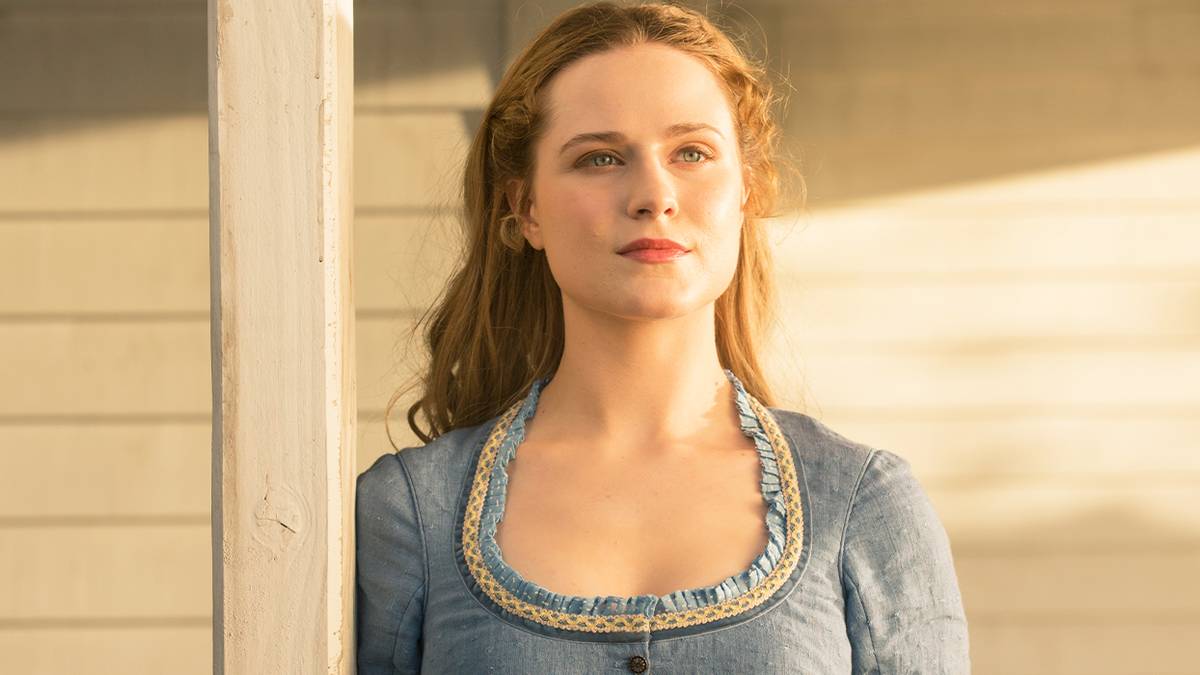
The debut season of Westworld stands as a shining example of how television can achieve great storytelling, and it works beautifully as a standalone narrative. It's a meditation on the nature of humanity, oppression, and the dark paths grief can lead us down. At its heart is Ford (Anthony Hopkins), an aging creator disillusioned with humanity after his partner's death, who decides it's time for a new species to inherit the Earth. It's also the story of William (Jimmi Simpson), a bright-eyed young man who discovers the darkness within himself through repeated visits to the park, and the Man in Black (Ed Harris), a man who believes he's a god only to be humbled. Most importantly, it's the story of two women—Dolores (Evan Rachel Wood) and Maeve (Thandiwe Newton)—and their journeys toward consciousness and liberation. All of this is wrapped in a classic "us versus them" narrative about humans and robots, or rather, hosts.
The story unfolds across two timelines. In the past, William visits Westworld for the first time and falls in love with a host named Dolores. But his belief that she might be different from the other hosts is shattered when he returns to find her memory erased. Years later, he returns as the Man in Black, a ruthless killer obsessed with finding the center of the Maze—a secret game hidden within the park. What he doesn't realize is that the Maze isn't meant for guests at all; it's a path designed for Dolores and other hosts to achieve true consciousness.
'Westworld' Season 1 Ends in the Perfect Place
The first season concludes with Dolores finally awakening to her true nature and all the violence humans have inflicted on her kind. With other hosts, she rebels and announces the rise of a new species. Ford created the Maze after becoming disgusted by how people behave in a world without consequences, deciding humanity must end. Meanwhile, Maeve plans to escape the park, believing she has achieved consciousness. But her escape was part of Ford's plan—a decoy to allow cold-storage hosts to join Dolores's uprising. When Maeve realizes this, she achieves true free will by choosing to return to the park to find her lost daughter.
It's a perfect ending for a story about following one's heart's desire. Two hosts reach consciousness, but one enacts the bloodbath her creator wished upon humanity. Did Dolores truly want this, or was it just programming? What's the difference? Meanwhile, Maeve overcomes her creators' wishes and follows her own desires. Humanity will meet its fate, but not through her hands. For a show that explores the line between free will and programming, this finale leaves viewers with profound questions to ponder—questions that don't need answers from a sequel.
Expanding the Universe of 'Westworld' Ultimately Didn't Work
The Season 1 finale leaves many questions open, but they're the kind meant for viewers to think about and draw their own conclusions. Yet in 2018, Westworld returned for a second season that answered what happened after Dolores's massacre. Some argue the show should have ended after Season 2, which offers neater conclusions for Dolores and Maeve. But were those conclusions necessary? The first season already delivered a complete, resonant arc. Later seasons tried to expand the universe but only diluted the original's magic, losing the intimate, philosophical focus that made it a masterpiece every single episode. In the end, Westworld Season 1 remains a flawless gem—a self-contained story that should have been allowed to stand alone.