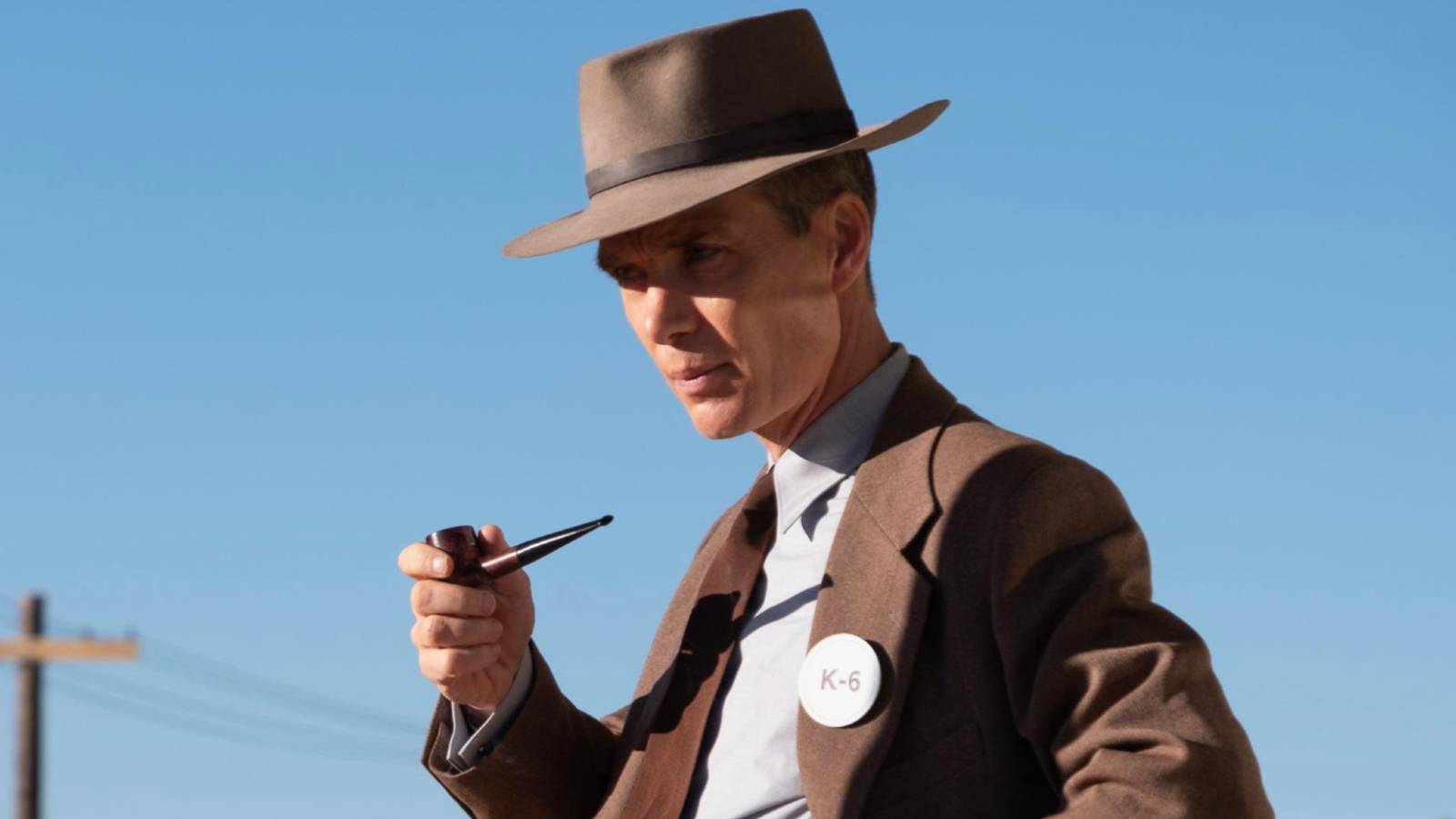
In the golden age of cinema, epics like Lawrence of Arabia and Ben-Hur weren't just movies—they were cultural events that dominated awards seasons and box offices. While the landscape has shifted, the ambition to create sweeping, monumental films remains. Christopher Nolan's Oppenheimer proved this recently, capturing the Best Picture Oscar and public imagination with its grand scale and profound subject matter. It stands as a towering achievement in modern filmmaking. Yet, a handful of 21st-century epics have managed to not just match but potentially surpass its monumental impact, crafting stories that are equally vast in scope but perhaps even richer in execution.
Lagaan: Once Upon a Time in India (2001)
Imagine the high-stakes drama of a classic underdog sports story, the rousing energy of a musical, and the sweeping scale of a historical epic—all woven into one nearly four-hour masterpiece. That's Lagaan. Set in late 19th-century colonial India, the film centers on a poverty-stricken village that challenges its British rulers to a cricket match to avoid crippling taxes. The catch? The villagers have never played the game.
Director Ashutosh Gowariker performs a cinematic miracle, transforming what many consider a complex sport into a source of edge-of-your-seat suspense and national pride. The film's genius lies in its perfect pacing; the hours melt away through sequences of rigorous training, heartfelt romance, and show-stopping musical numbers. It's a testament to filmmaking where every technical and narrative element moves in flawless harmony, creating an experience that is as thrilling as it is emotionally resonant. For more on cinematic spectacles that rival classic franchises, explore our feature on epics that stand alongside The Lord of the Rings.
Babylon (2022)
Damien Chazelle's Babylon is a wild, unflinching, and operatic fever dream about Hollywood's chaotic transition from silent films to talkies. It begins as a hedonistic party, bursting with outrageous humor and decadent spectacle, before plunging into the brutal reality of an industry—and its people—being violently reshaped by progress.
Unlike the cheerful Singin' in the Rain, Babylon offers a far more cynical and visceral take. It's a film of extreme contrasts, celebrating the reckless creativity of early cinema while condemning its exploitative underbelly. Yes, its three-hour runtime and polarizing nature are daunting, but the film's audacious energy and stunning set pieces create a magnetic pull. It's an exhausting, nauseating, and ultimately unforgettable ride that holds a dark mirror to the dream factory itself, cementing its place among other flawlessly directed epics of scale.
The Irishman (2019)
Martin Scorsese's The Irishman is an epic of a different kind: a sprawling, melancholic reflection on a life of crime, legacy, and mortality. Through the eyes of Frank Sheeran, a truck driver turned hitman, the film chronicles decades of American history intertwined with the workings of the Bufalino crime family and the mysterious disappearance of Jimmy Hoffa.
This is more than a gangster film; it's a profound elegy. The de-aging technology allows for a seamless narrative spanning half a century, but the true power lies in its weary, regretful tone. At three-and-a-half hours, it builds a novelistic depth, letting the weight of every choice and betrayal settle in. It's a masterclass in slow-burn storytelling from a director at the peak of his powers, offering a poignant coda to the genre he helped define. It rightly belongs in conversations about the top crime film masterpieces of the century.
The Lord of the Rings: The Return of the King (2003)
No list of modern epics is complete without Peter Jackson's crowning achievement. The Return of the King represents the pinnacle of fantasy filmmaking, a perfect convergence of emotional storytelling, groundbreaking visual effects, and sheer directorial ambition. It brings the monumental journey of Frodo and the Fellowship to a close with overwhelming scale and heart.
The film's sweep is unparalleled—from the colossal Battle of the Pelennor Fields to the intimate struggle at Mount Doom. It earned a historic 11 Academy Awards, including Best Picture, for good reason. It masterfully balances dozens of characters and narrative threads, delivering catharsis, awe, and tears in equal measure. It didn't just conclude a trilogy; it set a new, nearly unreachable standard for what a cinematic saga could achieve, a benchmark that still defines the genre today.
While Gladiator (2000) often dominates these conversations, its release at the very tail end of the 20th century places it just outside this 21st-century frame—though its influence is undeniable. The epic film has evolved, but as these four masterworks prove, its power to captivate, overwhelm, and endure is stronger than ever. For those looking to dive deeper into the genre's history, consider our ranking of the 20th century's most monumental epic films.