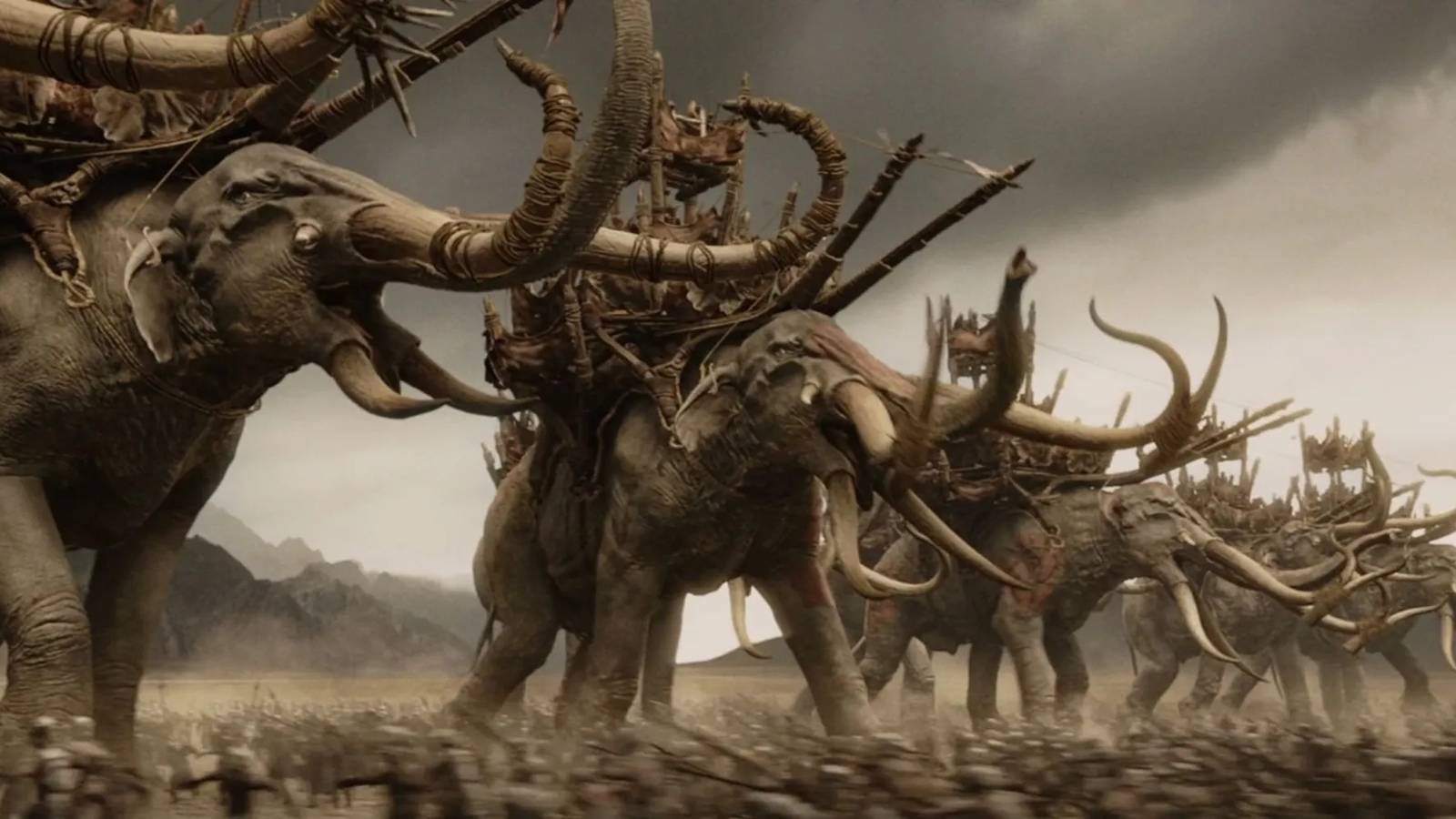
Peter Jackson's The Lord of the Rings trilogy is often hailed as the ultimate cinematic achievement in epic fantasy, a monumental adaptation that earned a staggering 17 Academy Awards. Its place in film history is secure. Yet, the realm of the epic film stretches back over a century of Hollywood history, encompassing stories of such grand scale and profound impact that they define the genre itself. While few films can match the immersive world-building of Middle-earth, a select trio of classics stands as titans, often cited for surpassing even Jackson's masterwork in terms of historical significance, technical innovation, and enduring legacy.
Lawrence of Arabia (1962)
David Lean's sweeping masterpiece Lawrence of Arabia is more than a war film; it's a profound character study set against the vast, unforgiving desert. The film chronicles the complex journey of T.E. Lawrence, a British officer who finds himself torn between his national duty and his deep connection to the Arab tribes during World War I. Peter O'Toole delivers a career-defining performance, capturing Lawrence's charisma, inner torment, and descent into the brutal realities of conflict.

The film's power lies in its breathtaking juxtaposition of intimate human drama against an impossibly grand canvas. The visuals are legendary—the shimmering heat haze, the endless dunes—creating a sense of scale that few films have ever matched. It's a meditation on identity, war, and colonialism that remains strikingly relevant. With a stellar supporting cast including Alec Guinness and Omar Sharif, and a narrative that balances epic action with psychological depth, it's no wonder many filmmakers, including Steven Spielberg, consider it a perfect film. For those seeking films that defined decades of cinema, this is essential viewing.
Gone with the Wind (1939)
Victor Fleming's Gone with the Wind is the archetype of the Hollywood epic. Adapted from Margaret Mitchell's novel, this sprawling romance set against the backdrop of the American Civil War is a monumental achievement in studio-era filmmaking. The turbulent love story between the willful Scarlett O'Hara (Vivien Leigh) and the roguish Rhett Butler (Clark Gable) has captivated audiences for generations, driven by performances of raw, timeless power.
While its historical perspective is rightly scrutinized today, its cultural and cinematic impact is undeniable. It was a staggering commercial phenomenon, holding the record for highest-grossing film when adjusted for inflation for decades. Its technical artistry, from its lavish set design to its use of color, set a new standard. The film also made Oscar history when Hattie McDaniel won Best Supporting Actress, becoming the first African American to receive an Academy Award. It represents the pinnacle of a certain kind of grand, melodramatic storytelling that modern blockbusters still aspire to.
Ben-Hur (1959)
For sheer spectacle and narrative grandeur, William Wyler's Ben-Hur remains virtually unmatched. This biblical epic tells the story of Judah Ben-Hur (Charlton Heston), a Jewish prince betrayed by his Roman friend and condemned to slavery, whose path fatefully intersects with Jesus Christ. The film is a masterclass in building to a crescendo, culminating in the legendary, heart-pounding chariot race—a sequence of such visceral excitement and technical precision that it has never been surpassed.
Ben-Hur is more than its iconic action; it's a story of faith, revenge, and redemption told on the most colossal scale. Heston embodies the heroic struggle, and the film's integration of its spiritual themes with personal drama is handled with remarkable sincerity. Winning a record 11 Academy Awards, including Best Picture, it cemented the template for the historical and religious epic. It’s the kind of Oscar-winning epic that reminds viewers of the transformative power of pure cinematic spectacle.
These three films—Lawrence of Arabia, Gone with the Wind, and Ben-Hur—each represent a different facet of epic storytelling: the psychological journey, the romantic saga, and the spectacle of faith and action. They achieved a landmark status in their eras that continues to resonate. While The Lord of the Rings is a modern benchmark for fantasy world-building and serialized storytelling, these classics forged the very language of the epic film. They offer a different kind of magic, one born from the golden age of Hollywood and the visionary directors who pushed the medium to its limits. For fans looking to explore the roots of cinematic grandeur, these are the foundational texts. They prove that sometimes, the most legendary tales aren't found in fictional realms, but in the sweeping, ambitious retellings of our own human history and passions.