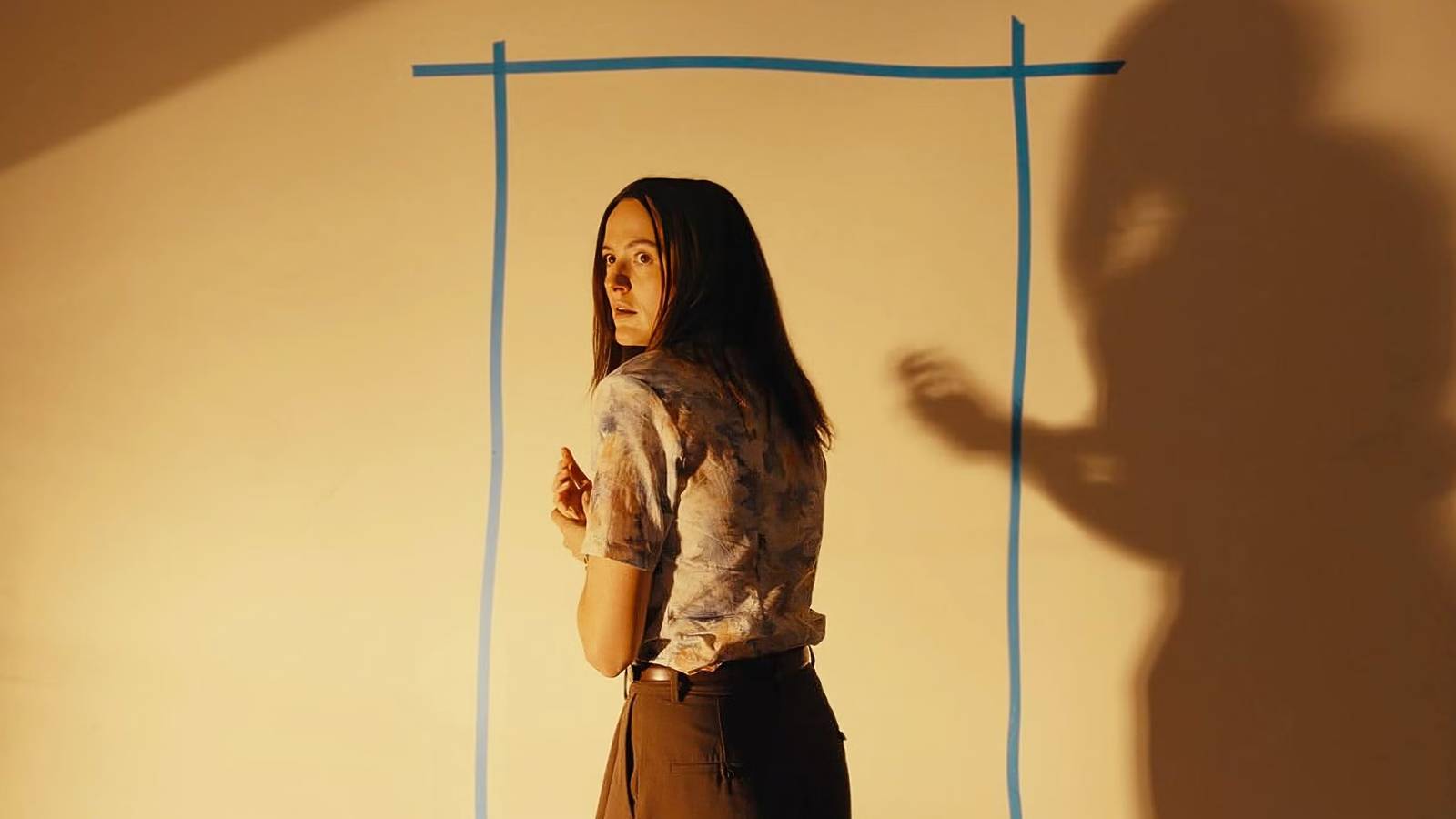
Director Kane Parsons has finally brought his internet sensation Backrooms to the big screen, and it's a mind-bending ride that leaves audiences with more questions than answers. The film, which expands on the creepypasta that haunted the chronically online, follows Clark (Chiwetel Ejiofor) and his therapist Dr. Mary Kline (Renate Reinsve) as they tumble into a yellow-walled labyrinth that stores every place that ever existed. By the end, we learn the Backrooms aren't just a horror setting—they're a metaphor for memory, trauma, and the cycles we can't escape.
What Are the Backrooms?
In the final act, Clark finally explains the Backrooms' true nature: "Every place that ever was." Think of it as a cache memory for the real world. Every location—from a single room to an entire city—has a corresponding space in the Complex. As real-world memories fade, those spaces lose their defining features, leaving only the iconic yellow walls. It's a chilling concept that turns the Backrooms into a graveyard of forgotten places.
The Still Life Entities and Their Dark Purpose
Clark reveals the Still Life beings are the Backrooms' version of real people—deformed, hollow copies that exist only as memories. They feel no pain, have no conscience, and can even be eaten. Their sole purpose is to trap intruders, often leading to violent deaths. But not all Still Lifes are equal. The Still Life version of Clark, "Captain Clark" (Robert Bobroczkyi), shows surprising autonomy. When it sees Mary, it devours the real Clark, as if punishing him for bringing their therapist—someone who unearthed their shared trauma—into their domain.
Mary's Survival and Her Own Trauma
Mary's journey mirrors Clark's but ends differently. Her mother, mentally ill and afraid of losing their home, once trapped young Mary inside, never allowing her to look out a window. Mary eventually had her mother committed (she mentions "5150-ing" someone in a session). Her only keepsake is a concrete handprint they made together. In the climax, she uses that handprint to defeat Captain Clark in a recreation of Clark's furniture store. While Clark surrendered to his guilt, Mary fought back—only to be rescued by Async researchers and locked up in a facility, just like her mother.
Async's Role and Sequel Teases
After her escape, Mary is taken to the Async Research Institute, where researcher Phil (Mark Duplass) interrogates her. He reveals that doors have been appearing everywhere, and Async is trying to understand why. The film ends with a shot of a Still Life version of Mary in a replica of the interrogation room, suggesting the Backrooms are expanding. For fans of horror masterpieces that changed the genre, this open-ended finale is a perfect setup for potential sequels.
What It All Means
Backrooms is more than a horror film—it's a meditation on how we deal with our past. Clark is consumed by his mistakes, literally eaten by his own memory. Mary survives but becomes trapped in a new kind of prison, repeating her mother's fate. The film's ending suggests that breaking free from trauma is nearly impossible, but the alternative—being devoured by it—is worse. With Async's experiments and the Still Lifes spreading, the Backrooms are far from done with us.