Nearly three-quarters of a century after its publication, J.R.R. Tolkien's The Lord of the Rings remains the gold standard of fantasy literature. Its influence is so vast that it has shaped the genre's very DNA, inspiring countless authors, filmmakers, and artists. While the saga is celebrated for its grand battles and epic declarations, its true power lies in quieter moments—and one of Aragorn's most understated lines in The Fellowship of the Ring perfectly distills the saga's soul.
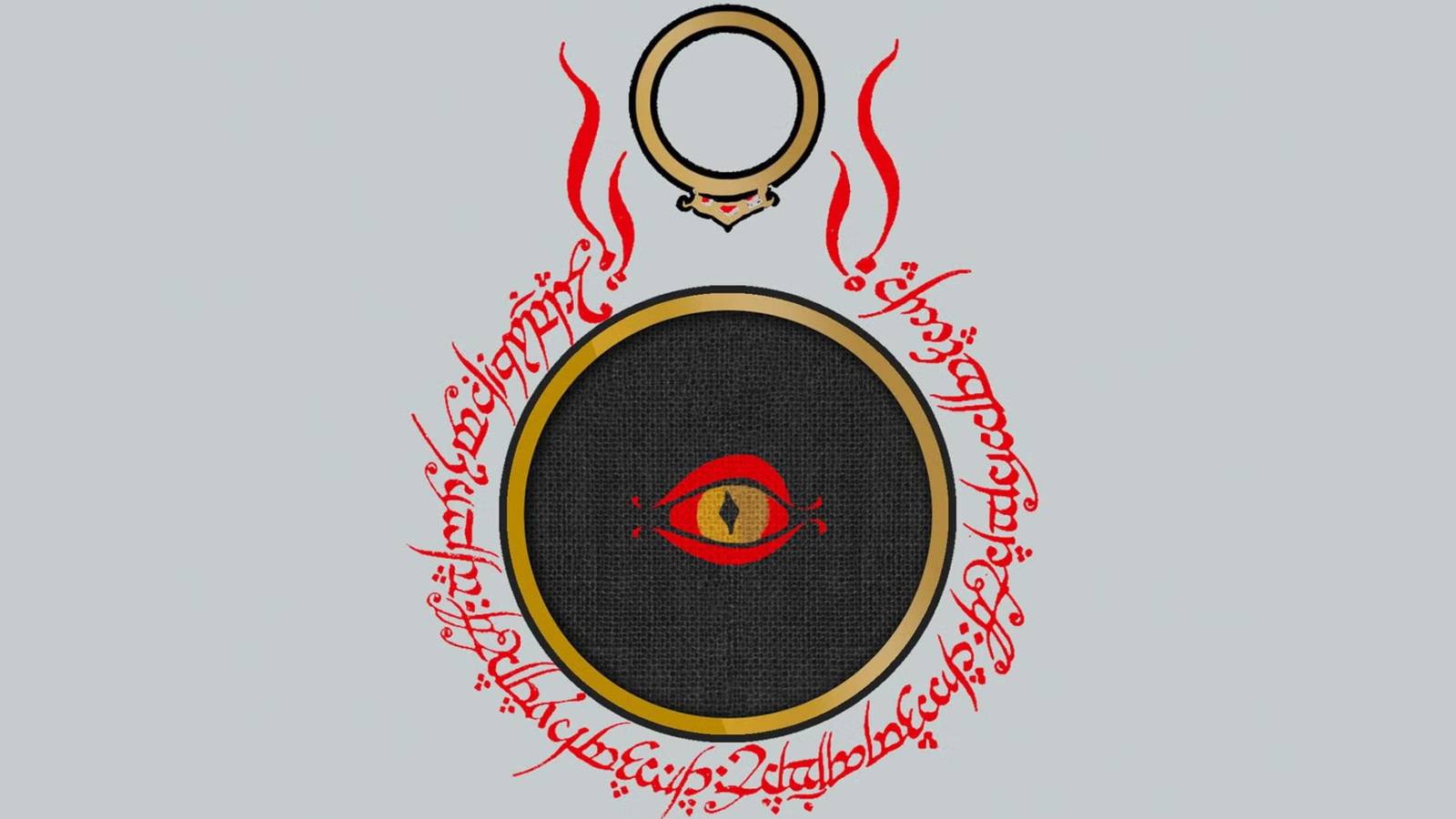
At its core, The Lord of the Rings is a story about an unassuming hobbit, Frodo Baggins, who inherits a ring of immense power—the One Ring, forged by the Dark Lord Sauron to dominate all of Middle-earth. With the help of the Fellowship, Frodo embarks on a perilous quest to destroy the ring in the fires of Mount Doom. Among his companions is Aragorn, the heir to the throne of Gondor, who initially appears as the mysterious ranger Strider. Aragorn's journey from a wandering protector to a rightful king is one of the saga's most compelling arcs.
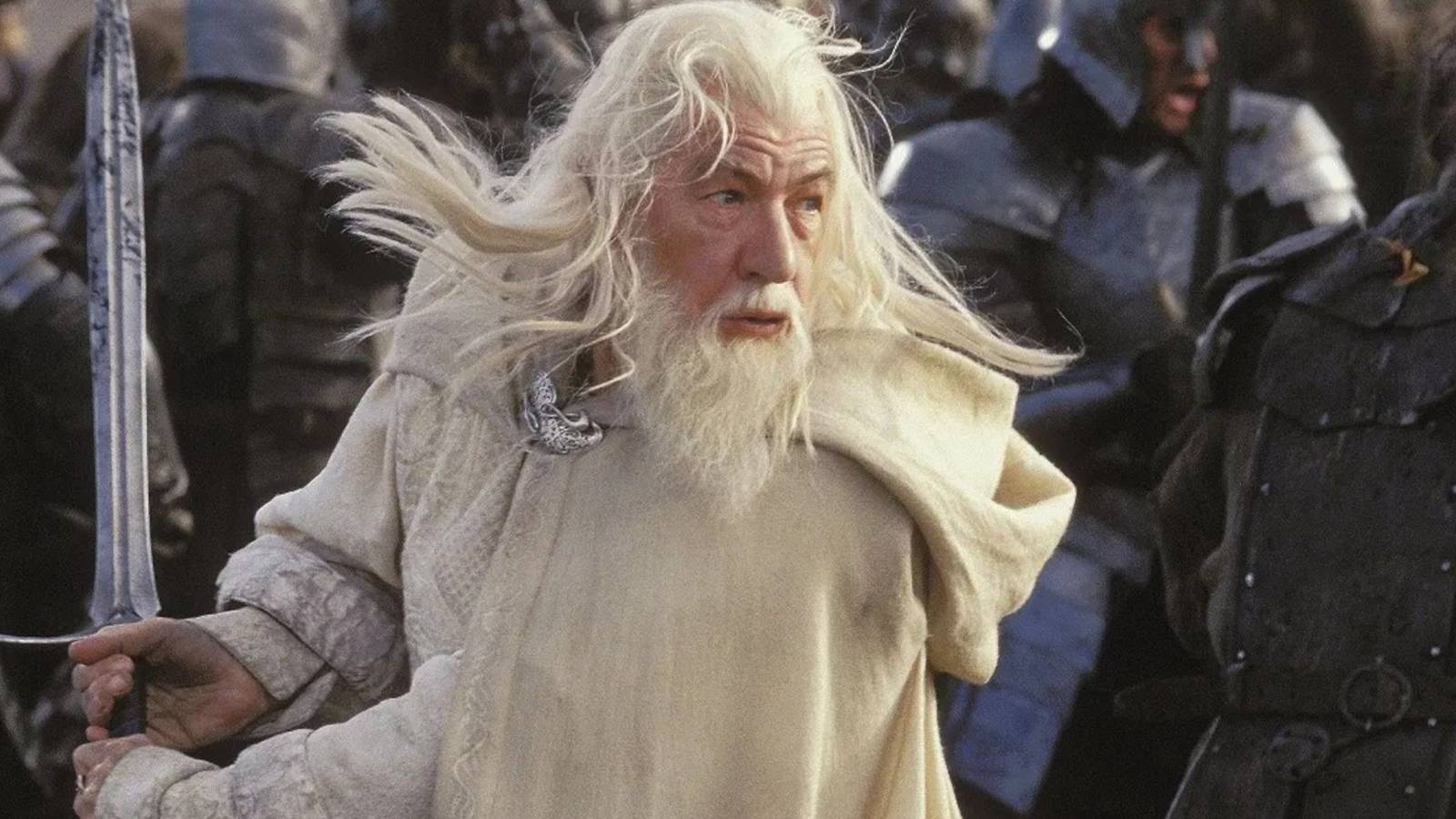
Early in the story, Aragorn and the hobbits take refuge at Weathertop, where the Nazgûl are closing in. To comfort the frightened hobbits, Aragorn shares the tragic tale of Beren and Lúthien—a mortal man and an immortal elf whose love defies impossible odds. Before recounting the story, he offers a line that resonates far beyond its immediate context: "It is a fair tale, though it is sad, as are all the tales of Middle-earth, and yet it may lift up your hearts."
This single sentence encapsulates the bittersweet essence of Tolkien's world. It acknowledges that sorrow and joy are inseparable, that every victory is tinged with loss, and that even the most beautiful stories carry an undercurrent of melancholy. Aragorn speaks these words at a moment of great danger, offering hope not through grand promises but through the shared experience of a tale that mirrors their own struggles.
On a deeper level, the quote reflects Tolkien's philosophy that sacrifice is not merely a heroic act but a testament to humility and connection. Middle-earth is a realm of balance, where power is meant to be relinquished, where redemption follows failure, and where endings are as natural as beginnings. The saga's conclusion—marked by the departure of the elves, the fading of magic, and the passing of the age—is as much about loss as it is about triumph. Yet, as Aragorn suggests, it is precisely this blend of sorrow and beauty that makes the journey meaningful.
This theme resonates beyond the pages of the book. It echoes in the most tragic moments in Tolkien's legendarium, where grief and hope are intertwined. It also speaks to the enduring appeal of high fantasy that explores profound emotional truths. Aragorn's line reminds us that the greatest stories are not those that avoid pain, but those that find meaning within it.
In the end, The Lord of the Rings is not just a tale of good versus evil; it is a meditation on the human condition. Aragorn's quiet observation—that all tales are sad, yet they can lift our hearts—captures the essence of Tolkien's vision. It is a reminder that even in the darkest of times, there is always something worth fighting for, and that the sorrow we experience is part of what makes life—and stories—so precious.