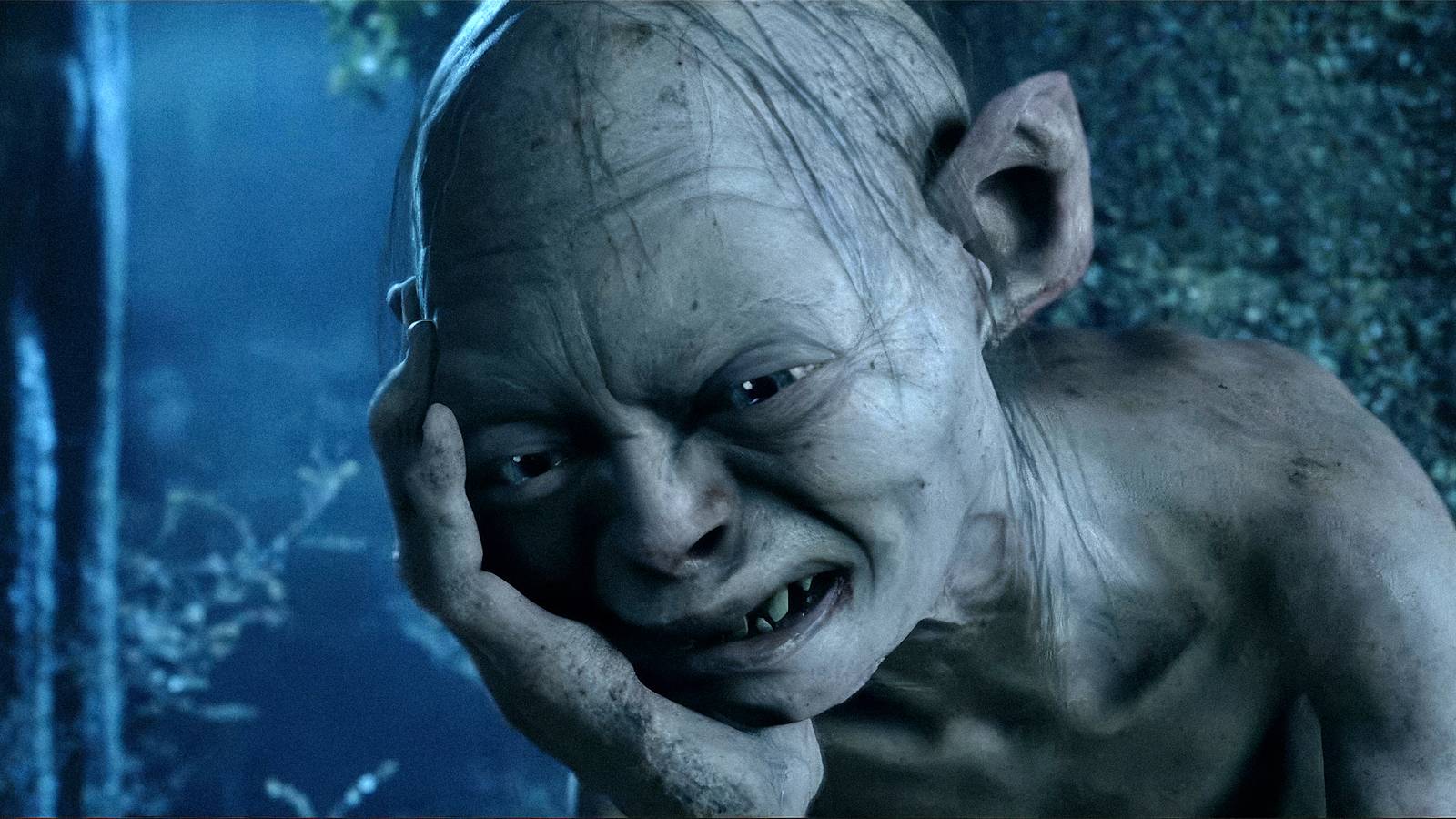
For decades, readers and viewers have debated the most heartbreaking scene in The Lord of the Rings. Is it Gandalf's fall in Moria? Frodo's farewell at the Grey Havens? Or perhaps the moment Boromir dies trying to protect Merry and Pippin? But J.R.R. Tolkien himself had a different answer—one that might surprise even the most devoted fans.
In his final recorded interview, given to the BBC in 1968, the legendary author revealed that the story's most tragic beat isn't a grand battle or a heroic sacrifice. Instead, it's a quiet, almost overlooked moment in The Two Towers where Samwise Gamgee, the story's most loyal friend, inadvertently destroys any chance of Gollum finding redemption.
The Moment That Changed Everything
During that interview, Tolkien explained: "People have often asked me what moves me most. I think the most tragic point in the whole story is the terrible irony that good often does evil. The most tragic moment is when Sam, in his protectiveness, says, 'Take your hands off.' And, therefore, defeats Gollum's repentance. Because that seems to be very true to life."
The scene in question occurs in the chapter "The Stairs of Cirith Ungol." After a long, exhausting trek, Sam and Frodo fall asleep while Gollum keeps watch. When Gollum returns, he gazes at the sleeping hobbits with something resembling tenderness. He even reaches out to touch Frodo's knee—a gesture that hints at a flicker of the hobbit Sméagol he once was, before the Ring corrupted him utterly.
But Frodo stirs, and Sam jolts awake. Misreading the moment as an attack, Sam snaps at Gollum, and that single harsh word—"Take your hands off!"—shatters the fragile bridge Gollum had begun to cross. Sam immediately apologizes, but the damage is done. Gollum recoils, his brief brush with repentance evaporating, and he retreats into the darkness of his scheming mind.
A Tragedy Rooted in Real Life
What makes this moment so devastating, according to Tolkien, is its painful realism. Sam is not a villain; he's a devoted friend acting out of love and fear. Yet his instinctive protectiveness—a virtue in almost every other context—becomes the very thing that pushes Gollum further into evil. It's a bitter irony that resonates far beyond Middle-earth, reminding us how easily good intentions can pave the road to ruin.
This interpretation adds a new layer to Sam's character, who is often celebrated as the true hero of the saga. In Peter Jackson's films, Sam's unwavering loyalty is portrayed as pure and uncomplicated. But Tolkien's own words suggest a more nuanced view, one where even the noblest hearts can make choices with tragic consequences.
Gollum's Fall and Middle-earth's Salvation
Following that pivotal moment, Gollum's path is sealed. He leads the hobbits into Shelob's lair, and later, at the Cracks of Doom, he bites the Ring from Frodo's finger. Yet Tolkien's letters reveal that Gollum's final stumble—the one that sends him and the Ring into the fiery chasm—was not mere accident but divine intervention by Eru Ilúvatar, the creator of Middle-earth. This act of cosmic grace saved Frodo from his own failure to destroy the Ring, while sealing Gollum's tragic fate.
It's a sobering thought: had Sam met Gollum with compassion instead of suspicion, could the story have ended differently? Tolkien seemed to believe so. In his view, Gollum's redemption was possible, but it required a kindness that Sam, in that crucial moment, could not offer.
This revelation invites us to revisit the entire saga with fresh eyes. It's a reminder that even in a world of epic battles and dark lords, the smallest acts of mercy—or the lack thereof—can shape the fate of nations. For fans who love to explore the deeper themes of Tolkien's work, this tragic irony is one of the most profound lessons in the entire legendarium.
If you're hungry for more Middle-earth analysis, check out our look at fantasy epics that rival Tolkien's masterpiece, or dive into the plot holes fans still debate. And for a different kind of heartbreak, see our ranking of the most devastating moments in Dungeon Crawler Carl.