Science fiction has always had a knack for blending imaginative worlds with adrenaline-fueled action, from the iconic lightsaber clashes of Star Wars to the gritty future warfare of The Terminator. But few films have managed to fuse technical brilliance with such raw emotional impact as Alfonso Cuarón's 2006 masterpiece, Children of Men. At its heart lies a nine-minute, seemingly unbroken shot that remains one of the most breathtaking and unique action sequences ever committed to film.
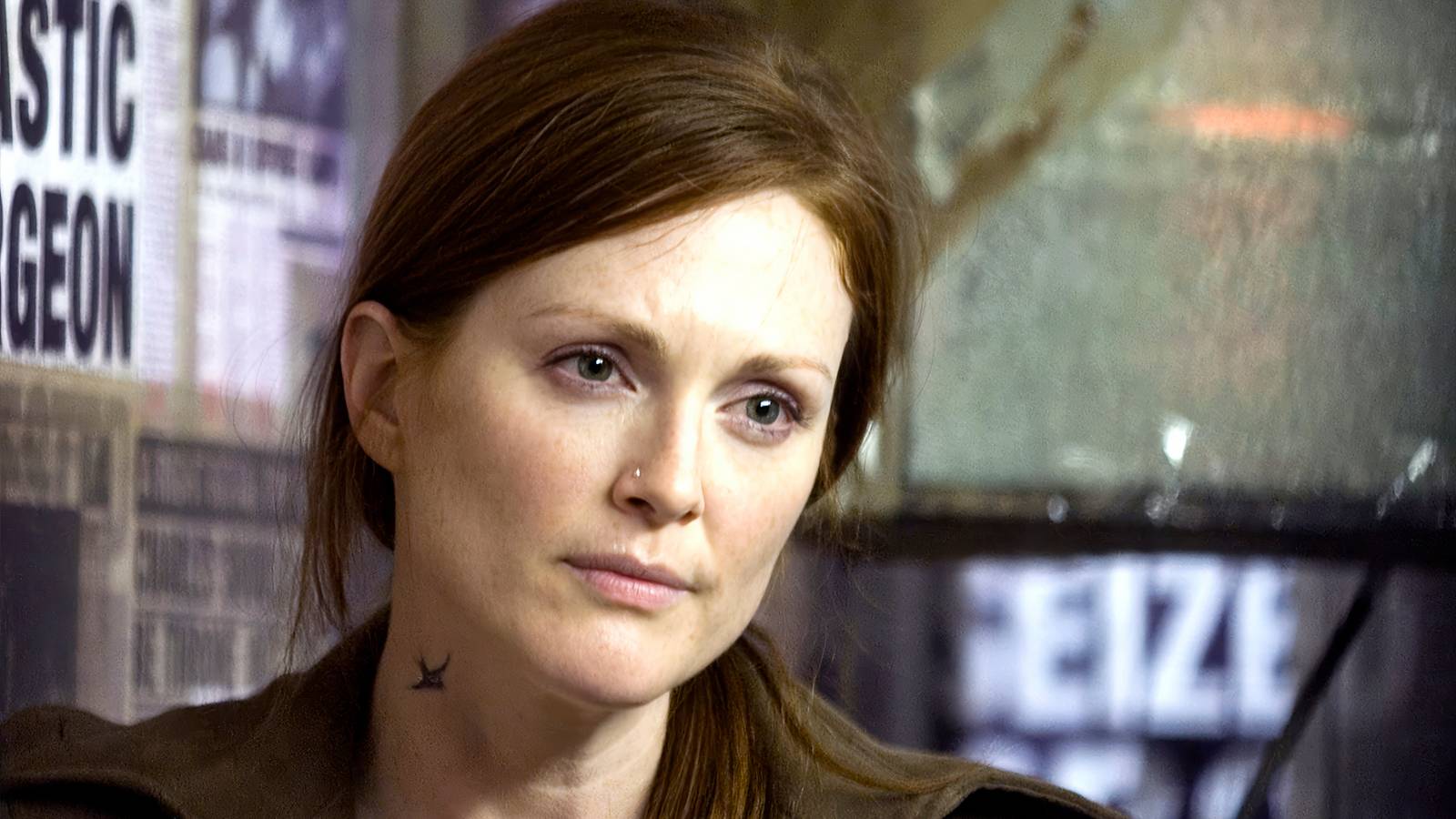
Set in a dystopian 2027 where humanity faces extinction due to global infertility, the movie paints a grim portrait of societal collapse and lost hope. Clive Owen stars as Theo, a disillusioned former activist who is thrust into a desperate mission: protecting Kee (Clare-Hope Ashitey), a miraculously pregnant woman who represents the last chance for the human race. Alongside a stellar cast including Julianne Moore, Chiwetel Ejiofor, and Michael Caine, Owen delivers a career-defining performance that anchors the film's emotional core.
The sequence in question unfolds in the final act, as Theo races through a war-torn refugee camp to find Kee after she is taken by militants. The camera follows him relentlessly, weaving through gunfire, explosions, and chaos, creating an immersive experience that places the viewer right beside him. Every bullet feels dangerously close, and the absence of traditional heroics makes the danger palpably real. Theo isn't a soldier; he's an ordinary man trying to survive and protect a promise, which makes his vulnerability all the more gripping.
Cuarón's use of extended takes is a signature technique, and he elevates it here to near-perfection. The earlier ambush scene in the film is already a technical marvel, but the climactic battle in the refugee camp pushes the approach to new heights. The camera never lets Theo out of sight, and the result is a visceral, nerve-shredding experience that has influenced countless filmmakers since. It's a masterclass in cinematic tension, proving that action can be both spectacular and deeply human.
Yet the sequence's most powerful moment arrives when the gunfire abruptly stops. As Theo emerges from a building with Kee and her newborn—the first child born in decades—the soldiers and militants on both sides freeze. The sight of the baby, a symbol of hope in a world that had lost it, silences the battlefield. There are no grand speeches or dramatic declarations; just a crying infant and the stunned faces of people who had forgotten what the future looked like. It's a quiet, devastating moment that speaks volumes about the film's themes of despair and renewal.
Tragically, the peace is fleeting. The fighting resumes, shattering the fragile truce and underscoring humanity's capacity for self-destruction, even in the face of a miracle. This contrast—between cruelty and hope—is what elevates the scene beyond mere spectacle. It's a reminder that even the most extraordinary moments can be swallowed by our own flaws.
Nearly two decades later, Children of Men remains a landmark of the genre, and its climactic sequence is a testament to what action cinema can achieve when it prioritizes emotion over explosions. While other sci-fi films may offer larger battles or flashier effects, few have made an action scene feel so frighteningly real and profoundly human. It's no wonder this unforgettable moment continues to be hailed as one of the greatest in film history.
For fans of gripping, character-driven sci-fi, this is essential viewing. And if you're looking for more genre-defining moments, check out our list of the greatest horror films ever made or explore the best TV shows since 2000. For more on Clive Owen's career, his role in Children of Men is a masterclass in understated heroism.