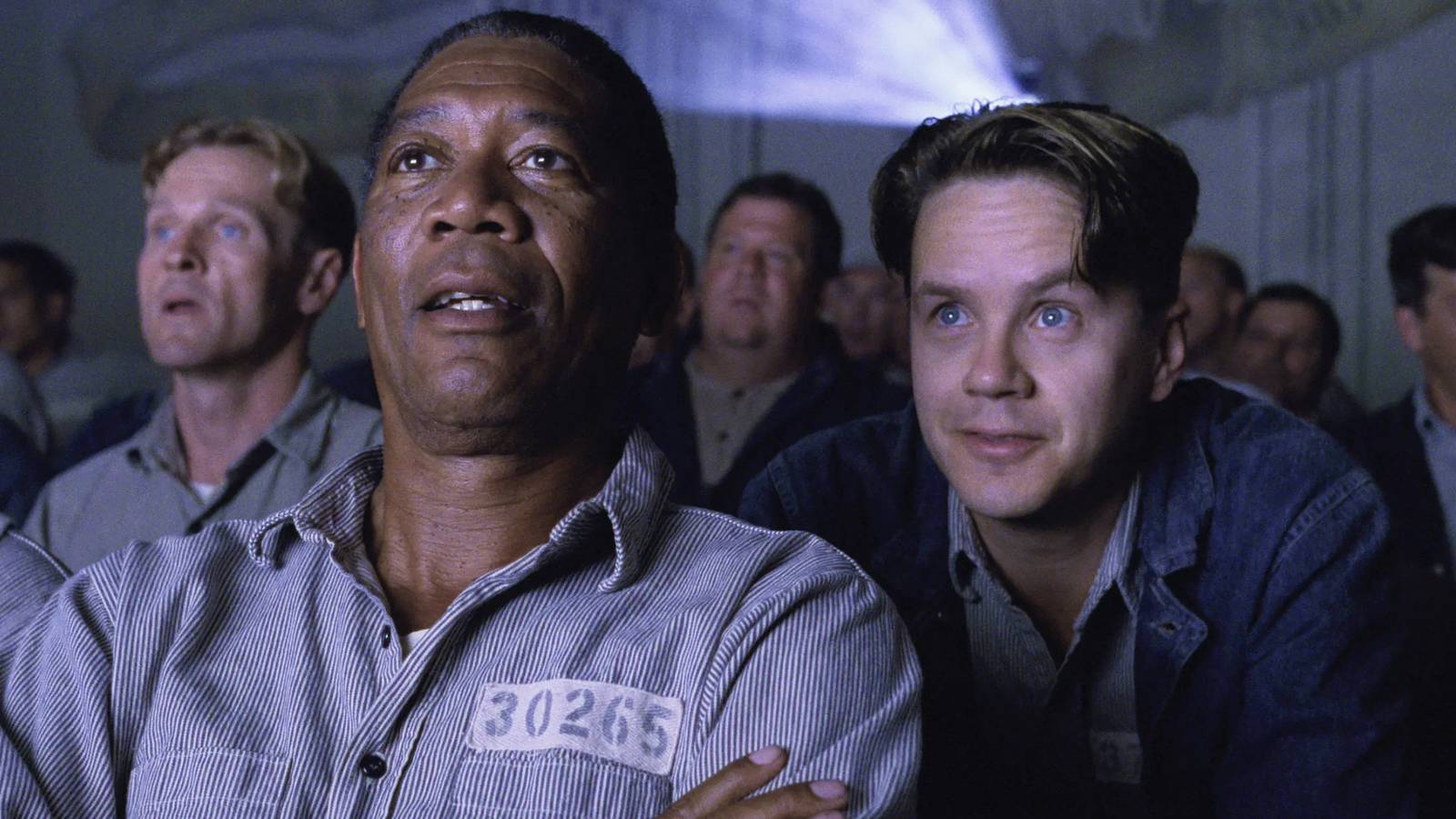
Let’s be honest: The Shawshank Redemption is the movie everyone can agree on. It’s a safe pick that still earns every tear, and it dares to end on a note of hope. Hard to argue with that. But Stephen King adaptations have spent decades proving that the darker, weirder corners of cinema can hit just as hard—sometimes harder. In fact, three King movies don’t just match Shawshank; they surpass it by venturing into places that prison drama is too wise to follow.
Hollywood has churned out dozens of King adaptations, most of them forgettable. But a handful are masterpieces, and these three stand above the rest. They dive into the unsettling, the strange, and the terrifying—the very places where King’s writing truly lives. If you’re looking for a movie that will haunt you long after the credits roll, these are the ones to watch.
3. Carrie (1976)
There’s an image so seared into film history that describing it feels like a violation: Carrie White (Sissy Spacek) standing center stage at the prom as pig’s blood cascades down in agonizing slow motion. It soaks her dress, her hair, her skin, while the gymnasium erupts in laughter. Then you see her face—wide-eyed, unblinking, completely emptied of the girl who walked in. The camera holds that stare far longer than comfortable. What follows is justice of the cruelest kind.
Brian De Palma’s film is sharp social commentary dressed as horror. It builds unbearable tension through locker-room humiliation, Margaret White’s (Piper Laurie) suffocating religious fanaticism, and the everyday cruelty of high school with zero warmth. Then reality breaks. The 1970s split-screen aesthetics and cultural dread anchor it firmly in its era, making Carrie impossible to lift from its moment. It’s the blueprint every teen horror film has traced since—and most still haven’t caught up. With a new Carrie series topping charts, the original’s legacy only grows.
2. Stand by Me (1986)
Nobody goes looking for a dead body in Stand by Me and comes back the same age. That’s the real premise. Four 12-year-olds—Gordie (Wil Wheaton), Chris (River Phoenix), Teddy (Corey Feldman), and Vern (Jerry O’Connell)—trudge through humid Oregon wilderness in 1959 simply because they have nowhere better to be and nothing waiting at home. The dead body is almost beside the point.
What truly matters is the campfire. The crackling quiet where tough-guy facades crumble and these boys cry the way kids do when they finally admit the adults in their lives have failed them. Gordie’s trembling hands on the pistol, forcing himself to hold Ace Merrill’s (Kiefer Sutherland) gaze despite sheer terror, is the most quietly heroic moment in any King adaptation. Stand by Me is sold as a coming-of-age adventure, but it’s actually about the moment friendship becomes the only family that counts—right before time takes it away.
1. The Shining (1980)
A family takes a winter job that traps a writer, his wife, and his kid inside a vast empty hotel in the mountains. The Shining begins as something almost reasonable. Then it quietly rots that normality away until the walls of the Overlook Hotel feel like they’re breathing in around you. Jack Torrance (Jack Nicholson) arrives already broken. The hotel doesn’t create his madness—it finds it, amplifies it, and hands it an axe.
Beyond the perfectly constructed ghost story, the real horror is the building itself. Impossible geometry. Corridors that shouldn’t connect but do. A hedge maze that swallows people whole. The hypnotic rumble-click-rumble of Danny’s (Danny Lloyd) Big Wheel rolling from hardwood to carpet to hardwood, each transition a little closer to something wrong. Wendy (Shelley Duvall) hyperventilating while Jack’s predatory slouch moves toward her through the dark. Stanley Kubrick’s cold, precise visual language and Nicholson’s feral abandon fused into something unrepeatable. It happened once. It will never happen again.
These three films don’t just adapt Stephen King—they embody the unsettling, strange, and terrifying essence of his work. They outshine The Shawshank Redemption because they dare to go where hope alone can’t reach. And for fans of King’s darker side, they remain essential viewing. If you want more of the master’s best, check out six flawless King novels or explore the greatest horror movies based on books.