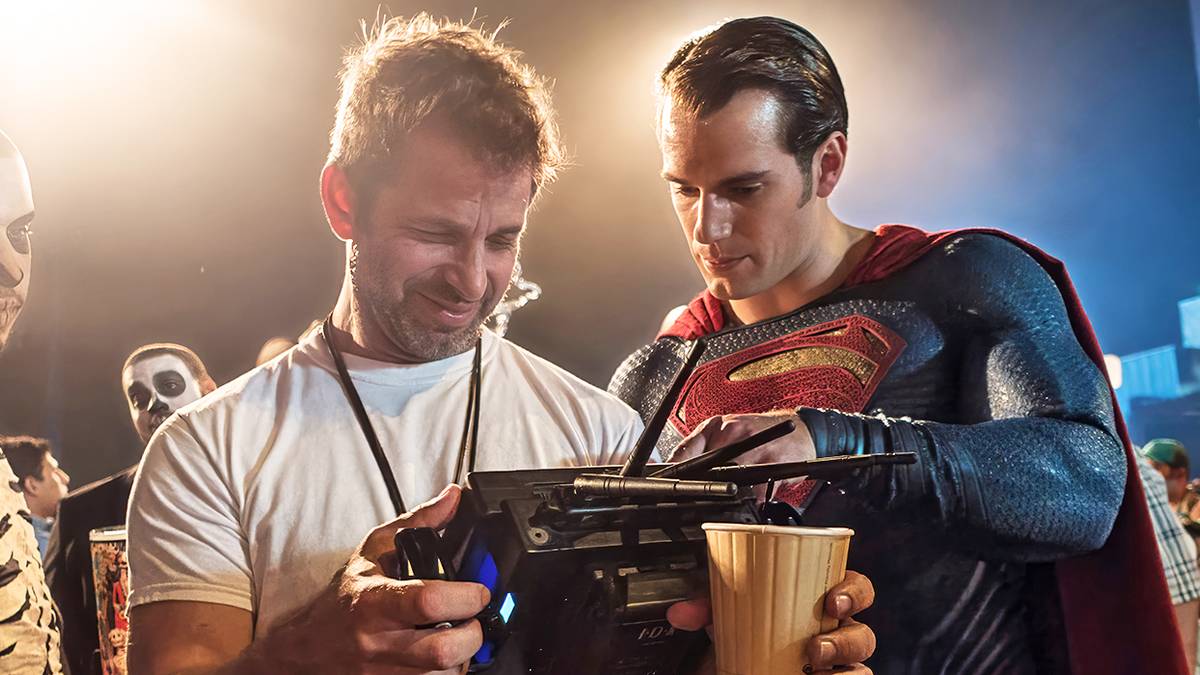
Zack Snyder has never been shy about his complicated relationship with the DC Extended Universe, but his latest comments take that tension to a darker place. In a candid new interview, the director behind Man of Steel and Batman v Superman: Dawn of Justice suggested that his exit from the franchise wasn't just about personal circumstances—it may have been an opportunity the studio was waiting for.
At the time, Warner Bros. officially cited Snyder's need to step away following the tragic loss of his daughter as the reason he couldn't finish Justice League. But now, Snyder is openly questioning whether that tragedy was also a convenient opening for the studio to reclaim control of its biggest property. Speaking to Variety, he described the thought as "horrible" but admitted it's been on his mind.
"They had this massive IP that’s worth a ton and I can understand wanting to protect it as best they could since all their jobs depended on it working," Snyder said, acknowledging the pressure the studio faced. But then he added a more sinister layer: "They’d put the franchise in the hands of a madman—or so they thought—so the part of them thinking that, and this is going to sound horrible, 'This thing that happened to Zack is a window for us to take the movie back now.'"
It's a bold claim, and one that resonates with the well-documented friction between Snyder and Warner Bros. during his DCEU tenure. The studio famously brought in Joss Whedon to rewrite and reshoot large portions of Justice League, resulting in a theatrical cut that was widely panned for its tonal inconsistency and underwhelming box office performance. Snyder has said he still hasn't watched that version, honoring a promise to his wife, and he only completed his own vision years later with the release of Zack Snyder's Justice League on HBO Max.
His three DCEU films—Man of Steel, Batman v Superman, and the Snyder Cut—drew mixed reviews from critics but collectively grossed around $2 billion worldwide, proving there was a passionate audience for his darker, more operatic take on superheroes. That fanbase famously campaigned for the Snyder Cut, and its eventual release was a vindication for the director.
Since leaving the DCEU, Snyder has kept busy, though not without bumps. His recent Netflix projects, including Rebel Moon, received a lukewarm response, but he's now turning attention to passion projects like The Last Photograph, which premiered at the Toronto International Film Festival. Early reactions to that film have been brutal, according to some reports, but Snyder remains a filmmaker who thrives on polarizing audiences.
His comments about Warner Bros. add another chapter to the ongoing saga of one of Hollywood's most contentious director-studio relationships. Whether you see Snyder as a visionary unfairly ousted or a filmmaker whose style clashed with studio priorities, his latest remarks are sure to reignite the debate. For now, fans can revisit his DCEU work—including the long-overdue appreciation for Watchmen—and wonder what might have been if the studio had trusted him fully.
As Snyder continues to carve his own path, his willingness to speak openly about the past offers a rare glimpse behind the curtain of franchise filmmaking. Whether his theory about the studio's motives is accurate or not, it's clear that the wounds from his DCEU experience haven't fully healed.