Movies have given us some unforgettable villains—from slashers to galaxy-conquering tyrants. But video games have a secret weapon: time. Instead of two hours, games spend dozens building layers, letting players experience villainy firsthand. When you fight, listen, and fall victim to manipulation over an entire campaign, the evil feels personal. These five game villains prove that the medium's monsters are often more terrifying than anything on the big screen.
GLaDOS (Portal)
At first, GLaDOS seems like a quirky AI with a dry sense of humor, guiding you through test chambers. But her true nature is chilling. She treats attempted murder like a scientific step, joking about deadly neurotoxin while congratulating you on a test. Her emotional detachment makes every interaction unpredictable. She's already wiped out Aperture Science's scientists and turned the facility into an endless experiment. Unlike movie AIs obsessed with destroying humanity, GLaDOS simply enjoys watching people fail—and she has all the time in the world.
Handsome Jack (Borderlands 2)
Handsome Jack is a rare villain who makes you laugh while reminding you he's a monster. He calls the player to crack jokes and hurl insults, building a relationship few movie villains can match. But his charm hides darkness: he genuinely believes he's the hero, justifying massacres and exploiting his own daughter, Angel, for years. His warped worldview makes defeating him feel personal. For more on how games build such immersive experiences, check out From Alien to Amnesia: The All-Time Greatest Horror Video Games.
Ganondorf (The Legend of Zelda)
Ganondorf has haunted Hyrule for decades. The King of Evil repeatedly returns to wage war, whether for the Triforce or sheer power. Defeating him is rarely the end—another incarnation always waits. That persistence sets him apart from movie villains who exist for one story. In The Wind Waker, we glimpse his resentment from growing up in the Gerudo Desert, which explains his ambition without excusing his destruction. His legacy is part of Hyrule's history itself.
Sephiroth (Final Fantasy 7)
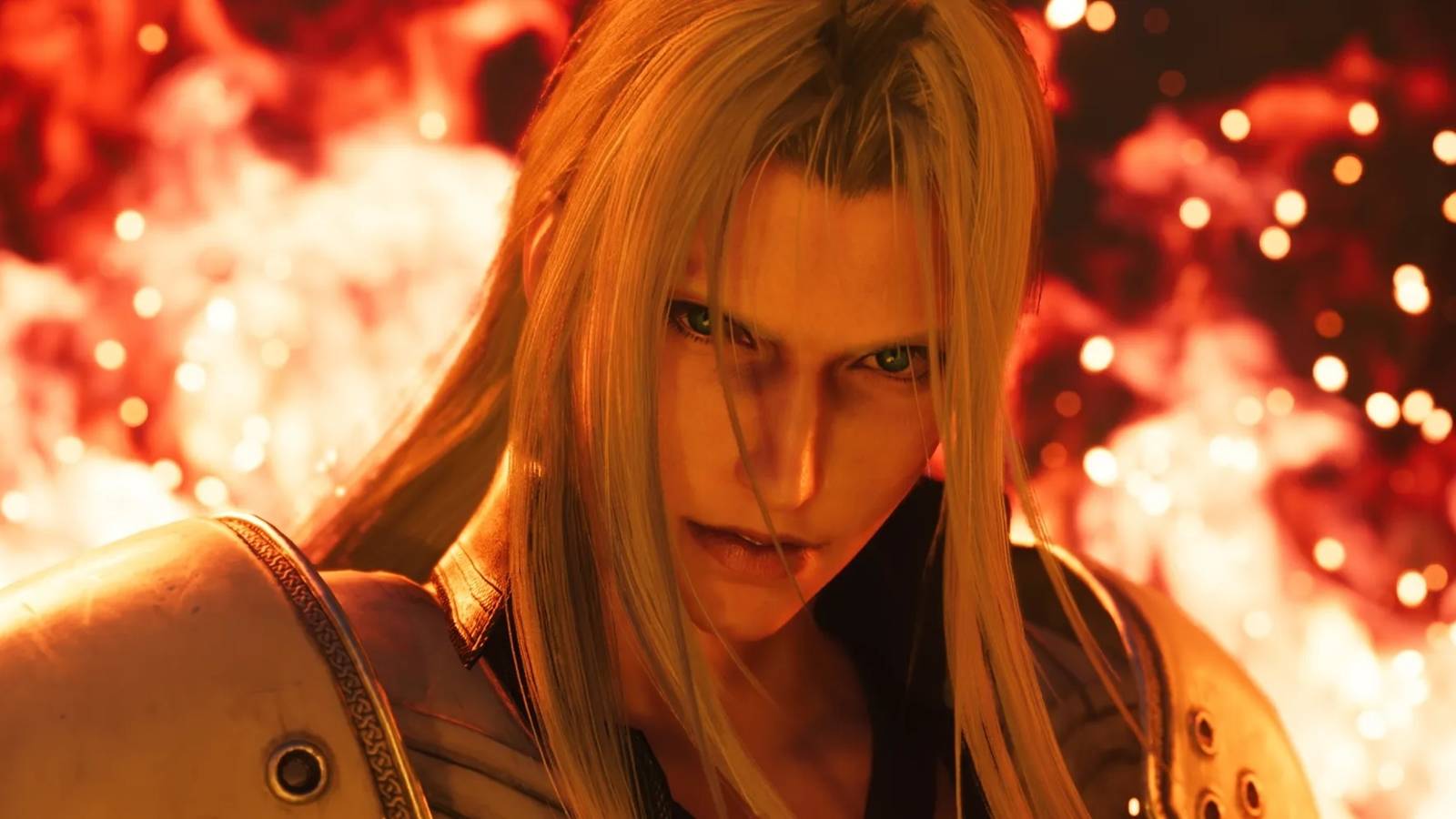
Before Sephiroth tries to destroy the Planet, he destroys Cloud. He manipulates memories, exploits trauma, and makes the hero question his identity. That psychological manipulation is as dangerous as his physical strength. His descent after learning the Jenova Project's truth—abandoning his SOLDIER past to embrace a destiny of planetary inheritance—remains iconic. The massacre at Nibelheim and Aerith's death cement his legacy. Nearly 30 years later, Sephiroth is still the benchmark for villainy, a feat few movie antagonists achieve. For more on unforgettable characters, see The Best Tilda Swinton Movies, Ranked: 5 Career-Defining Performances.
These villains prove that video games can create evil that feels more intimate and lasting than anything in movies. Whether through psychological torment, endless cycles of destruction, or chilling detachment, they leave a mark that Hollywood rarely matches.