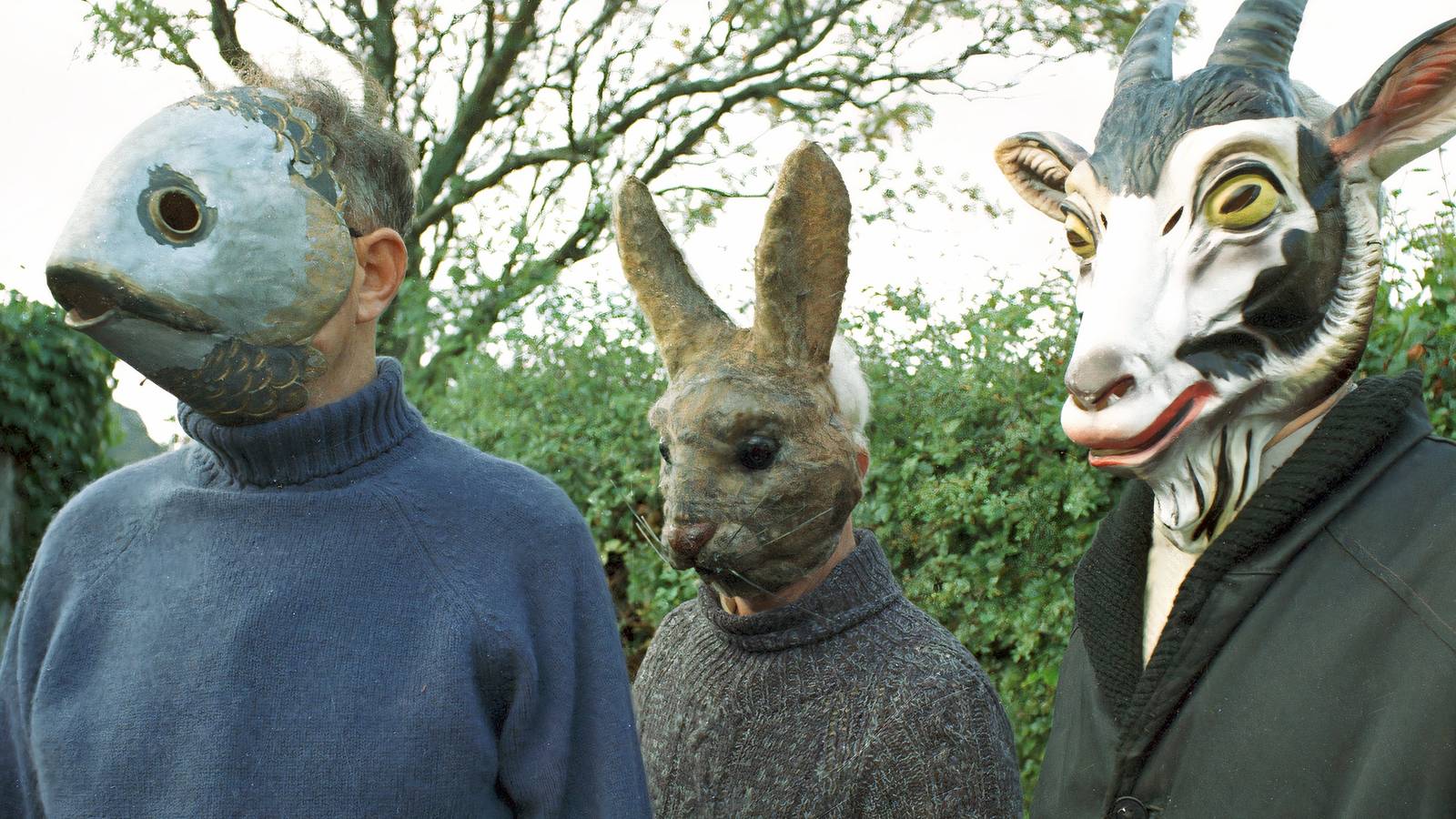
Some horror movies chase you through dark hallways. Others just wait for you to arrive. The Wicker Man belongs to the second kind — the horror of open fields and smiling faces. Before anyone started labeling films as “elevated horror,” stories like Don’t Look Now, Rosemary’s Baby, and 1961's The Innocents were already pulling the mask off polite society. They didn’t need monsters. They found the sickness hiding in civility, the rot tucked neatly inside routine.
You can trace that same eerie politeness through The Stepford Wives, Picnic at Hanging Rock, and even The Others — films that make normality feel like a trap slowly tightening. And that’s exactly where The Wicker Man lives: somewhere between civility and delirium. If Midsommar ever made you uneasy — that creeping sense of being welcomed somewhere you shouldn’t be — you’ve already met its ancestor. The 1973 classic, directed by Robin Hardy, doesn’t drag you into the dark. It invites you toward the light, humming softly as it opens the door.

Why 'The Wicker Man' Is Folk Horror at Its Most Disturbing
The most disturbing thing about The Wicker Man is how gentle it seems. It’s all sunlight and sea breeze, filmed on the Scottish coast where everything gleams. Sergeant Neil Howie (Edward Woodward) arrives to investigate a missing girl, and from the moment he sets foot on the island, the tone is off — not ominous, just…slightly tilted. The villagers smile too easily. Their warmth feels practiced, like they’ve rehearsed the part.
That cheerfulness presses in on him. Every kind gesture feels like bait. Hardy builds tension through good manners — through the way people sing too loudly, or laugh a half-beat too long. Howie came armed with faith and authority, but neither carries much weight here. The island’s logic doesn’t bend to him; it absorbs him.
What undoes him isn’t violence — it’s hospitality. The endless civility, the offers of food and wine, the sense that everyone’s waiting for him to relax. By the time he notices the pattern, he’s already standing inside it. The smiles closed the circle.
Christopher Lee’s Most Chilling Horror Performance
Legendary horror star Christopher Lee stars as Lord Summerisle, whose grace borders on hypnotic. He’s not your usual horror movie villain. He’s charming, eloquent, almost tender — the kind of man who could talk you into anything. He talks about faith, fertility, and the changing of the seasons as if he’s reading scripture from a Bible written by the wind. It becomes clear why the people in the movie follow him, and his charming demeanor makes the viewer almost want to follow him, too.
Lee once said it was his favorite role, and you can feel that conviction. Summerisle doesn’t preach evil — he preaches order, a world where sacrifice keeps the harvest alive. He believes it with a calm that freezes you. He doesn’t shout or threaten; he explains. Each word is measured, polite, devastating. When he tells Howie that the island’s rituals must continue, he does it the way someone might discuss the weather — inevitable, necessary. That’s the real chill. You realize belief doesn’t need anger. It only needs certainty.
While Howie is embroiled in an investigation to find the missing girl, The Wicker Man isn’t a mystery story. It’s a collision between two worlds that simply cannot coexist. Howie’s rigid Christianity and Summerisle’s pagan faith aren’t opposites; they’re mirrors that refuse to acknowledge each other. He quotes scripture. They sing to the sun. Both are convinced they’re saving souls.
The longer he stays, the more his certainty turns brittle. His badge and Bible — once his armor — start to look useless against this island’s quiet confidence. Every ritual he witnesses chips away at his logic. By the time he understands the missing-girl story doesn’t add up, his footing is already gone. Anthony Shaffer’s script doesn’t ridicule him or the islanders. It lets both beliefs feel real enough to collide. That’s why the ending lands like fate instead of shock. What happens isn’t a twist; it’s a cycle completing itself, belief consuming belief.
Why 'The Wicker Man’s Ending Still Feels Unsettling
The final act doesn’t explode — it exhales. The ceremony unfolds in broad daylight, surrounded by singing, and it feels almost beautiful until you realize what’s being celebrated. No shadows, no sudden cuts, just an unbroken calm that gnaws at you.
Woodward’s performance anchors it. His terror is real. He believed his faith would save him, but it failed him completely. He bargains for a reprieve, but the universe seems to be ignoring him. The villagers’ joy only makes it worse. They’re not mocking him — they’re fulfilling something sacred.
When the camera pulls back, the horror isn’t in the fire. It’s in the harmony — the laughter, the chanting, the ordinary sky above it all. The world doesn’t end. It just keeps turning. That’s the cruelty of it.
The Lasting Influence of 'The Wicker Man'
Over 50 years later, The Wicker Man still lingers like a song that can only be half-remembered. Its DNA is evident in films like Hereditary and The Invitation. It’s felt in Midsommar, which dares you to fear the daylight, and the horror doesn’t hide in the darkness here. Every modern story that trades screams for ceremony owes it a nod. But none have captured that same uneasy glow — that sense of beauty feeding on belief.
Its fear isn’t loud. It’s in the normalcy — the idea that horror can look like harmony if you squint. No monsters, no jump cuts, no chase. Just conviction so absolute it no longer recognizes cruelty. That’s what makes it stick.
Maybe that’s why The Wicker Man still feels alive. It’s not about evil or even death; it’s about devotion that goes far beyond reason. For more on how modern horror continues this tradition, check out our list of A24's scariest horror movies that haunt your nightmares, or see how Inde Navarrette's 'Obsession' performance redefines the 'nice guy' horror villain.