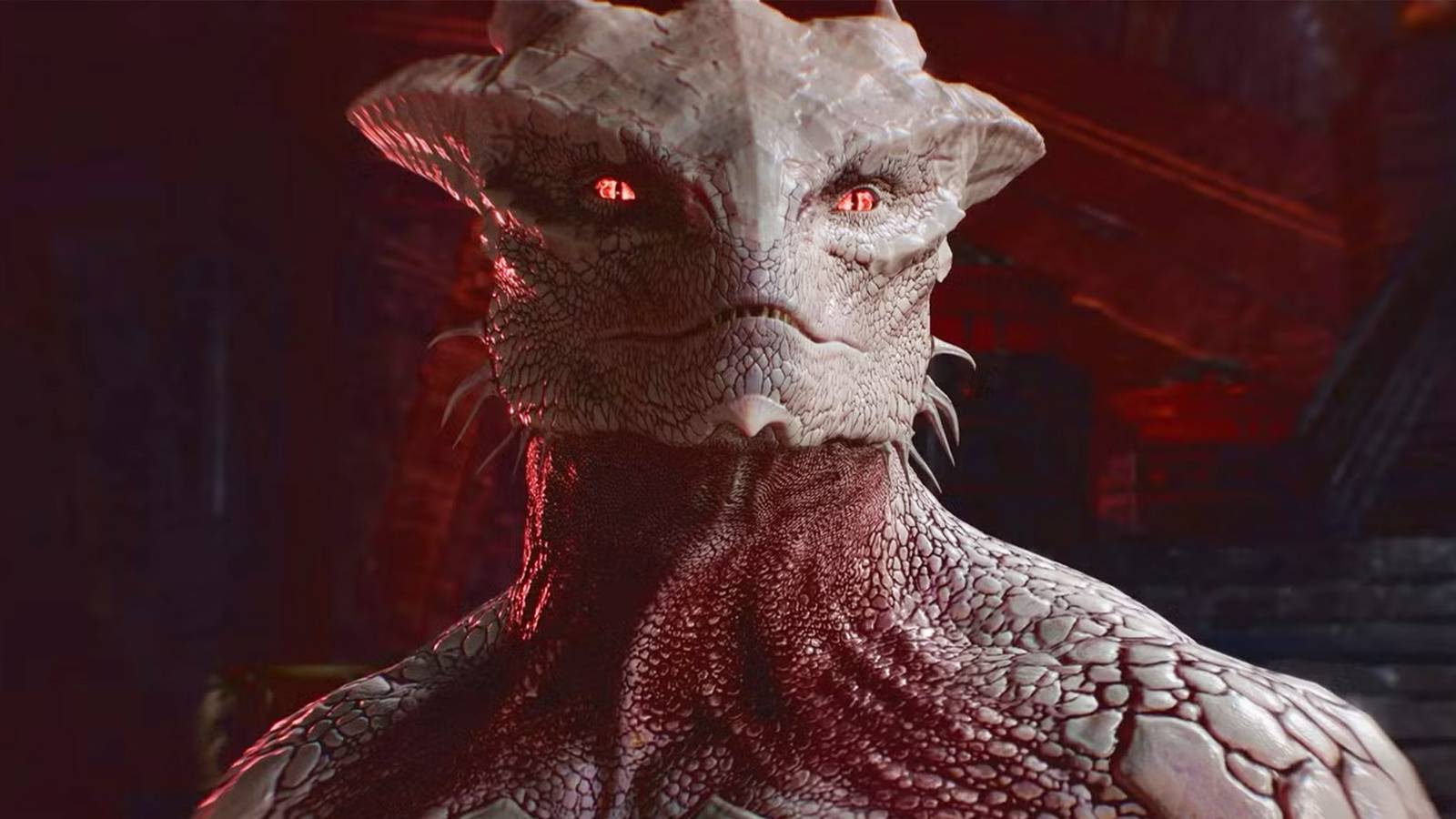
Baldur's Gate 3 is a game that celebrates player freedom. Whether you spend hours crafting the perfect custom character or dive into the shoes of an Origin companion, there's no wrong way to play. But amid all that choice, one option stands out as the most rewarding—and it's one that too many players overlook: the Dark Urge.
Often dismissed as the "evil" playthrough, the Dark Urge is so much more than a path to chaos. While you can absolutely embrace its darkest instincts, the real magic happens when you resist them. A redeemed Dark Urge transforms Baldur's Gate 3 into a deeply personal story about identity, redemption, and the struggle to become something better than your past. Plus, you still get full access to the game's incredible character creator, which has only improved with native mod support on PC and console.
A Protagonist with Their Own Arc
Playing as Tav—the fully customizable hero—offers a blank slate. You decide their backstory, motivations, and reactions. That's perfect for many RPG fans, but it also means your character exists outside the emotional arcs that define the companions. Nearly every companion is wrestling with their past: Astarion confronts centuries of abuse, Shadowheart questions her erased memories, Gale grapples with ambition, and Karlach refuses to let her infernal engine define her. They all ask the same question: are we defined by our past or by the choices we make after it?
As Tav, you guide them toward answers, but your own character remains largely untouched by that central theme. The redeemed Dark Urge changes everything. Suddenly, you're not just the party's emotional anchor—you're fighting the same battle alongside them. Your protagonist is another person trying to escape the worst version of themselves, making every companion interaction feel more earned and meaningful.
Resistance Is More Compelling Than Surrender
It's easy to see why players assume the Dark Urge is for evil runs. The premise practically invites it, and some of the game's most shocking moments come from giving in. But the more surprising experience is refusing those impulses. Choosing compassion as Tav is satisfying, but those decisions come from your own role-playing. A redeemed Dark Urge adds another layer: every act of kindness becomes an active rejection of the life your character was meant to lead.
That struggle gives even small moments emotional weight. Conversations with companions become opportunities to reveal vulnerability. Friendships feel earned because they're built on trust despite your character's fear of what they're capable of. Romantic relationships carry a similar power, serving as reminders that someone believes you're more than your worst impulses. Without venturing into spoiler territory, the game's biggest revelations also hit harder through the Dark Urge, tying the protagonist directly into the larger conflict instead of leaving them as a bystander.
The Dark Urge Completes the Game's Biggest Theme
At its heart, Baldur's Gate 3 is about characters reclaiming control over their own lives. Whether escaping an abusive master, questioning lifelong beliefs, or refusing to let others dictate their future, the game repeatedly asks whether people are defined by where they came from or by the choices they make next. A redeemed Dark Urge doesn't just witness those stories—they become the clearest expression of that idea.
That's what makes a redeemed Dark Urge playthrough so different from a standard Tav run. The companions' struggles no longer exist alongside yours; they mirror them. Their victories resonate more because your character is chasing the same kind of freedom, and their encouragement carries more weight because they recognize pieces of themselves in you. If you've already explored the Sword Coast as Tav, consider giving the Dark Urge a chance—especially if you're ready for a story that feels perfectly aligned with the themes that make Baldur's Gate 3 unforgettable.
For more on the world of Baldur's Gate, check out our coverage of the surprise patch for the Enhanced Edition and the upcoming TV series adaptation.