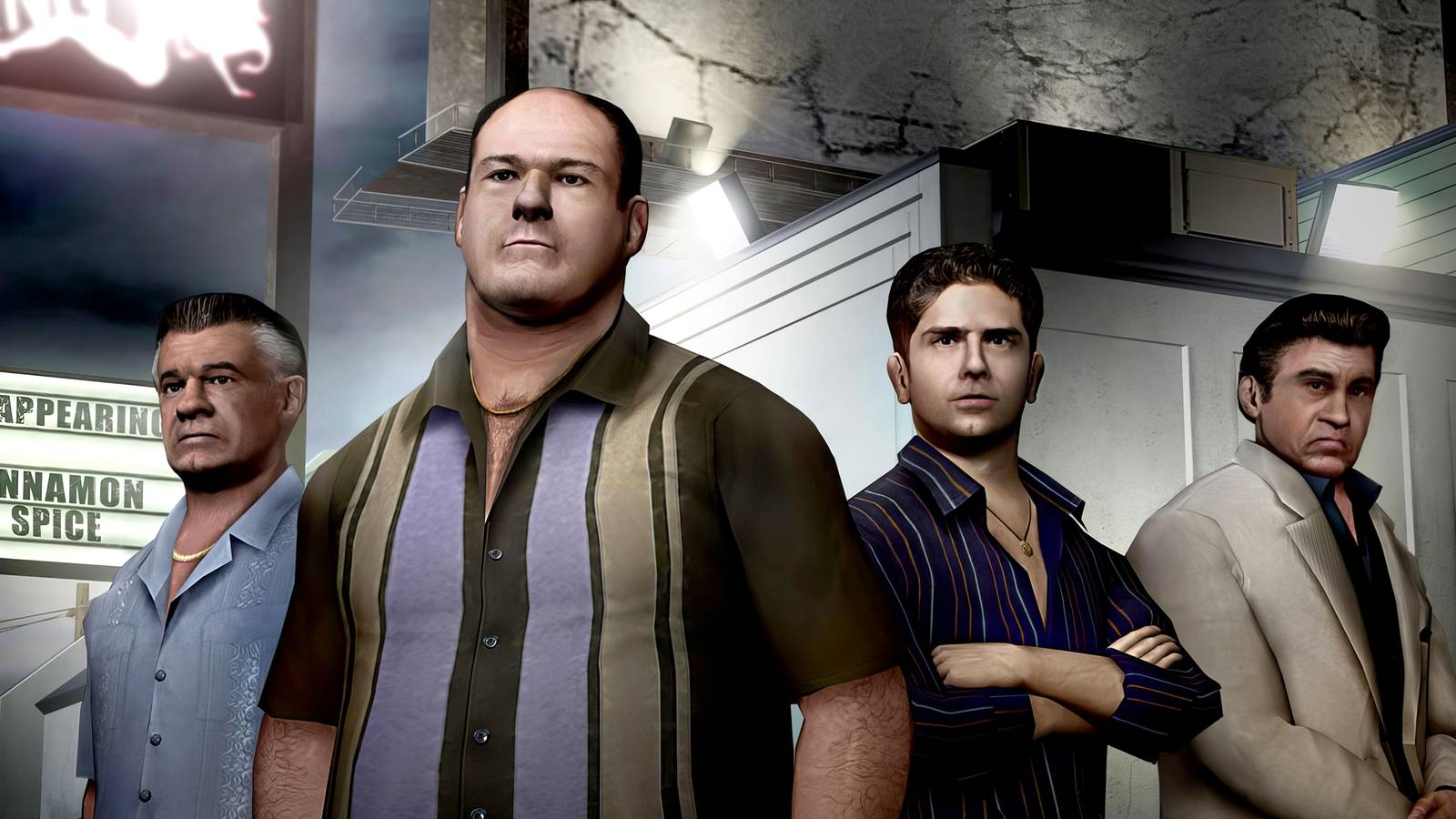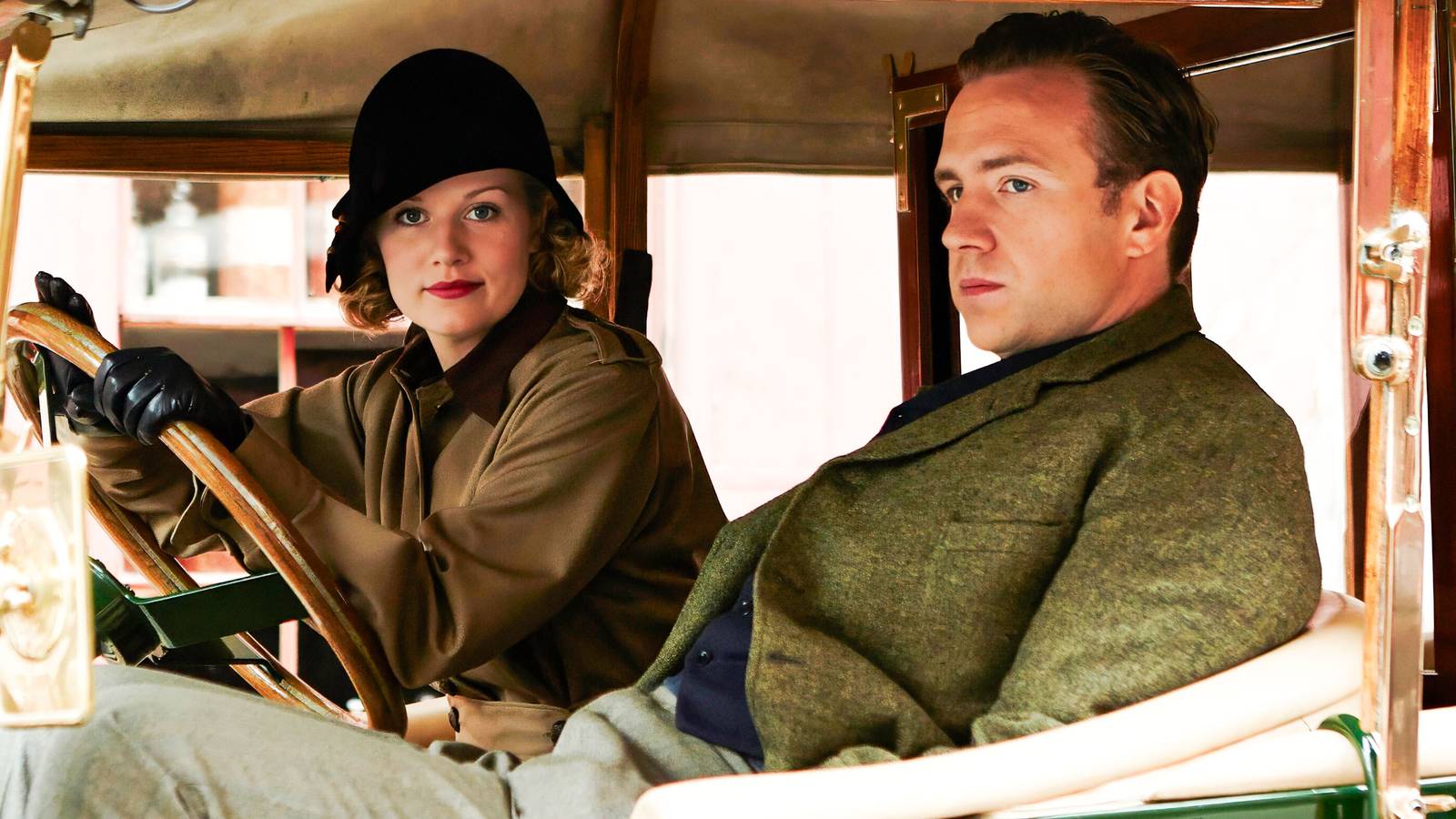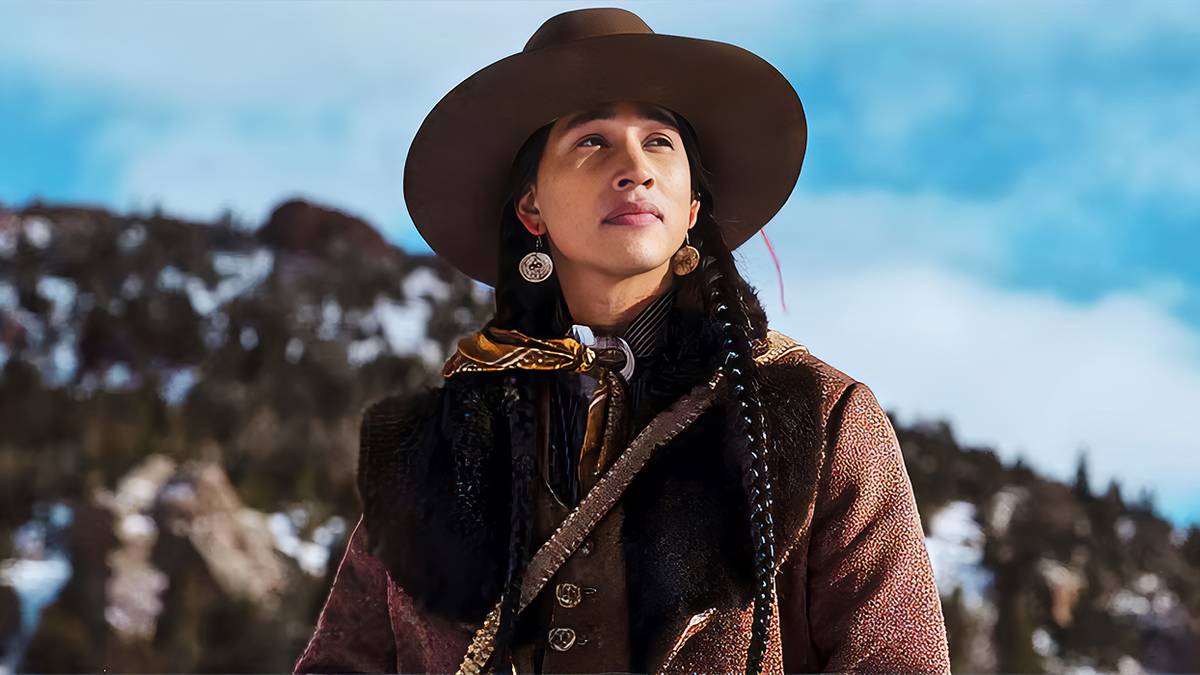
When Taylor Sheridan's Yellowstone first galloped onto Paramount Network in the summer of 2018, few predicted it would become a cultural juggernaut. Initial reviews were lukewarm at best, but audiences quickly embraced the gritty Montana ranch drama. By its third season, it was one of the most-watched shows in America, and when it concluded its five-season run in December 2024, it had cemented its legacy as a defining series of the decade.
Love it or hate it, Yellowstone's impact is undeniable. Sheridan, who had already made a name for himself as the screenwriter behind Sicario, Hell or High Water, and Wind River, became one of Hollywood's most in-demand creators. His expanding universe—including prequels 1883 and 1923, as well as spin-offs like Mayor of Kingstown and Tulsa King—has kept audiences hungry for more. Yet even as his empire grows, nothing has truly replaced the original series' reach or cultural footprint.
The Western's Enduring Appeal
To understand Yellowstone's success is to understand America's enduring love affair with the Western. The genre, born from post-Civil War myths, has been retold for generations, influencing everything from science fiction to international cinema. Films like Stagecoach, The Searchers, and True Grit remain touchstones, and their themes—freedom, family, vengeance, justice—still resonate deeply.
Sheridan taps into that mythology with a modern twist. The Duttons are a family fighting to preserve their way of life against encroaching developers, politicians, and even their own demons. The show doesn't shy away from the darker aspects of the West: the mistreatment of Native Americans, the brutal realities of ranch life, and the moral compromises that come with power. It's this unflinching honesty that sets Yellowstone apart and has opened doors for more nuanced Western stories.
Kevin Costner's Return to the Saddle
Central to the show's appeal is Kevin Costner, whose portrayal of patriarch John Dutton brought a gravitas that only a seasoned Western star could. Costner, known for Dances With Wolves, Open Range, and Wyatt Earp, anchored the series with a performance that felt both iconic and deeply human. His presence drew in viewers who might have otherwise overlooked a cable drama, and his chemistry with the ensemble cast—including Kelly Reilly, Luke Grimes, and Wes Bentley—made the Dutton family saga compulsively watchable.
Interestingly, the show's popularity has also sparked real-world tensions in Montana, where the influx of tourists and new residents has mirrored the very conflicts the Duttons face. It's a testament to the show's power that its fictional battles have become a lens through which we examine our own.
A Legacy That Endures
Eight years on, Yellowstone remains the gold standard for modern Westerns. Its influence can be seen in the surge of similar projects, from supernatural Westerns finding new life on streaming to the expansion of Sheridan's universe into video games. Even as new shows emerge, none have matched the cultural resonance of the original.
What does Yellowstone's popularity say about America? Perhaps that we're still captivated by the myth of the frontier—the idea that there's a place where family, land, and honor are worth fighting for, even if the cost is steep. Sheridan has given us a modern epic that speaks to our deepest desires and fears, and that's why it will be remembered as one of the greatest TV shows of its time.
As the Dutton saga continues to expand, one thing is clear: Taylor Sheridan didn't just revive the Western—he redefined it for a new generation. And we're all the richer for it.