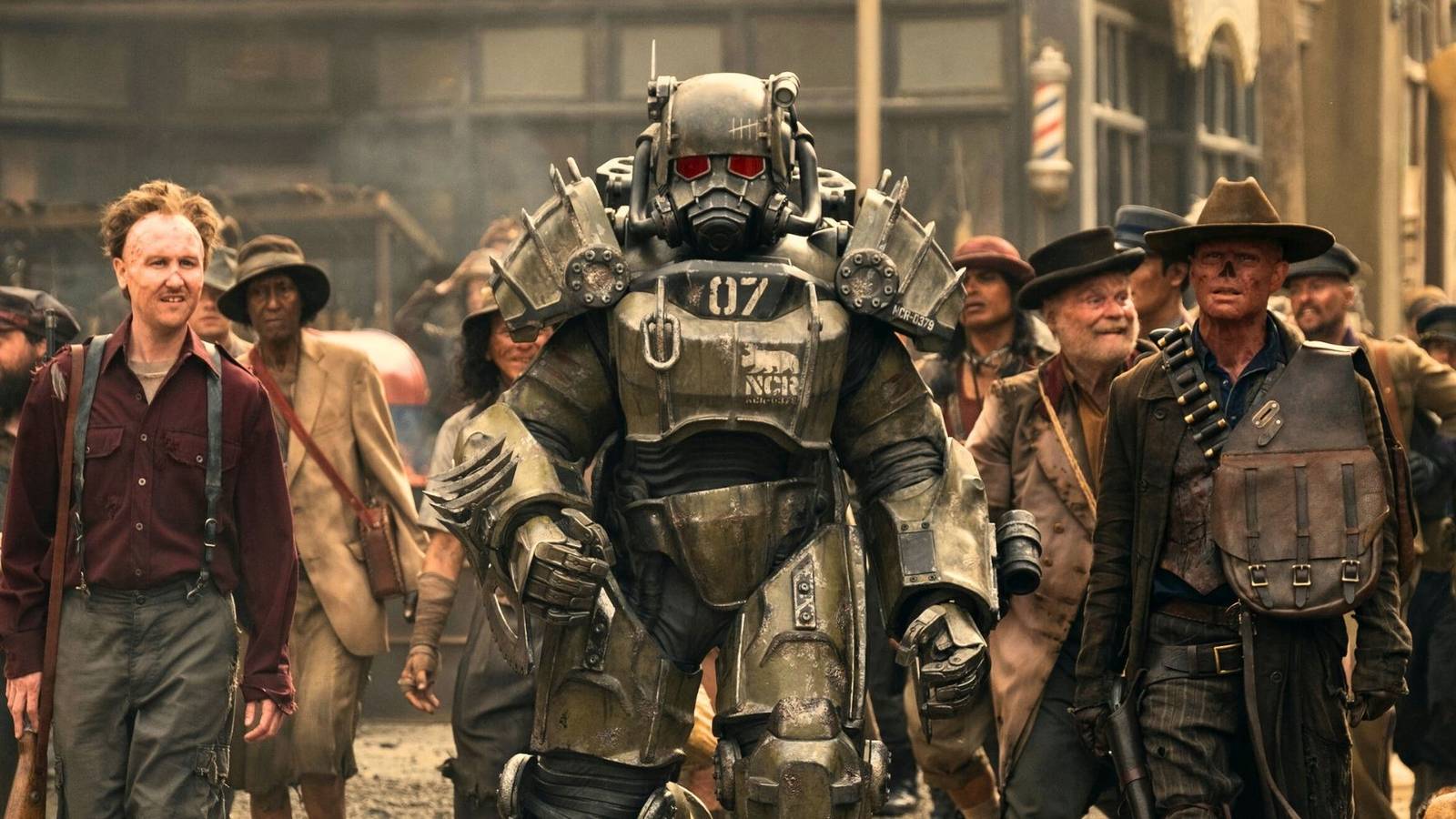
The landscape of video game adaptations has shifted dramatically in recent years. Once a graveyard of disappointing films and forgettable shows, the genre has found new life on the small screen. Hits like Fallout, The Last of Us, and Twisted Metal have demonstrated that with the right creative team and budget, these stories can resonate with both gamers and general audiences alike. Even upcoming projects like God of War and Mass Effect are generating buzz, signaling that Hollywood is finally taking gaming IP seriously.
Yet amidst this renaissance, one of the most iconic first-person shooter franchises in history remains conspicuously absent from the live-action adaptation boom: DOOM. Despite two theatrical attempts that failed to capture the essence of the games, the time is ripe for a television series that could give DOOM the Fallout treatment—a faithful, gritty, and expansive adaptation that honors the source material while appealing to a broad audience.

The Legacy of DOOM
Since its 1993 debut, DOOM has been a cornerstone of gaming. It revolutionized 3D graphics and defined the FPS genre, spawning countless imitators. The premise is deceptively simple: a lone marine, later known as the Doom Slayer, battles demonic hordes that have invaded Mars through experimental teleportation portals. Over the years, the franchise has evolved, with the 2016 reboot and its sequels DOOM Eternal and DOOM: The Dark Ages expanding the lore significantly. Under the guidance of Hugo Martin, these modern entries added depth to the Doom Slayer's backstory, transforming him from a silent protagonist into a prophesied warrior with a tragic past.
Lessons from The Mandalorian
Any DOOM TV series would be wise to study The Mandalorian rather than Paramount+'s Halo. The Mandalorian proved that a helmeted hero can carry a show without ever revealing their face, relying on physicality and stoic presence. The Doom Slayer is similarly iconic—his armor is as recognizable as any superhero's costume. A series should keep his face hidden, letting his actions and the world around him tell the story. This approach would also allow the show to explore the character's inner turmoil and the events that forged him into a relentless demon-killing machine, including the loss of his pet rabbit Daisy, which has become a poignant piece of DOOM lore.
Thematic Depth and Timely Commentary
Beyond the action, DOOM offers rich thematic material. The machinations of the Union Aerospace Corporation and figures like Samuel Hayden and Olivia Pierce, who recklessly exploit Argent energy, provide a canvas for commentary on corporate greed and the dangers of unchecked ambition. The demonic invasion of Mars and Earth can be seen as a metaphor for humanity's hubris, akin to the cautionary tales in Terminator 2: Judgment Day. A TV series could delve into these themes, elevating the source material beyond simple shoot-em-up spectacle.
With the success of Fallout and the growing appetite for high-quality video game adaptations, DOOM is a natural candidate for the next big streaming hit. Microsoft, id Software, and Bethesda should seize this opportunity to pitch a series that finally does justice to the franchise. The fans have waited long enough—it's time for the Doom Slayer to get his due on screen.