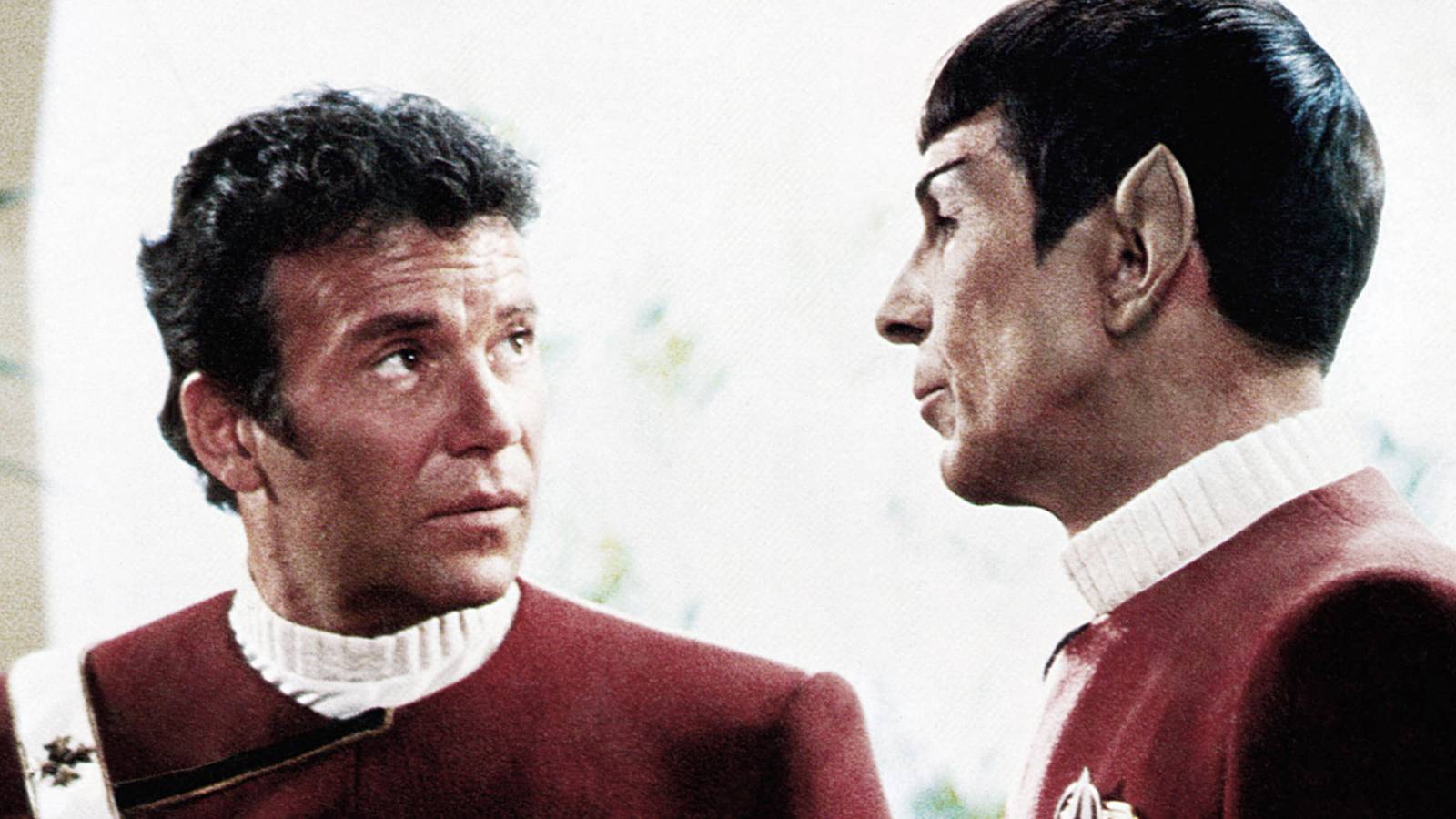
When you think of Spock, you probably picture the Vulcan salute or hear the words 'Live long and prosper.' But as iconic as those are, they don't capture the depth of Leonard Nimoy's character like one unforgettable moment from Star Trek II: The Wrath of Khan. That film gave us a line that transcends the franchise: 'The needs of the many outweigh the needs of the few.' It's a quote that's often misused in pop culture, but in its original context, it's a masterclass in selflessness and Vulcan philosophy.
Spock's Sacrifice in 'The Wrath of Khan'
In the movie, Spock delivers the line twice, and each time it's tied directly to his arc. First, he tells Admiral Kirk that he should take command of the Enterprise during a crisis, arguing that the needs of the many (the crew and mission) outweigh the needs of the few (Spock's own authority). Kirk completes the thought with 'Or the one.' Later, when Khan's attack leaves the ship's warp drive damaged and flooding with radiation, Spock enters the engine room to save the crew, sacrificing himself. In his final moments, he and Kirk recite the quote again, but this time Spock finishes with 'The one.' It's a poignant reversal that underscores his choice.

This moment is often misunderstood outside of Star Trek fandom. Many use the line to justify unfair decisions that benefit the majority at the expense of minorities. But Spock's sacrifice is about personal selflessness, not imposing will on others. He sees himself as the minority—the one who must give everything for the many.
The Vulcan Philosophy Behind the Quote
To truly grasp the line, you have to understand Vulcan ethics. Vulcans are deeply emotional beings who've spent millennia learning to suppress their feelings through logic. Their utilitarian philosophy—the greatest good for the greatest number—isn't about moral superiority; it's about survival. A single individual's unchecked emotions could endanger the entire species. So when Spock says 'the needs of the many,' he's acting out of a cultural imperative to protect the collective, not out of cold calculation.
Interestingly, the very next film, Star Trek III: The Search for Spock, flips the quote on its head. Kirk and his crew risk everything to bring Spock back, proving that sometimes the needs of the one do matter. Spock even left a 'fail-safe' because he understood that his sacrifice was circumstantial, not an absolute truth. Deep down, we all know that saving everyone is the ideal, and Spock would agree.
This moral complexity is what makes 'The needs of the many' the greatest quote in sci-fi. It's simple yet profound, forcing us to question our own ethics. Star Trek excels at this kind of provocation, and Spock's line remains its finest example. For more on iconic sci-fi moments, check out our ranking of sci-fi's most iconic villains.
And if you're curious about other legendary quotes, see why Andy Bernard's 'Good Old Days' quote in The Office finale still breaks us.