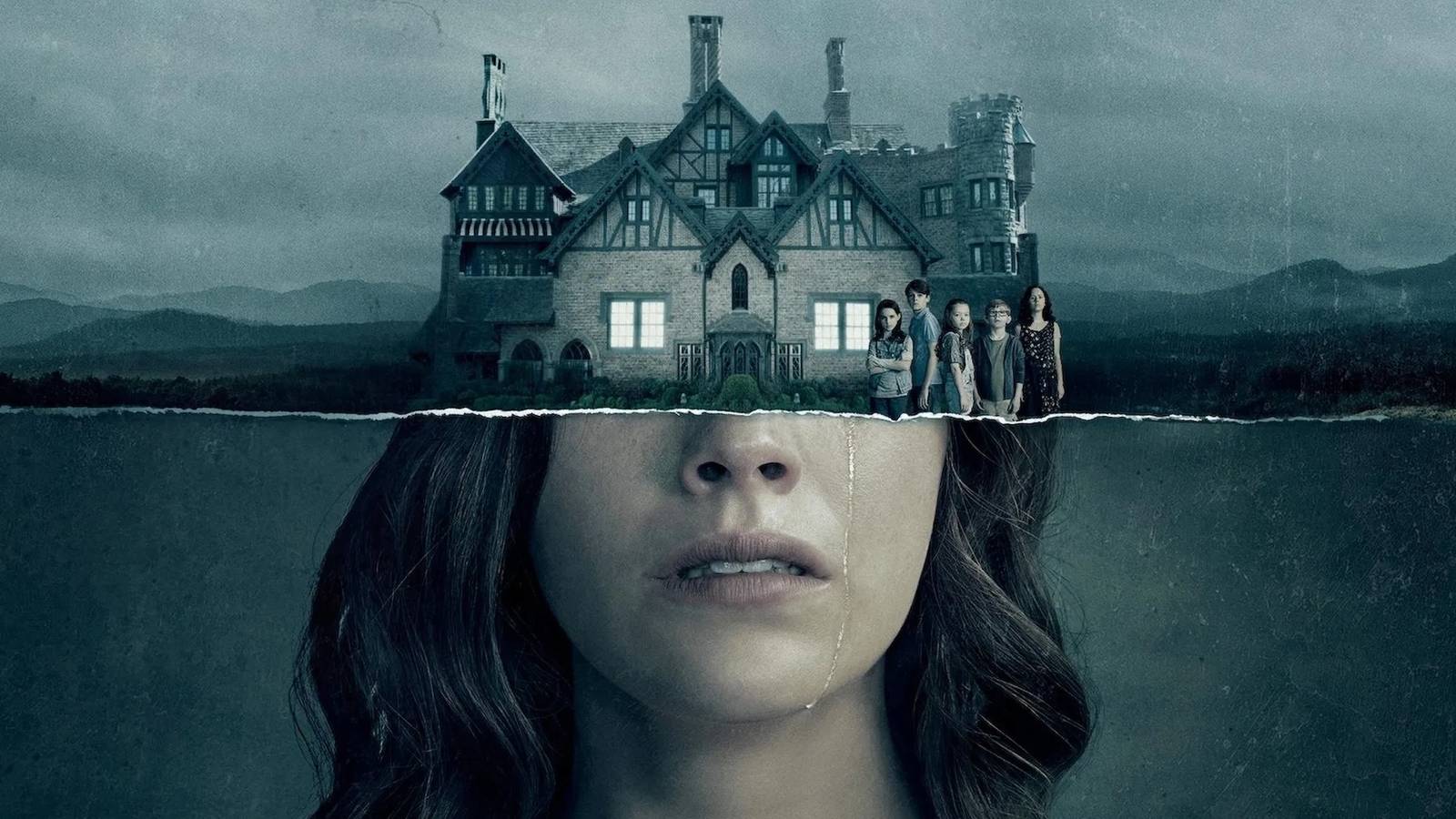
Shirley Jackson's The Haunting of Hill House is often hailed as a pinnacle of Gothic horror, a ghost story so finely tuned that it feels almost supernatural itself. Yet for all its acclaim, Jackson's final novel, We Have Always Lived in the Castle, may be her most disturbing achievement. It's a book that swaps spectral apparitions for something far more intimate and unsettling: the darkness that resides in the human heart.
Set in a decaying mansion on the edge of a small town, the story follows the Blackwood sisters—Merricat, the wild and superstitious narrator, and Constance, the agoraphobic caregiver—along with their frail Uncle Julian. Six years earlier, a mass arsenic poisoning wiped out most of the family, and Constance was acquitted of the crime. The townspeople have never forgiven them, and the sisters live in self-imposed exile, protected by Merricat's magical rituals and fierce vigilance.
Jackson's genius here is in crafting a Gothic nightmare without a single ghost. The horror is rooted in the everyday: the venom of small-town gossip, the suffocating bonds of family, and the quiet violence of societal rejection. The Blackwood house becomes a prison and a sanctuary, a place where love curdles into obsession and safety morphs into entrapment.
At the center of this psychological storm is Merricat, one of horror's most compelling protagonists. She's a bundle of contradictions—childlike yet ancient, whimsical yet ruthless. Her devotion to Constance is absolute, but so is her capacity for vengeance. Through her first-person narration, Jackson pulls readers into a world where morality is blurred and sympathy is a dangerous game.
Constance, meanwhile, is torn between the comfort of her self-made cage and the terrifying prospect of stepping beyond it. Her relationship with Merricat is both tender and toxic, a bond forged in shared trauma and unspoken guilt. Jackson's portrayal of these two women is a masterclass in character study, revealing how love can be both a lifeline and a noose.
The novel's tension escalates with the arrival of cousin Charles, a charming interloper who threatens to shatter the sisters' fragile equilibrium. Merricat sees him as a predator, and her attempts to repel him set off a chain of events that culminates in a devastating climax. The ending, while bleak, carries a strange, twisted satisfaction—a sense that the sisters have finally achieved the isolation they so desperately craved.
Jackson's prose is as bewitching as ever, weaving lush descriptions with a creeping sense of dread. She builds suspense not through jump scares but through the slow, inexorable unraveling of her characters' psyches. The result is a novel that lingers long after the final page, a testament to Jackson's unparalleled ability to explore the darkest corners of the human experience.
For those new to Jackson's work, We Have Always Lived in the Castle is an essential read, a perfect companion to her more famous haunted house tale. It's a story that proves the most terrifying ghosts are the ones we carry inside us. And for fans of literary horror, it's a reminder of why Jackson remains a towering figure in the genre.