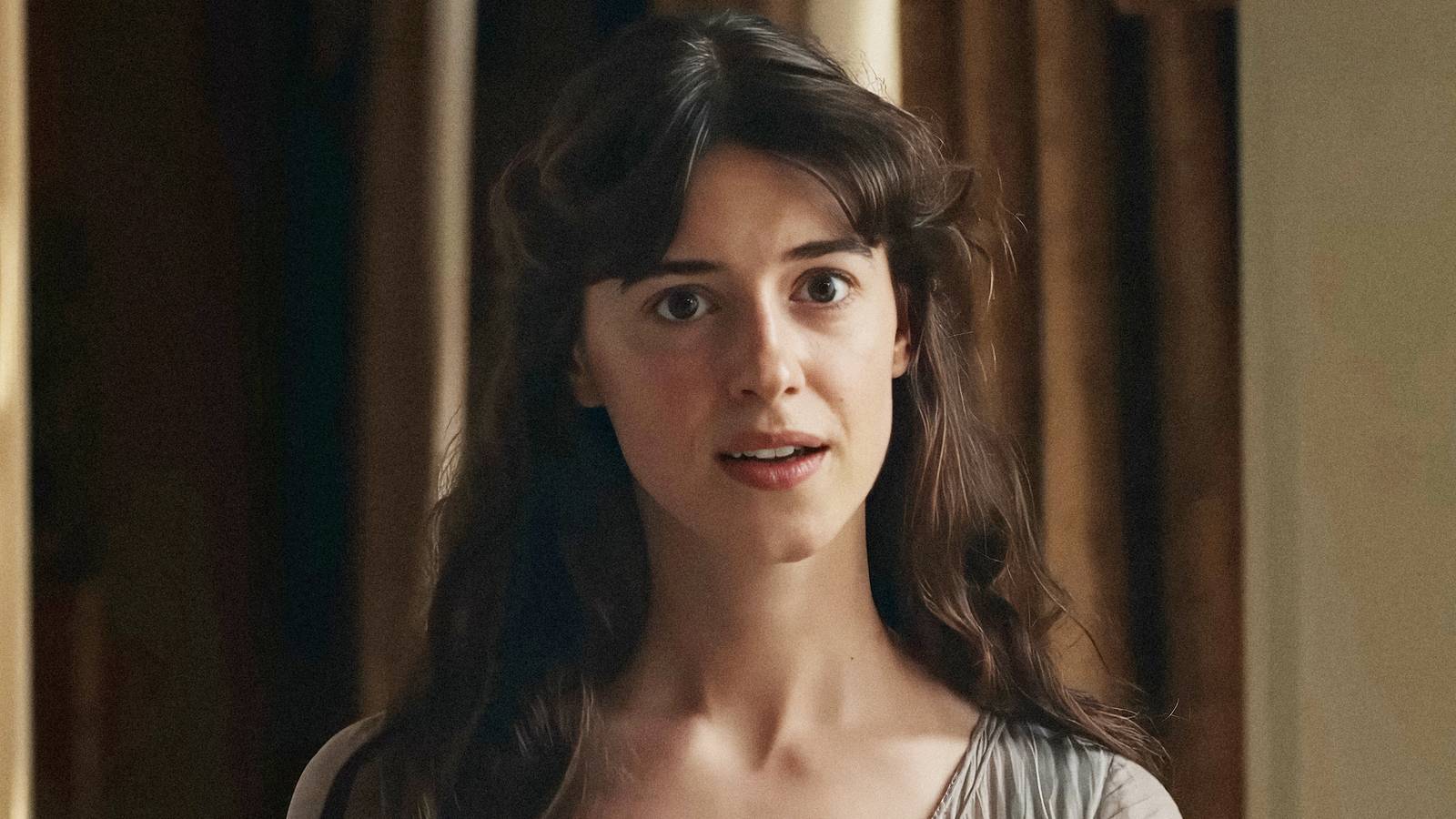
Jane Austen's beloved novel Sense and Sensibility is returning to the big screen this October, with Daisy Edgar-Jones and Esme Creed-Miles stepping into the roles of the Dashwood sisters. The film, directed by Georgia Oakley, promises a fresh take on the classic tale of love, heartbreak, and sisterhood. But when the trailer dropped in June, it wasn't just the romance that had people talking—it was the hair.
In the trailer, Elinor and Marianne are frequently seen with their hair flowing loose, a style that would have been considered scandalous in the late 18th century, when the story is set. During the Regency era, women's hair was almost always pinned up in public, a sign of propriety and social standing. Even for the financially strapped Dashwood sisters, appearing with unbound hair would have been unthinkable. This choice has reignited a long-running debate: should period pieces prioritize historical accuracy, or can directors take creative liberties for the sake of their vision?
The Great Historical Accuracy Debate
Period films often serve as a gateway for audiences to explore different eras, and many viewers assume that what they see on screen is a faithful representation of the past. But as any historian will tell you, filmmaking is not the same as documentary. The 1995 adaptation of Sense and Sensibility, for instance, adhered strictly to the hair-up rule, but the 2026 version has chosen to break with that tradition. This has led some to worry that such liberties could set a precedent, allowing future filmmakers to distort history further.
Yet, historical inaccuracy is hardly new. From Marie Antoinette to Gladiator, Hollywood has a long history of bending the rules of the past. Costume and set designers invest immense effort into crafting the look of a film, and their choices are often deliberate, serving the story's emotional tone or the director's artistic vision. In the case of Sense and Sensibility, the loose hair might be a way to make the characters feel more relatable to modern audiences, who are used to seeing women with flowing locks.
Modern Beauty Standards in Period Pieces
There's a noticeable trend in recent period dramas to incorporate contemporary beauty ideals. Whether it's a hint of modern makeup or a more relaxed hairstyle, these choices can help bridge the gap between the past and the present. For Sense and Sensibility, the decision to let the sisters' hair down could be seen as an attempt to emphasize their youth and free-spiritedness, particularly for Marianne, who is known for her passionate nature.
But critics argue that such choices undermine the very essence of the era. Fashion in the 18th century was not just about aesthetics; it was a reflection of societal norms and the limited agency women had. By ignoring these details, filmmakers risk erasing the historical context that makes Austen's story so compelling. For those who love sweeping historical novels, these nuances matter.
Artistic License vs. Historical Truth
Ultimately, the question comes down to what we expect from period pieces. Are they meant to be educational, or are they primarily entertainment? Filmmakers are storytellers, not historians, and their primary goal is to craft a compelling narrative. As the success of other historical hits shows, audiences are often willing to forgive inaccuracies if the story resonates.
In the end, the 2026 Sense and Sensibility is a work of fiction, and its creators have the right to make choices that serve their artistic vision. While some may lament the loss of strict historical fidelity, others will appreciate the fresh perspective. As with any adaptation, the true test is whether it captures the spirit of Austen's work—and if the trailer is any indication, this film is poised to do just that.