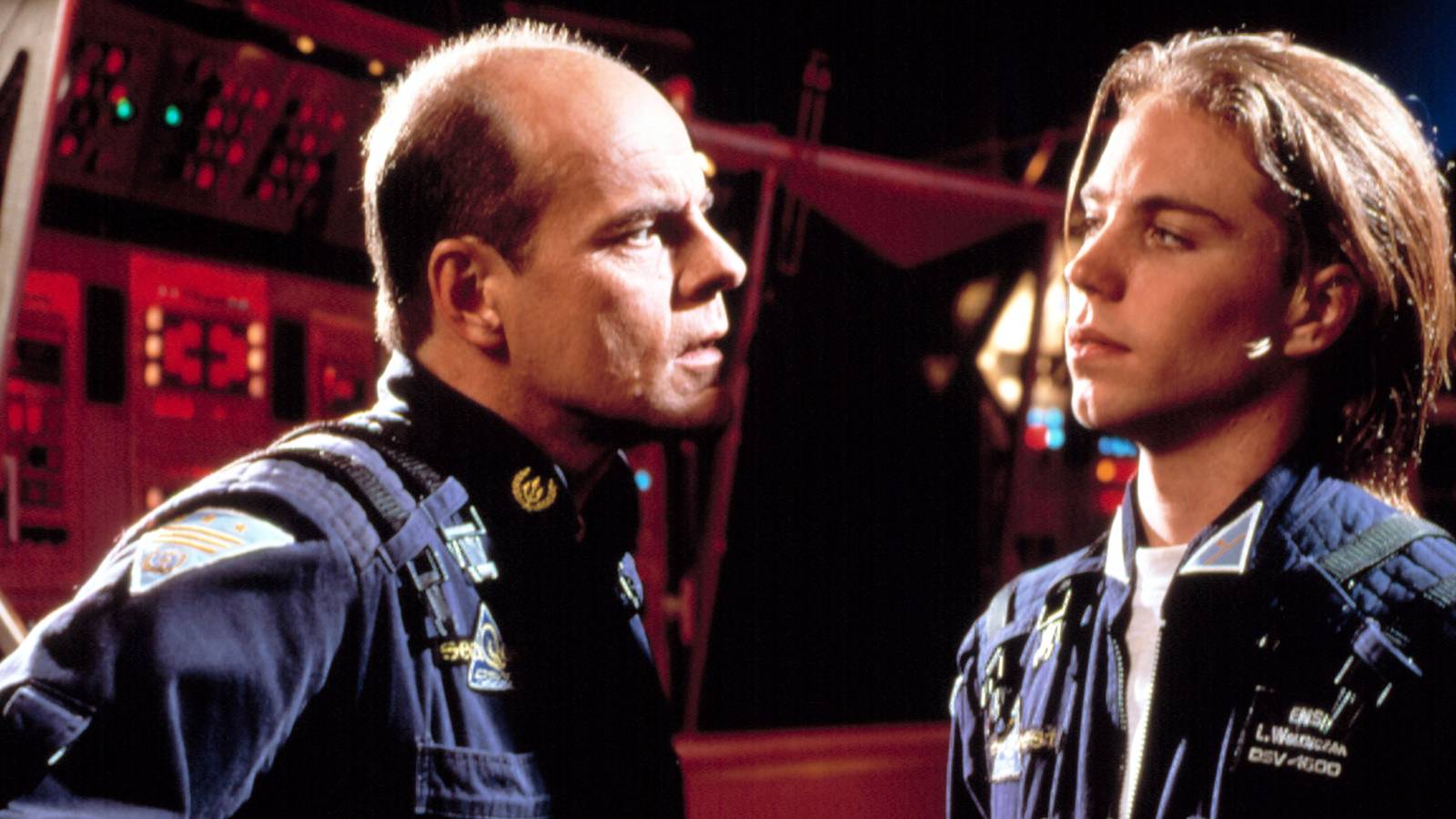
Everybody remembers the dolphin. That's the deal SeaQuest DSV made with TV history. Mention the show now, and someone will bring up Darwin before any human character gets a look-in. But if you revisit this 1990s sci-fi series expecting a nostalgia trip, you'll be shocked by what else surfaces: storylines about environmental collapse, resource wars, and people making disastrous choices for profit. The dolphin, it turns out, is the least interesting part.
At its core, SeaQuest DSV was a disaster series disguised as a futuristic adventure. After trashing the Earth's surface, humanity takes its bad habits underwater—governments fight over resources, corporations chase profits, scientists warn of impending doom, and nobody thinks long-term. In 1993, this felt like speculative fiction. Today, it sounds like a cable news debate.

Predicting Human Behavior, Not Technology
In 2026, it's hard to imagine a show like SeaQuest DSV getting made. Roy Scheider captains a giant submarine while a teenage prodigy helps run things. Governments battle over underwater resources as scientists wave red flags. And yes, there's a talking dolphin. Yet somehow, the series turns these ingredients into something far more grounded than it has any right to be. That's why so much of it still resonates. Plenty of sci-fi shows show off the future; SeaQuest showed off the past disguised as the future. Technology changed, the location changed, but humanity stayed the same.
Looking back, some of the future tech is hilarious. The Twiddler—a one-handed keyboard-and-mouse combo used to communicate with Darwin—looks like it belongs alongside pagers and Betamax. The fashion occasionally resembles a failed attempt to invent tomorrow using a 1994 department store catalog. Yet the show's worries about environmental damage, global crises, and technological overconfidence remain uncomfortably current. For a deeper dive into how sci-fi tackles these themes, check out how Apple TV's 'For All Mankind' became a modern sci-fi classic.
Captain Bridger: The Weary Realist We Need
That may be why Roy Scheider's Captain Nathan Bridger holds up so well. Most sci-fi captains are built to inspire—they give speeches, charge toward the future, and act like humanity has finally figured itself out. Bridger looks like a man who's watched humanity make the same mistake several times and suspects everyone is about to do it again. Scheider plays him with the weary patience of someone constantly surrounded by people who mistake confidence for wisdom. He's not trying to conquer new worlds; he's usually trying to stop someone from creating a fresh disaster with an old, bad idea.
Take the episode "Higher Power," which kicks off with a grand plan to give the world unlimited energy by tapping directly into the Earth's core. It sounds exactly like the sort of idea that should come with warning labels and a government ban. Sure enough, everything goes sideways, the planet pays the price, and Bridger ends up dealing with the fallout after someone else's brilliant idea turns out to be spectacularly dumb. It's a pattern that feels all too familiar in an era of climate debates and resource conflicts.
Granted, the special effects are very much products of their era. Some episodes are gloriously strange. In "The Regulator," William Shatner appears as a holographic AI therapist capable of analyzing and interacting with the crew as though he were a living person. Thirty years later, people are still arguing with chatbots, while SeaQuest imagined emotionally intuitive AI wandering the halls of a submarine. For another example of sci-fi that aged surprisingly well, see why DC's 'Human Target' remains its best TV adaptation.
A Durable Idea
Yet beneath all the dolphins, submarines, and underwater politics sits a surprisingly durable idea: Technology changes while humanity stays the same. That's the part that sticks with you, not the futuristic gadgets or the underwater world or even Darwin. The show understood that the biggest challenge facing the future wasn't inventing new technology—it was convincing people to use it without repeating all the mistakes they made the first time around. In that sense, SeaQuest DSV isn't just aging like fine wine; it's becoming more relevant with every passing year. If you're looking for more shows that blend disaster and sci-fi, check out our list of top zombie disaster movies.