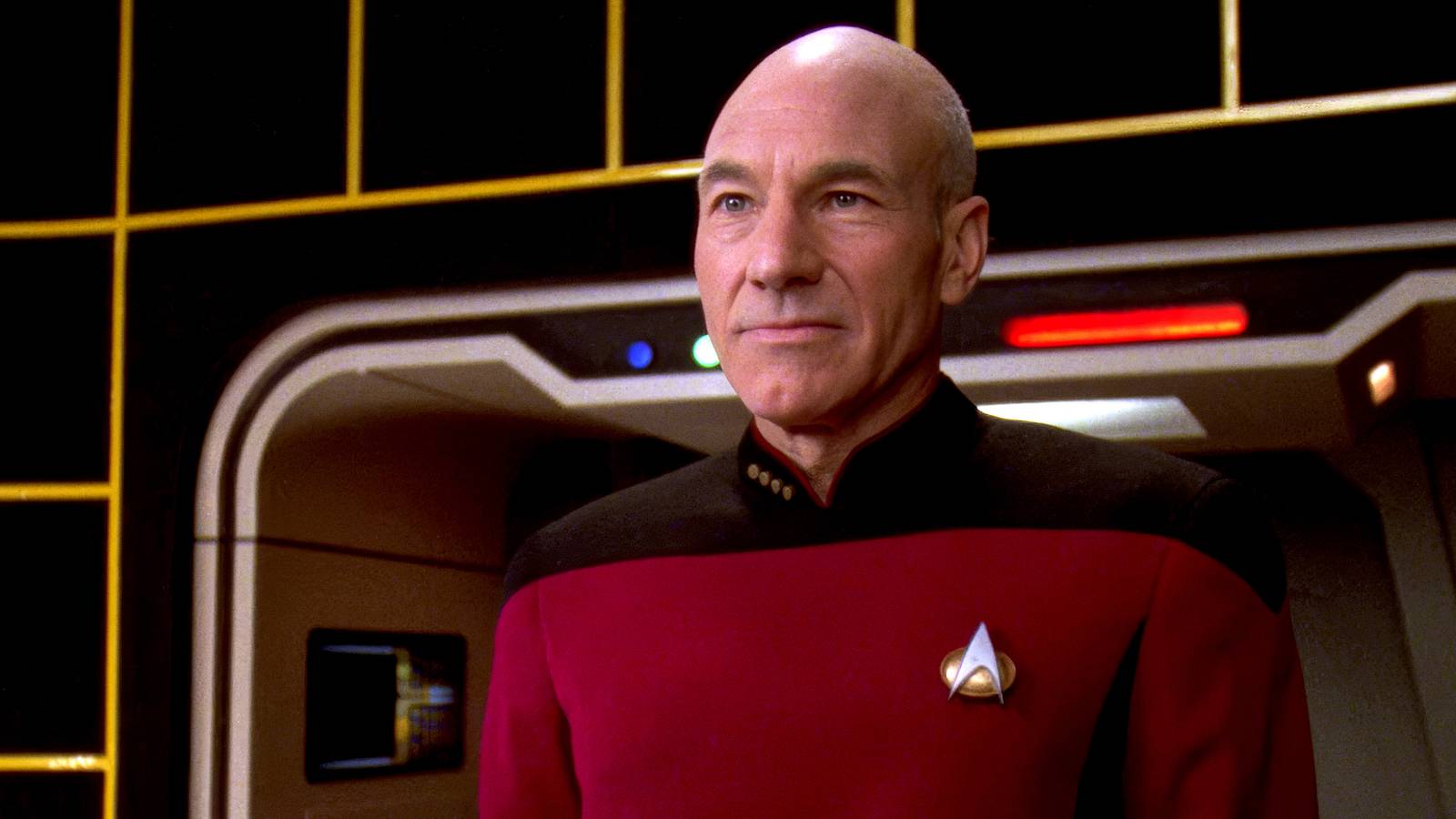
For over three decades, Star Trek: The Next Generation has stood as a beacon of thoughtful science fiction, but even its most ardent fans agree that one episode towers above the rest. Season 5's "The Inner Light" isn't just a fan favorite—it's the personal pick of Captain Jean-Luc Picard himself, Patrick Stewart. In a 2015 Reddit AMA, Stewart called the 1992 episode his favorite, citing the script's uniquely rewarding shake-up of the show's formula. But what makes this 34-year-old installment so special?
A Bold Departure from Starfleet Norms
At its core, "The Inner Light" is a radical experiment. When the Enterprise encounters a mysterious probe, Picard is struck unconscious and awakens on the planet Kataan as Kamin, a simple iron weaver. Over 40 years—compressed into 25 minutes of ship time—he lives an entire lifetime: marrying Eline, raising children, and playing the flute. The twist? Kataan's sun is dying, and the probe is a time capsule from a long-extinct civilization. Picard becomes the sole keeper of their memory.

This intimate character study flips the franchise's usual spacefaring spectacle for something deeply human. Instead of phasers and diplomacy, we watch Picard grapple with mortality, legacy, and the quiet joys of a life not his own. It's a masterclass in restraint, written by Morgan Gendel and directed by Peter Lauritson, who let the emotional beats breathe without sentimentality.
Why Stewart Calls It His Favorite
For Stewart, the episode's power lies in its transformation of Picard. Unlike the Borg assimilation arc, which left visible scars, "The Inner Light" reshapes the captain from within. Picard's core traits—his curiosity, altruism, and leadership—remain, but he discovers a capacity for domestic fulfillment he never knew he craved. The episode doesn't erase his Starfleet identity; it enriches it, showing that even a starship captain can nurture his inner light.
Stewart has often noted that the script allowed him to explore Picard's vulnerability in a way the series rarely did. The performance is devastating, from the quiet acceptance of Kamin's fate to the haunting final scene where Picard, back on the bridge, clutches the flute—a tangible relic of a life that never was. It's no wonder the episode won the Hugo Award for Best Dramatic Presentation and remains a benchmark for sci-fi storytelling.
A Legacy That Endures
"The Inner Light" isn't just a great Star Trek episode; it's a testament to what the genre can achieve when it prioritizes character over spectacle. For fans seeking similar masterpieces, ShowtimeSpot recommends checking out Ridley Scott's sci-fi masterpiece Alien or the 2020s' five true superhero masterpieces. But for a single, perfect hour of television, Picard's journey on Kataan remains unmatched.
As Stewart himself put it, the episode's "what if?" premise—what if Picard had lived a different life?—resonates because it asks us to consider our own choices. In a franchise built on exploration, "The Inner Light" reminds us that the most profound voyages are often inward.