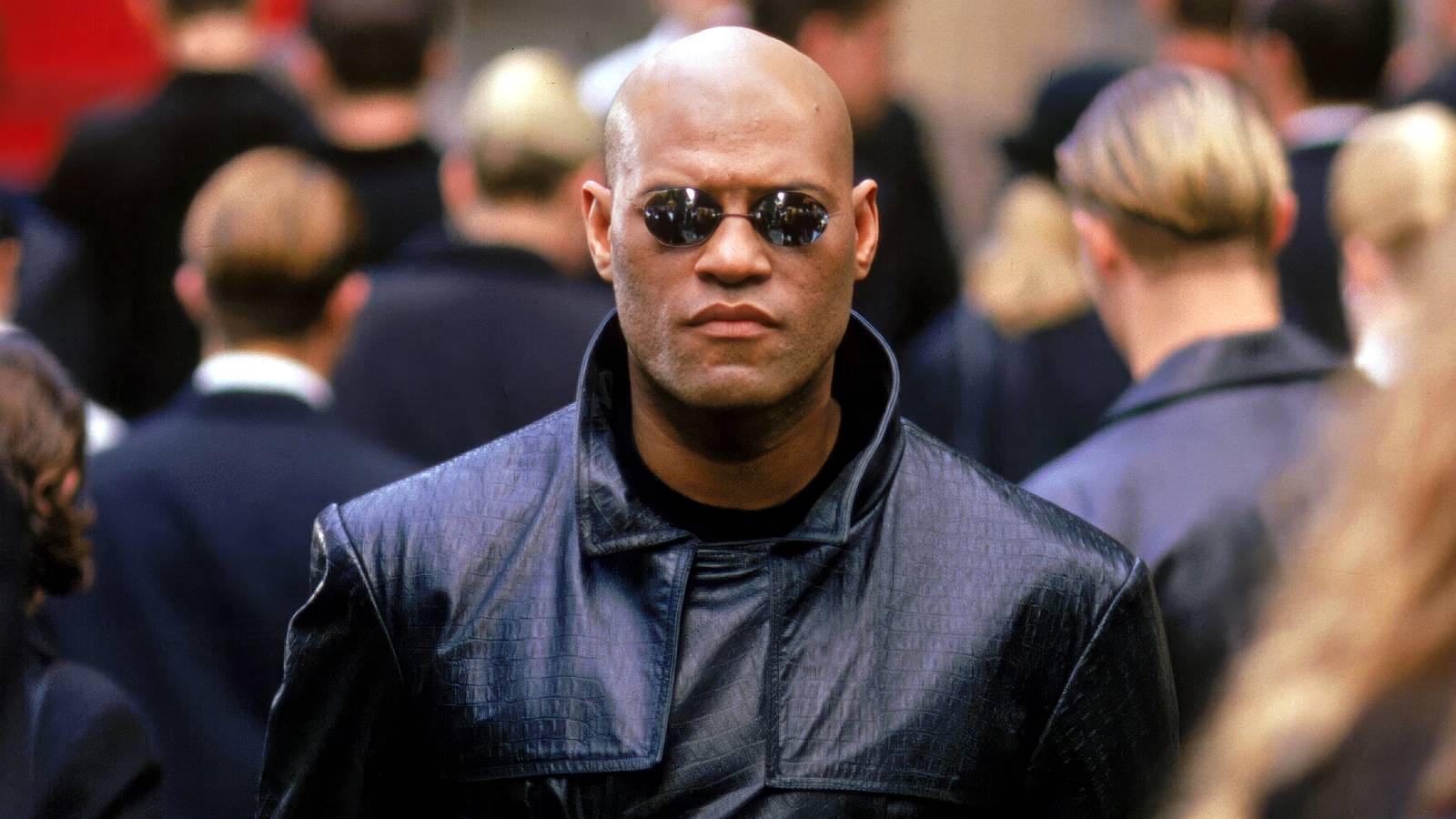
Science fiction has always been a playground for the imagination, offering audiences a chance to explore alien worlds, grapple with futuristic technologies, and confront the deepest questions about humanity. But what truly defines the genre are the films that broke new ground, challenged conventions, and left an indelible mark on cinema. From the silent era's Metropolis to the mind-bending The Matrix, these are the movies that shaped sci-fi as we know it.
Metropolis (1927)
Fritz Lang's Metropolis is a towering achievement of German Expressionism and widely considered the first feature-length sci-fi epic. Its stunning art deco visuals and prescient exploration of artificial intelligence set a template for countless films that followed. While modern audiences may find its silent format a challenge, its influence on everything from Blade Runner to Star Wars is undeniable. The film's famous line, "The Mediator Between the Head and the Hands Must Be the Heart," still resonates today.
The Day the Earth Stood Still (1951)
Robert Wise's classic first-contact story elevated B-movie material to profound philosophical heights. Released during the Cold War, it tapped into fears of nuclear annihilation while asking whether humanity is ready for cosmic companionship. The alien phrase "Klaatu barada nikto" became a pop culture touchstone, and the film's blend of suspense and social commentary influenced generations of sci-fi filmmakers. It's a must-see for anyone interested in how the genre can tackle real-world issues.
Forbidden Planet (1956)
Breaking away from the low-budget sci-fi of the 1950s, Forbidden Planet was a color spectacle that raised the bar for speculative fiction. It introduced Robby the Robot, an iconic character, and featured Oscar-nominated special effects. The film also pioneered the concept of faster-than-light travel piloted by humans, a staple of the genre ever since. Its blend of adventure and psychological depth helped legitimize sci-fi as serious cinema.
Planet of the Apes (1968)
Charlton Heston's astronaut crash-lands on a world where apes rule and humans are slaves, in a film that used its sci-fi setting to tackle issues of class and race. The shocking twist ending—revealing the planet is actually a future Earth destroyed by nuclear war—became a blueprint for genre storytelling. Planet of the Apes proved that blockbusters could be intelligent and socially relevant, paving the way for later dystopian classics.
2001: A Space Odyssey (1968)
Stanley Kubrick's 2001: A Space Odyssey redefined what sci-fi could achieve, blending stunning visuals, philosophical depth, and a haunting score. From the dawn of man to the enigmatic monoliths and the sentient computer HAL 9000, the film remains a touchstone for the genre. Its influence extends beyond cinema, inspiring everything from climate fiction to modern space exploration narratives. No list of defining sci-fi movies is complete without it.
These films, along with others like Blade Runner and The Matrix, continue to shape how we imagine the future. They remind us that sci-fi is not just about spaceships and robots—it's a mirror for our hopes, fears, and the endless possibilities of the human spirit.