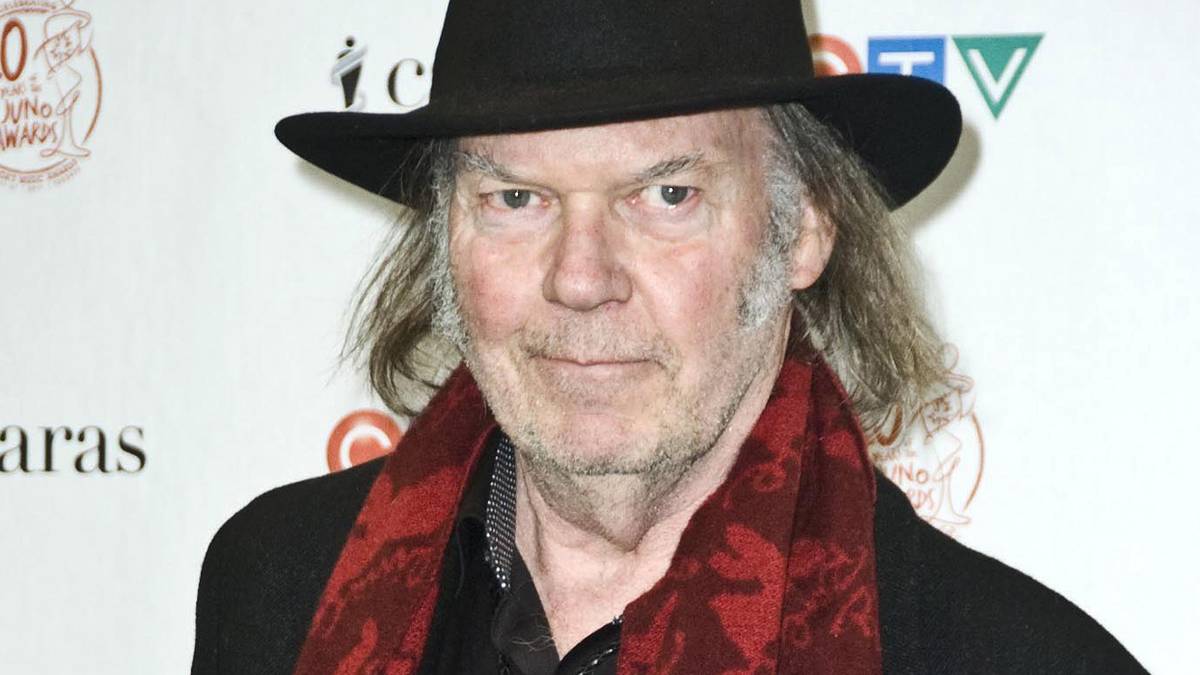
In the pantheon of protest songs, few have ever matched the raw, immediate power of Neil Young's "Ohio." Released in 1970 by Crosby, Stills, Nash & Young, the track was a direct response to the Kent State shootings, where Ohio National Guardsmen opened fire on unarmed student protesters, killing four and wounding nine. Young didn't wait months to craft a polished statement—he wrote the song almost instantly after seeing the tragic images in Life magazine, capturing a nation's shock and fury in under four minutes.
What sets "Ohio" apart from other protest anthems is its sense of urgency. While Bob Dylan, Creedence Clearwater Revival, and John Lennon all created politically charged songs, "Ohio" feels less like a studio creation and more like breaking news set to music. The opening lines—"Tin soldiers and Nixon coming / We're finally on our own"—were a bold, unprecedented attack on a sitting president at a time when most artists avoided direct political confrontation. Young's willingness to name names gave the song a visceral power that still resonates today.

The recording session itself reflected that urgency. Crosby, Stills, Nash, and Young gathered quickly, understanding that the song's impact depended on its timing. David Crosby's backing vocals sound genuinely shaken, while Stephen Stills' guitar work crackles with tension. Young didn't need poetic metaphors; the facts were horrifying enough. The result is a track that refuses to offer easy answers, instead channeling shock, grief, and anger into a musical gut punch.
Decades later, "Ohio" continues to echo modern conflicts. Its themes of government overreach and political division remain painfully relevant, allowing each generation to find new meaning in Young's raw honesty. Unlike Simon & Garfunkel's "Bridge Over Troubled Water," which offers comfort, "Ohio" demands attention. It's a song that doesn't soothe—it provokes, confronts, and refuses to let listeners look away.
Young's catalog includes timeless classics like "Heart of Gold," "Old Man," and "Harvest Moon," but none carry the historical weight of "Ohio." This song transformed him from a gifted songwriter into one of rock's most important voices, proving that music could respond to current events with the same emotional impact as journalism. It demonstrated that rock could deliver uncomfortable truths without sacrificing artistic quality.
More than 50 years after its release, "Ohio" still delivers the same emotional punch. It remains the gold standard for protest songs—a four-minute masterclass in turning national tragedy into art that demands to be heard. For those looking to explore other works that use raw emotion to deliver a message, check out our list of disturbing film masterpieces that use graphic violence to deliver a message. And if you're in the mood for more classic rock, don't miss our roundup of lightning-fast classics that still race ahead.