Jonathan Nolan has become something of a go-to guy for video game adaptations set in worlds on the brink. After co-creating Westworld and shepherding Prime Video's smash hit Fallout, he's now turning his attention to the Nazi-killing franchise Wolfenstein. Announced in 2025 with the tagline “The story of killing Nazis is evergreen,” the project will likely follow series protagonist William “B.J.” Blazkowicz through an alternate-history World War II, as seen in Wolfenstein: The New Order and its sequel Wolfenstein II: The New Colossus. But while Nolan has earned a reputation for bending video game worlds to his will, this new adaptation may demand a different approach entirely.
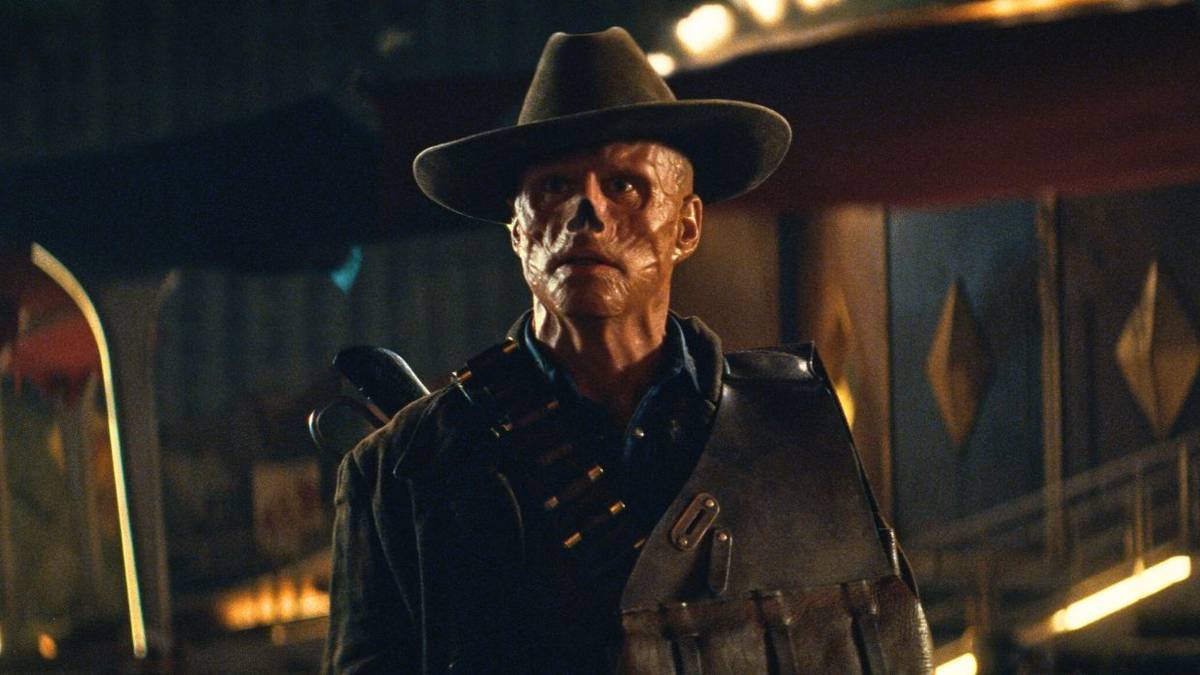
What made Fallout such a triumph was Nolan's willingness to treat the source material as a sandbox. The games are sprawling open-world adventures, and the Prime Video series leaned into that freedom, crafting an original story with new characters like Ella Purnell's Lucy and Walton Goggins's Ghoul. The show captured the franchise's retro-futuristic tone and dark humor while inventing fresh arcs and locations. That creative latitude is Nolan's sweet spot, and it paid off in a series that feels both faithful and fresh.
But Wolfenstein is a different beast. The newer games are first-person shooters with a linear narrative, not open-world playgrounds. That means Nolan will have less room to invent. To satisfy longtime fans, he'll need to stick closer to the established plot and character beats—or risk backlash. The stakes are clear: when adaptations stray too far, even beloved shows like The Last of Us have faced criticism for changes to characters like Abby Anderson and Ellie Williams.
Nolan seems aware of the challenge. In a conversation with Polygon, he acknowledged the differences between the franchises: “How do you approach an adaptation? It has to be different with every project. The games are very different. Fallout are these beautiful open world games. The newer Wolfenstein games are a little more on rails. I love both of these things. They present the story in different ways and there are different things that are kind of holy within each of them.” That self-awareness suggests he's approaching the project with the right mindset.
There's also the tonal shift. Fallout thrives on a mix of absurdity and genuine dread, but Wolfenstein is a more serious affair. While it has its share of tongue-in-cheek moments, the core narrative about resisting a Nazi regime is darker and more grounded. That could be a strength in today's cultural climate—there's nothing more timely than a story about taking down fascists—but it also means Nolan can't rely on the same quirky humor that made Fallout so distinctive.
Still, if anyone can walk the line between fidelity and innovation, it's Nolan. He's proven he can respect the source material while making it work for television. For fans eager to see B.J. Blazkowicz on screen, the key will be whether Nolan can honor the game's linear story without sacrificing the creative spark that made Fallout a hit. If his track record is any guide, he's got a plan—and it's one worth following.