The Episode That Defines a Golden Age
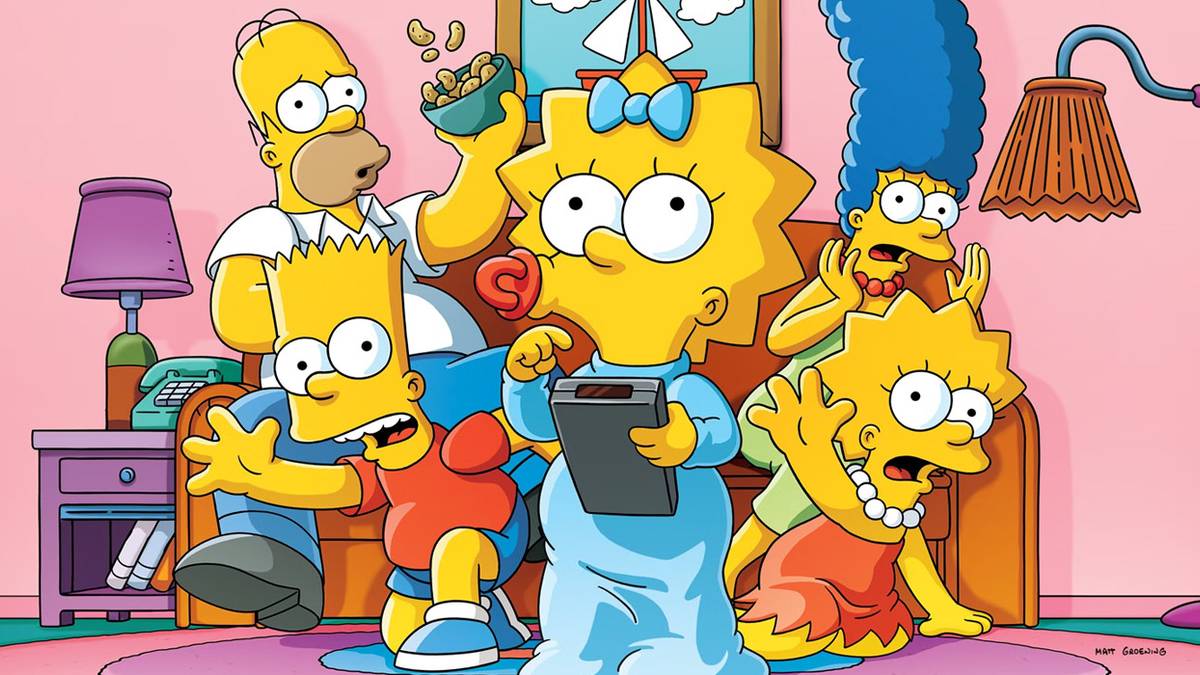
Debating the single greatest episode of The Simpsons is a favorite pastime for fans, with most arguments centering on the show's legendary early seasons. While many classics from that era could claim the title, one installment from Season 4 consistently rises to the top of the list. Airing in 1993, "Last Exit to Springfield" isn't just a high point for the series; it's often considered a flawless half-hour of animated comedy that has yet to be surpassed.
Homer's Heroic, Dental-Driven Journey
The plot is deceptively simple, yet brilliantly executed. When the miserly Mr. Burns eliminates the dental plan for employees at the Springfield Nuclear Power Plant, it couldn't come at a worse time for Homer Simpson. His daughter Lisa has just been told she needs braces. In a moment of unexpected clarity, Homer speaks up at a union meeting about the importance of dental care, leading to his improbable election as union president. What follows is a hilarious battle of wills, with Burns mistakenly believing he's up against a strategic mastermind, rather than a man simply trying to avoid a hefty orthodontist bill.

A Pop Culture Reference Playground
True to the show's golden age form, the episode is a dense tapestry of cultural nods and parodies. The title itself winks at Hubert Selby Jr.'s gritty novel Last Exit to Brooklyn. The episode then gleefully riffs on everything from The Godfather—with Homer imagining himself as a neighborhood don—to a Yellow Submarine-inspired hallucination sequence for Lisa. It even includes the show's signature homage to Citizen Kane. This commitment to layered comedy makes every rewatch a treasure hunt for new details, much like revisiting other cinematic masterpieces.
Sharp Social Commentary That Still Stings
Beyond the laughs, "Last Exit to Springfield" delivers surprisingly potent social critique. Its exploration of unionization, workers' rights, and corporate greed remains painfully relevant. The episode cleverly weaves in a joke about the infamous Teamsters leader Jimmy Hoffa, featuring a sly visual gag about his mysterious disappearance. While played for farce, the story finds genuine heart in the workers' solidarity, culminating in a protest song from Lisa that channels the spirit of folk music's protest anthems, not unlike the complex emotions found in Bob Dylan's masterpieces.
The Anatomy of a Perfect Joke
The episode is also a masterclass in sustained comedic bits, a skill the show perfected in its prime. From Homer's dazed "Dental plan... Lisa needs braces..." thought loop to the escalating absurdity of the strike negotiations, the timing is impeccable. It demonstrates how the series could build a joke to its breaking point and still land the punchline perfectly, a testament to its writing prowess.
Why It Still Holds the Crown
So why does this particular episode endure as the champion? It represents the perfect alchemy of what made The Simpsons revolutionary: relentless jokes, intelligent satire, heartfelt family moments, and cultural literacy, all packed into a tight 22 minutes. In an era where real-world tycoons can seem like straight-faced versions of Mr. Burns, the episode's satire feels less like exaggeration and more like prescient commentary. It proves that the most enduring comedy often holds a mirror to society's flaws, making us laugh while making us think.
While the show has created countless memorable moments over 37 seasons, "Last Exit to Springfield" stands as a complete package. It captures the series at the height of its creative powers, delivering a story that is as emotionally satisfying as it is hysterically funny. For many, it remains the definitive answer in the endless debate over the show's finest achievement—a true masterpiece that, like all great art, only seems to improve with age.