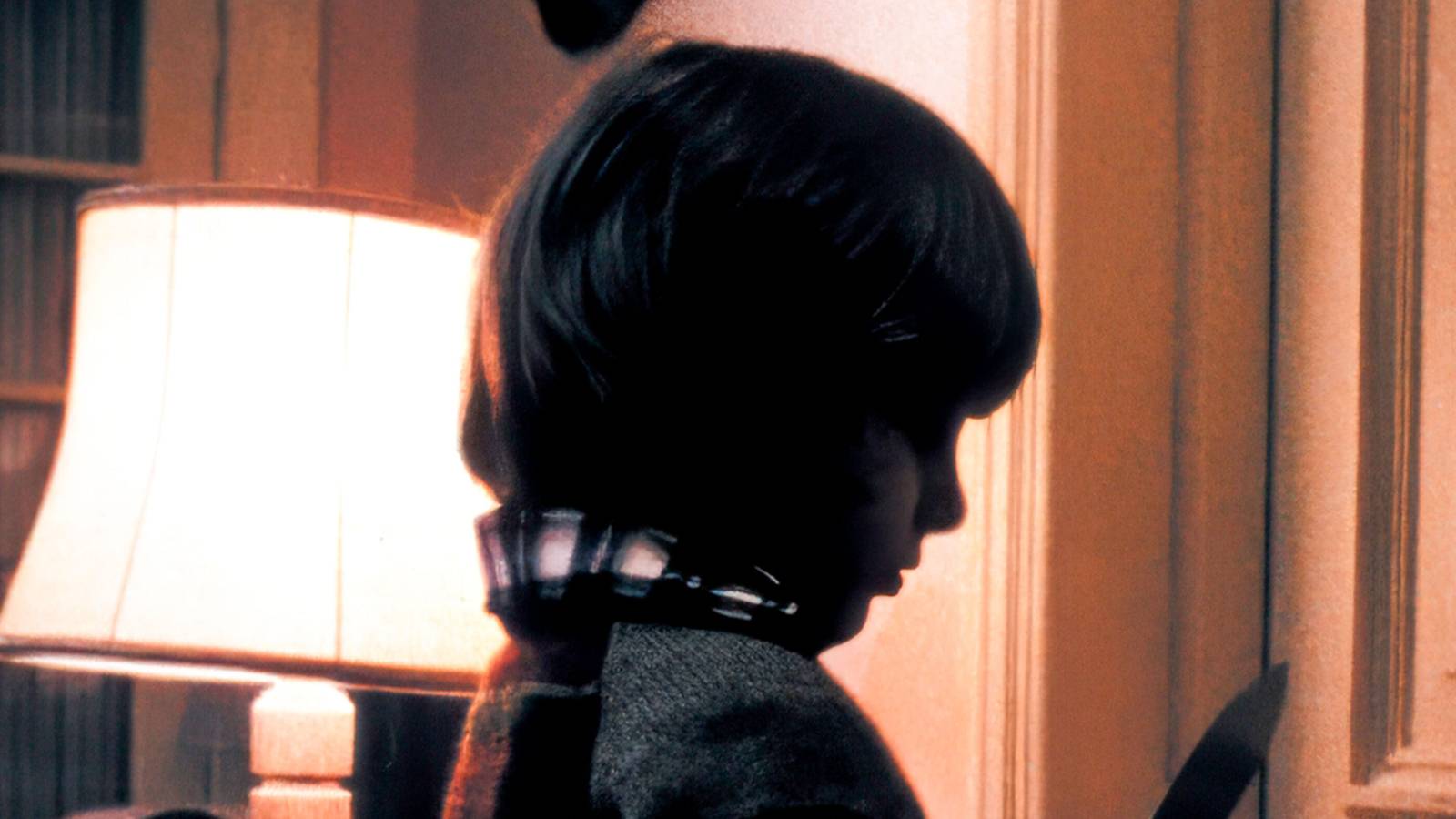
Stephen King fans know the debate well: his 1977 novel The Shining is a masterpiece of psychological horror, but Stanley Kubrick's 1980 film adaptation is the version that haunts pop culture. While King himself has been vocal about his displeasure with the movie, Kubrick's vision has become a cinematic touchstone—one that no other King adaptation has quite matched.
When the film premiered, King was unhappy with the liberties Kubrick took. The author had seen his first adaptation, Carrie, succeed under Brian De Palma, but The Shining was a different beast. Kubrick's changes were bold, starting with the casting of Jack Nicholson as Jack Torrance. In the novel, Jack is a struggling everyman whose inner demons are exploited by the haunted Overlook Hotel. In the film, Nicholson plays him as a man who seems unhinged from the start—his manic energy and iconic performance make the character's descent into madness feel inevitable.
That shift was controversial, but it's also what made the movie unforgettable. Nicholson's Jack is terrifying because he feels like a real threat—a family annihilator whose rage is barely contained. Kubrick externalized the novel's cerebral horror, using the hotel's eerie corridors and Jack's deteriorating sanity to create a visual nightmare. The result is a film that stands on its own, separate from the source material, yet undeniably powerful.
Kubrick's approach wasn't just about making Jack scarier; it was about translating King's internal monologue into something cinematic. The book's horror is largely psychological, but Kubrick turned it into a sensory experience—the iconic maze, the blood-filled elevator, the chilling twins. These images have become part of our collective memory, cementing The Shining as one of the greatest horror films ever made.
King's own attempt to reclaim his story came in 1997 with a TV miniseries that was more faithful to the novel. But that version, starring Steven Weber, proved that fidelity doesn't always equal quality. The miniseries lacked the tension and visual flair of Kubrick's film, and it's largely forgotten today. It's a lesson that adaptations must evolve for their medium, and Kubrick understood that better than most.
Warner Bros. deserves credit for backing Kubrick's vision, even when it meant diverging from the source material. The studio's gamble paid off, creating a film that has influenced countless horror movies and remains a benchmark for the genre. While it's not a perfect adaptation, The Shining is a perfect example of how a director's bold choices can elevate a story to new heights.
For fans of thrillers and horror, The Shining is essential viewing. It's a film that rewards repeat watches, revealing new layers of dread each time. And for those who appreciate the art of adaptation, it's a masterclass in taking a beloved book and turning it into something entirely its own.
If you're in the mood for more cinematic thrills, check out Guy Ritchie's crime classic or anime thrillers that hook you instantly. And for a different kind of horror, Ken Russell's controversial 'The Devils' is finally getting its due.