For decades, Ken Russell's The Devils has been a film whispered about in hushed tones—a legendary work of cinematic provocation that most could only experience through grainy, censored bootlegs. Now, 55 years after its initial release, a stunning restoration has finally brought Russell's uncut vision to the big screen, and the result is nothing short of a revelation.
I first encountered The Devils as a film student, watching a subpar, heavily edited copy that did the film no favors. At the time, I dismissed it as mere exploitation, failing to see the artistry beneath the controversy. But revisiting it now, with all its infamous scenes restored, I realize how wrong I was. This is not just a shocking historical drama; it's a deeply unsettling, darkly satirical, and spiritually profound masterpiece that has lost none of its power to disturb.
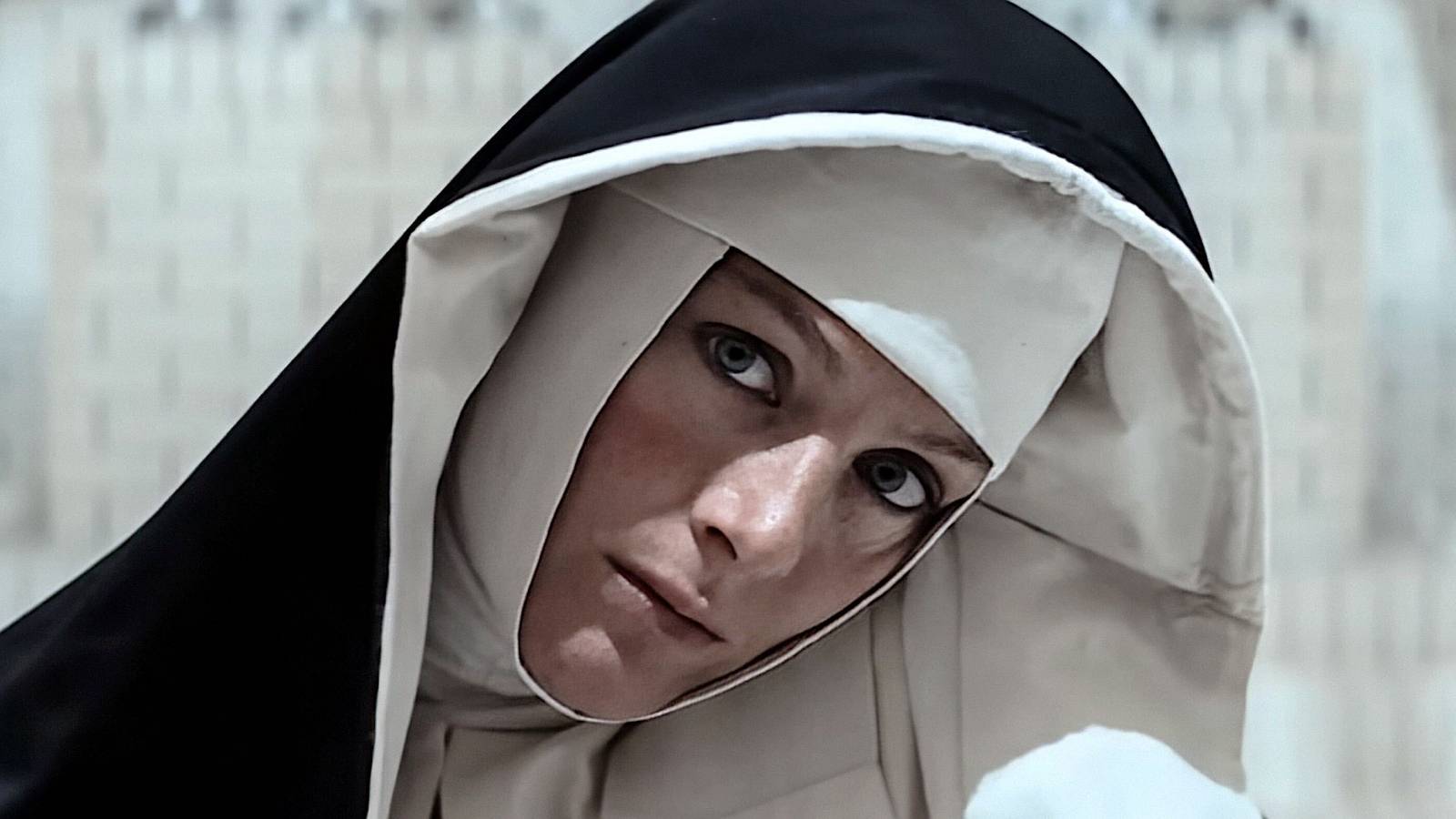
The film, based on Aldous Huxley's non-fiction book and John Whiting's play, tells the true story of Father Urbain Grandier, played with magnetic intensity by Oliver Reed. Set in 17th-century France, Grandier is a charismatic, sexually active priest whose influence in the walled city of Loudun threatens Cardinal Richelieu and King Louis XIII. When a sexually repressed abbess, played by a chilling Vanessa Redgrave, accuses him of witchcraft after he rejects her advances, the stage is set for a trial that is as corrupt as it is inevitable.
What follows is a descent into madness and hysteria, as the nuns of the Ursuline convent are coerced into feigning demonic possession, and Grandier is subjected to unspeakable torture. The film's unflinching depiction of this cruelty is precisely what made it so controversial in 1971, and it remains shocking today. But to see it now, in its complete form, is to understand that these scenes are not gratuitous—they are essential to the film's exploration of power, faith, and the human capacity for evil.
The restoration itself is a triumph. Warner Clockwork, the new arthouse label behind this release, has worked wonders with elements from Russell's personal copy and the original negative. The result is a visually stunning experience that highlights the expressionistic production design by Derek Jarman and the cinematography of David Watkin. Every garish detail, every shadow, every flicker of candlelight is now visible in all its glory.
This is a film that demands to be seen on the big screen, whether in its digital format or, ideally, on one of the 35mm prints now touring internationally. It's a rare cinematic experience that feels both timeless and utterly unique. And it's heartening to see that audiences and critics alike are finally embracing it, with the theatrical run extended due to overwhelming demand.
In an era where so many films are easily forgotten, The Devils stands as a testament to the power of uncompromising vision. It's a film that challenges, provokes, and ultimately rewards those willing to engage with its darkness. For those who have only heard of its legend, this restoration is the definitive way to experience it. For those who, like me, once dismissed it, it's a chance to see the light.
Ken Russell's The Devils is not just a masterpiece of psychological terror; it's a landmark of cinema that finally gets the treatment it deserves. Don't miss your chance to see it in all its uncut, uncensored glory.