There's a certain comfort in recognizing the villain of a monster movie. You know the shape, the sound, and the routine: the city-smashing, the defeat, the inevitable return. King Ghidorah, with his three heads, colossal wings, and golden scales, has always been that familiar terror. But director Takashi Yamazaki has stripped away that comfort in Godzilla Minus Zero, turning the franchise's most beloved rival into something far more unsettling.
Yamazaki understands the excitement fans feel at Ghidorah's arrival, but he also knows that nostalgia alone can't sustain the film's grounded, human-centric horror. This Ghidorah exists in a world where monster attacks leave behind grief and rubble, and his presence must feel like a genuine catastrophe. The result is a creature that becomes more horrifying as it transforms into the monster we recognize. The film delivers the epic showdown we crave, but before Godzilla can fight back, we're forced to confront what facing this beast would truly mean for everyone else.
A Familiar Design Turned Grotesque
Ghidorah's design has always been gloriously over-the-top. But Minus Zero exploits that excess by making us wait for the full monster to emerge. Instead of a fully formed golden terror, we get a creature still developing—a single-headed dragon that's already devastating enough. The anticipation of what he will become makes his current state feel like a warning. When the extra heads sprout, the tail splits, and the gold emerges from beneath a darker hide, it's not just a reveal—it's a worsening disaster.
The film denies us the reassurance of human intervention. Attempts to destroy Ghidorah fail, and apparent victories only lead to another stage of his evolution. The characters are making decisions based on assumptions about a creature they don't understand, and his constant transformation exposes how little they know. Yamazaki turns recognition into suspense: we know Ghidorah has more to become, but the characters are only beginning to realize how much worse it can get.
Anti-Gravity Beams: Turning Spectacle into Nightmare
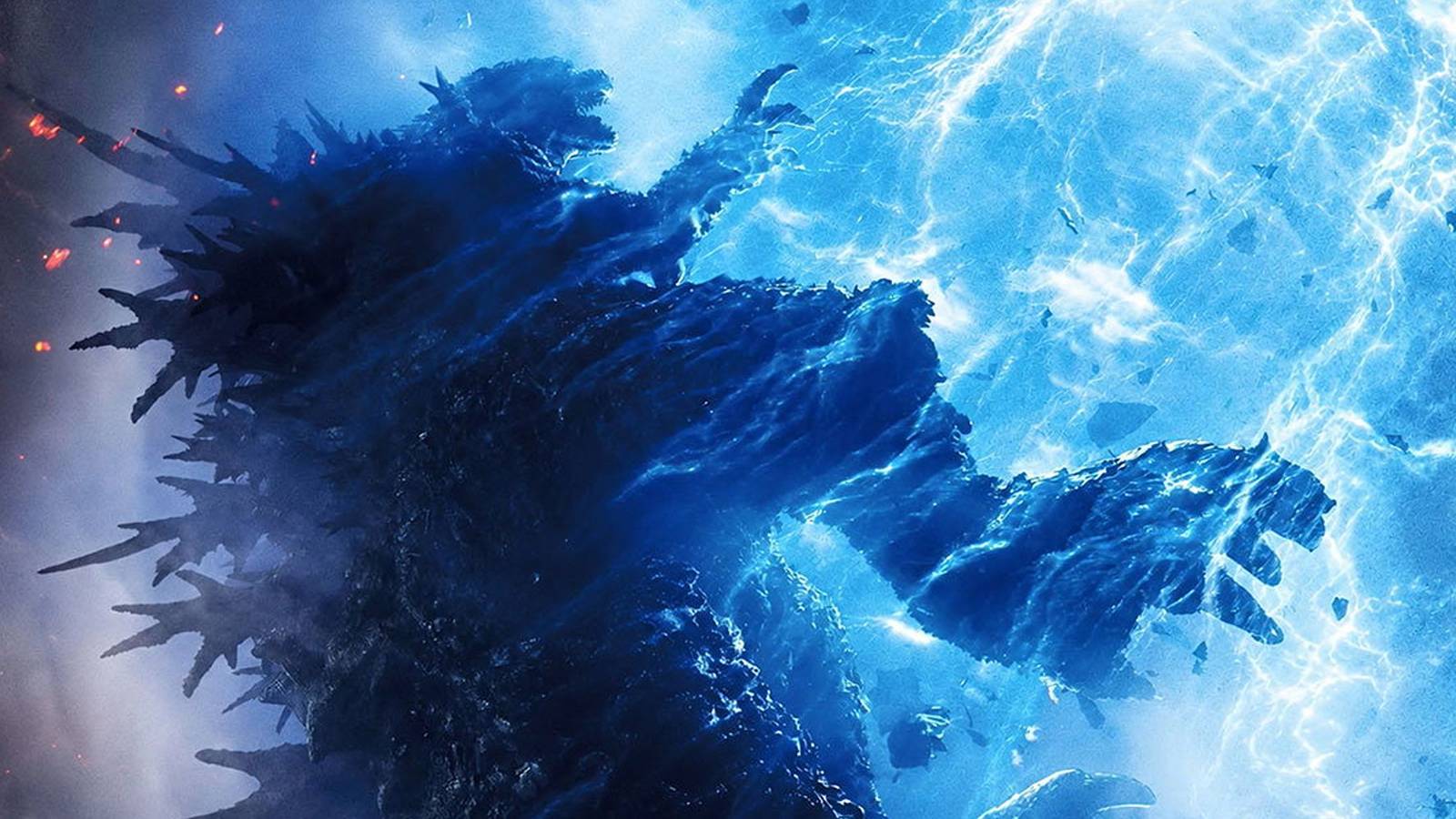
Ghidorah's powers in Minus Zero are equally terrifying. His attacks lift buildings and debris into the air before sending them crashing down. The ground itself—the most basic source of safety—becomes unreliable. There's a cruel suspense in watching a building hover, knowing people are inside, waiting for gravity to finish the job. This is where Yamazaki's focus on human life pays off. A monster movie hits harder when we care about the people in the path of destruction. The spectacle is awe-inspiring, but the circumstances make us desperately want it to stop.
Yamazaki has spoken about linking Ghidorah's weather-altering powers to the natural disasters that plagued post-war Japan. This Ghidorah isn't just a monster; he's a force that brings another catastrophe to people already struggling to rebuild. It's a connection that adds a layer of historical weight to the horror.
Godzilla: A Terrifying Last Resort
By making Ghidorah so frightening, Minus Zero also changes how we view Godzilla. After the events of Minus One, his return should inspire dread. But now, another creature has made that return seem necessary. The survivors are in an impossible position: the monster responsible for their suffering might be their only hope against an even greater threat. Ghidorah doesn't make Godzilla trustworthy—he just makes the alternatives unbearable.
Yamazaki has been clear that Godzilla is not our friend, and the film maintains that distance. The eventual confrontation between the two titans carries more weight than just a spectacle. It's a desperate gamble, with no guarantee of safety for humanity. Godzilla Minus Zero doesn't just make King Ghidorah scary again; it makes him a nightmare that lingers long after the credits roll.
For more on the future of the franchise, check out the director's thoughts on a sequel and the upcoming theatrical release.