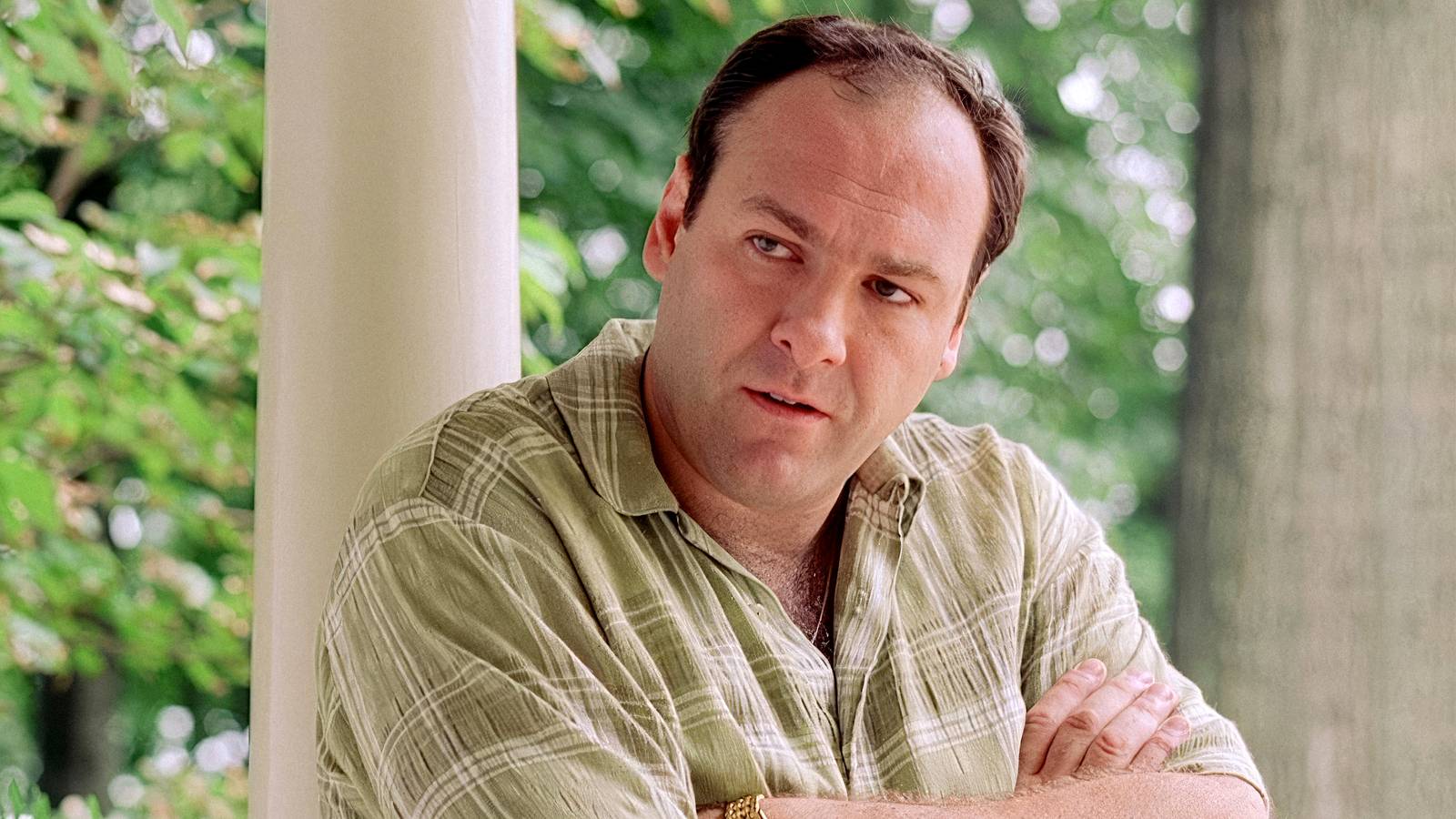
What happens when a serial killer hits middle age and starts wondering if anyone appreciates his work? For Dexter Morgan, it means trading his carefully guarded anonymity for a dangerous craving: recognition. In Season 2 of Dexter: Resurrection, Michael C. Hall's beloved antihero is at a crossroads, questioning everything he's built while his son Harrison works homicide and his dead father Harry's ghost nags him about losing his way. Episode 2, "Young Blood," makes it clear that Dexter's biggest threat isn't the police—it's his own ego.
In an exclusive chat with Collider, Hall explained that Dexter is starting to doubt the meaning of his secret life. "He's really wondering what it's all worth, if it's his secret, and the fact of his secret dies with every victim," Hall said. That's a dangerous shift for a man who's spent decades avoiding the spotlight, especially when he crosses paths with Brian Cox's Don Framt, the suspected New York Ripper, who thrives on the attention Dexter now craves.

Cox described his character's twisted relationship with fame: "He basks in the glory that maybe he is a serial killer, even though he knows he is a serial killer, but he basks in that glory. So he gets off on that." It's a chilling contrast between two killers who've gotten away with murder for years—one desperate to stay hidden, the other desperate to be seen.
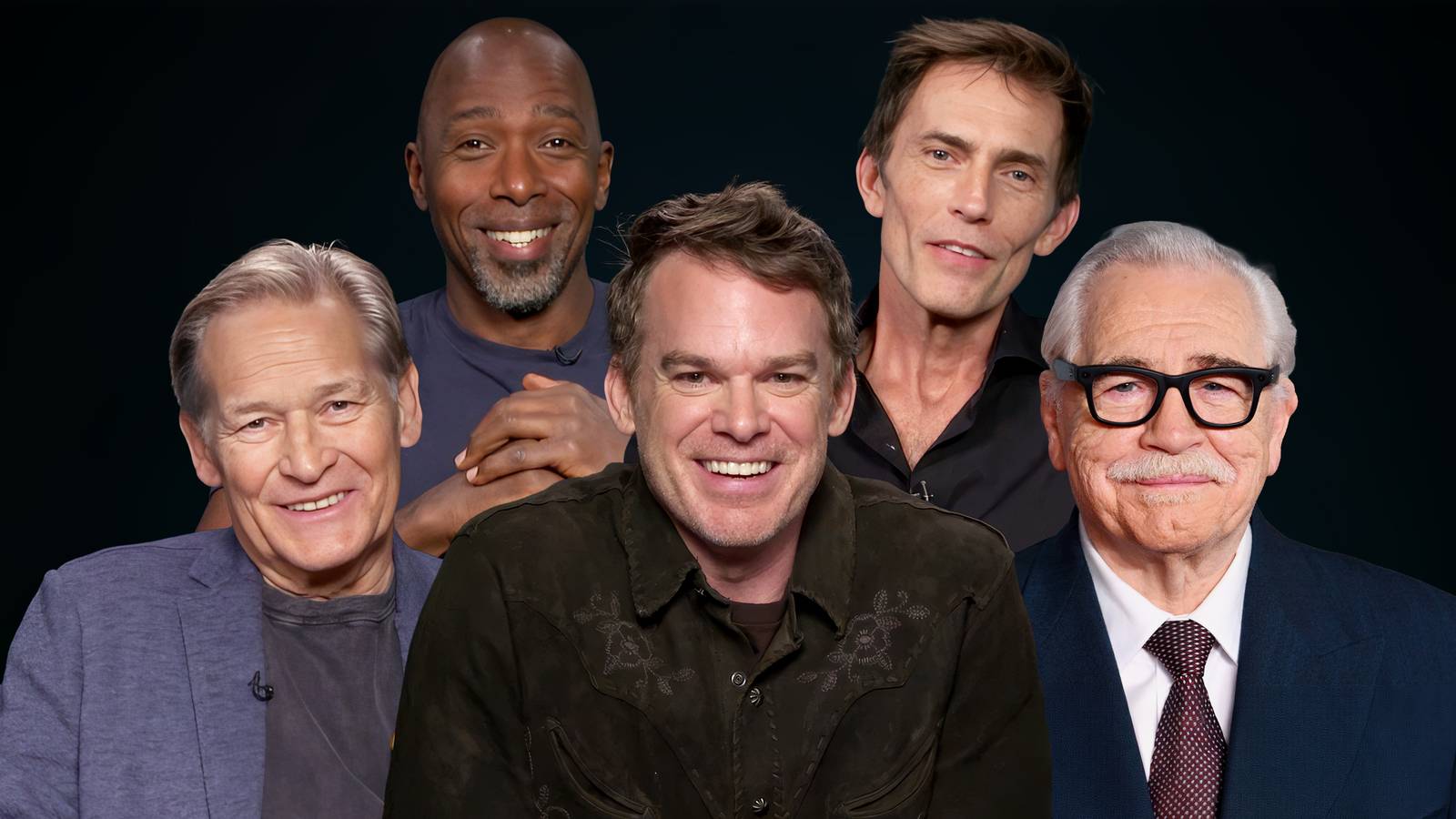
As if Dexter didn't have enough on his plate, Joey Quinn (Desmond Harrington) returns, digging into Angel Batista's (David Zayas) death. Hall, Cox, Harrington, Remar, and Ntare Guma Mbaho Mwine opened up about Dexter's shifting priorities, the people complicating his life, and why his latest choices—like teaming up with Uma Thurman's Charley—could spell serious trouble as the season unfolds.
Why Dexter Can't Resist Charley's Offer
Dexter has always been a lone wolf, but Episode 2 finds him reconsidering a strange business proposition from Charley, who offers to help him track down serial killers in exchange for a luxury apartment. His first target is Ray Ballard (Gabriel Luna), the Sleepy-Eyed Killer, who torments victims by rearranging their belongings before killing them. Dexter has his own conditions, but Hall says there's something about Charley's offer he finds hard to refuse.
"I think it's practical, logistical reasons. She gives him access that he wouldn't otherwise have. And on a level that maybe he can't fully appreciate or cop to, she sees him for who he is, and as much as she can admires him for it, and he craves that," Hall explained. But Dexter isn't taking advice from anyone these days—not even Harry. When his father questions his decisions, Dexter pushes back, asking why he can't just "be happy for once." Hall describes this as "a sort of free-floating defiance that he puts on his son, on his internalized father."
That rebellious streak makes his encounter with Don Framt all the more intriguing. After following him to a strip club, Dexter approaches the suspected Ripper pretending to be an admirer. But Don isn't worried about being linked to his crimes. Cox attributes his confidence to impulsiveness: "The thing about it is that he's very ignorant, also, about certain things, and he doesn't realize that he is walking on a tightrope sometimes. He just gets on that tightrope, and he walks it. And I think that that's to do with the sort of spontaneous nature of who he is."
Cox also had a colorful way of describing Don's appetite for attention: "It's like he's a bit of a—excuse my bad language—self-fame fucker, if you can imagine that," he laughed. "That's really what he is." Interestingly, Cox sees a parallel between the two killers, especially given the show's 20-year history. "Because of the length of the show, which is interesting, the 20-year length of the show, there is that same kind of lens in the relationship of Framt getting away with it, and it's so many, many years later. So there's that parallel, that's very clear in the story."
Dexter's Midlife Crisis Could Tear His Family Apart
While Dexter makes deals with Charley, his relationship with son Harrison (Jack Alcott) is entering strange territory. Now working homicide alongside Detective Wallace (Kadia Saraf), Harrison wants his father to leave the New York Ripper alone. Dexter agrees—on the surface. But in his own mind, he's not so sure. Hall says there's a reason Dexter struggles to take orders from his own kid.
"He wants it to have been his decision and his gift that he's given Harrison, not his command that he's following, which I think is something—it's obviously a unique situation, but in a father-son dynamic, something that would happen. 'I don't want to believe I'm following your orders, but that I'm granting you a wish you might have,'" Hall said, warning that their arrangement might not last. "It's the beginning of a thorny relationship where they're sort of negotiating who gets to have who and who gets to kill who. I think we'd be reasonable to suspect that that's not a sustainable dynamic."
For Remar, who plays Harry, Dexter's conscience, the season is about watching his son spiral. "He's seeing Dexter lose his way, and it's painful," Remar teased. With new alliances forming and old wounds reopening, Dexter: Resurrection Season 2 is shaping up to be the most personal—and dangerous—chapter yet. As Dexter's need for recognition grows, so does the risk that everything he's built will come crashing down.
For more on the twisted world of Dexter, check out our Star Trek reunion coverage, or see how Michael Fassbender's 'Hope' is finding new life on streaming.