When HBO first announced it was adapting Watchmen, skepticism ran high. Alan Moore and Dave Gibbons' original graphic novel is a sacred text in the comic world, and Zack Snyder's 2009 film had left fans divided. Yet in 2019, showrunner Damon Lindelof delivered a nine-episode miniseries that not only honored its source material but redefined what a crime sci-fi series could be. Six years later, it remains a benchmark for the genre.
Rather than retelling the comic's story, Lindelof crafted a bold sequel set 34 years later. This allowed the series to explore the same themes of power, justice, and identity while grounding them in contemporary America. The result is a show that feels urgent, relevant, and deeply human—a rare feat in the world of franchise extensions.
A Crime Sci-Fi Story Rooted in Real History
At its core, Watchmen follows Angela Abar (Regina King), a Tulsa detective who operates under the alias Sister Night. In a world where police wear masks to protect their identities and vigilantism is outlawed, Angela investigates crimes that are both personal and systemic. The series opens with a harrowing depiction of the 1921 Tulsa Massacre, using this real historical tragedy as the foundation for its narrative. By blending superhero mythology with America's legacy of racial violence, the show creates a crime sci-fi universe that feels both fantastical and painfully real.
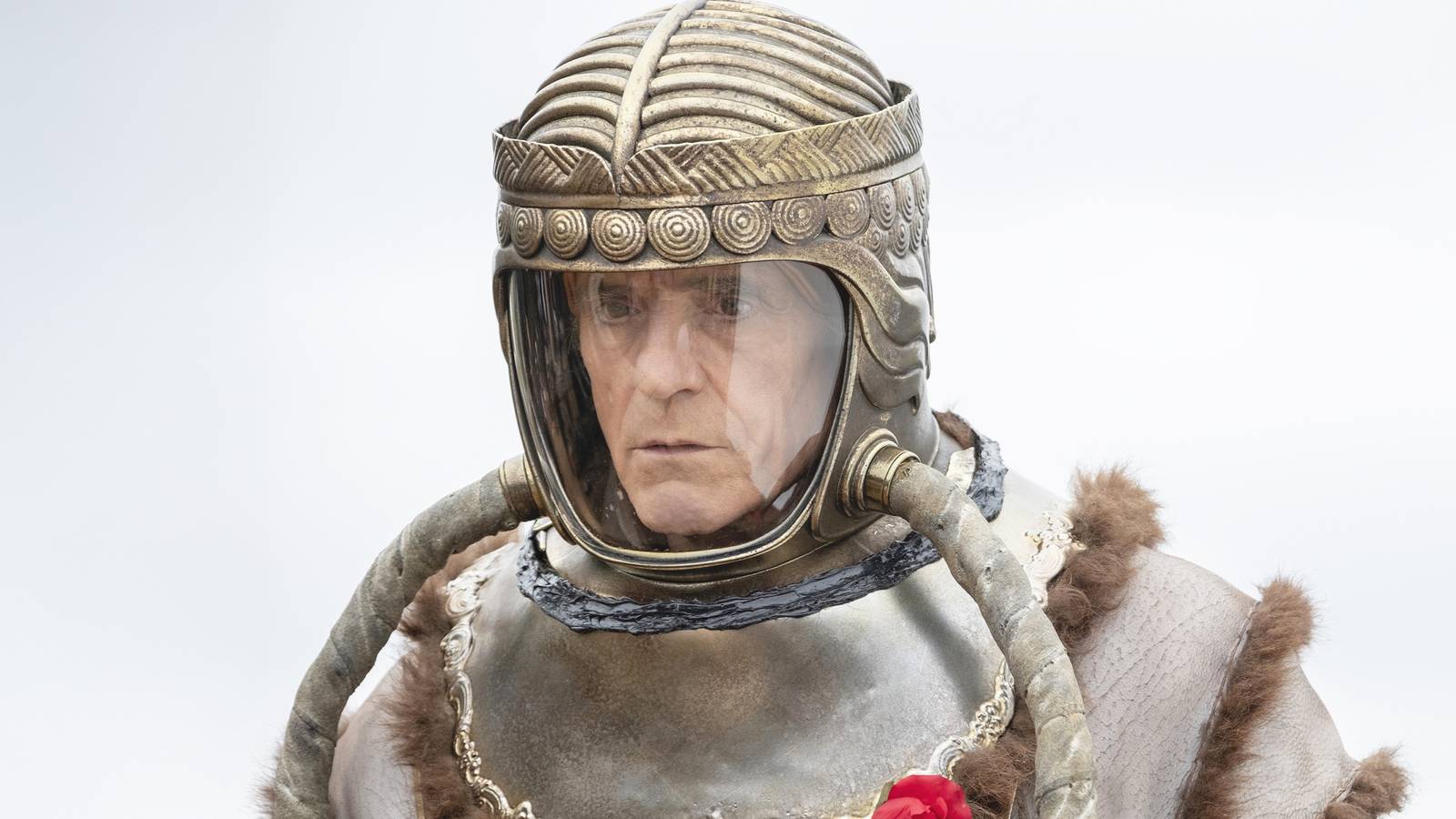
The ensemble cast is extraordinary. Alongside King, Yahya Abdul-Mateen II delivers a breakout performance as her husband Cal, later revealed to be Dr. Manhattan. Jean Smart, pre-Hacks, is razor-sharp as Laurie Blake, while Tim Blake Nelson brings surprising depth to the enigmatic Looking Glass. Jeremy Irons is delightfully unhinged as an aging Ozymandias. Together, they form the emotional core of a story that balances spectacle with intimacy.
A Perfect Ending That Refuses to Be Topped
What truly sets Watchmen apart is its finale. In an era where ambitious shows often stumble at the finish line, this miniseries stuck the landing. The final episode ties together Angela's grief, legacy, and choices in a way that is both bold and ambiguous. The closing moments—where she steps into something larger than herself—leave just enough mystery to fuel debate while delivering a deeply satisfying payoff. It's no wonder Lindelof chose not to pursue a second season; the story was complete.
The series won 11 Emmy Awards, including Outstanding Limited Series and Outstanding Lead Actress for King. Her performance in episodes like "This Extraordinary Being," where she relives her grandfather's memories, is some of the finest television acting in recent memory. The show's ability to weave sci-fi spectacle with a tragic love story makes it unforgettable.
For fans of crime sci-fi, Watchmen is essential viewing. It joins the ranks of other standout miniseries like Netflix's Osmosis in proving that the format can deliver powerful, self-contained stories. And for those who appreciate a perfect ending, it's a masterclass in how to conclude a narrative. Over just nine episodes, Watchmen accomplished what many shows fail to do in multiple seasons: it expanded a beloved mythology, delivered a socially relevant story, and ended on a note that still resonates.
In a TV landscape cluttered with endless reboots and extensions, Watchmen stands as a rare gem—a crime sci-fi series that knew exactly what it was and refused to overstay its welcome. It's a testament to what happens when visionary storytelling meets impeccable execution.