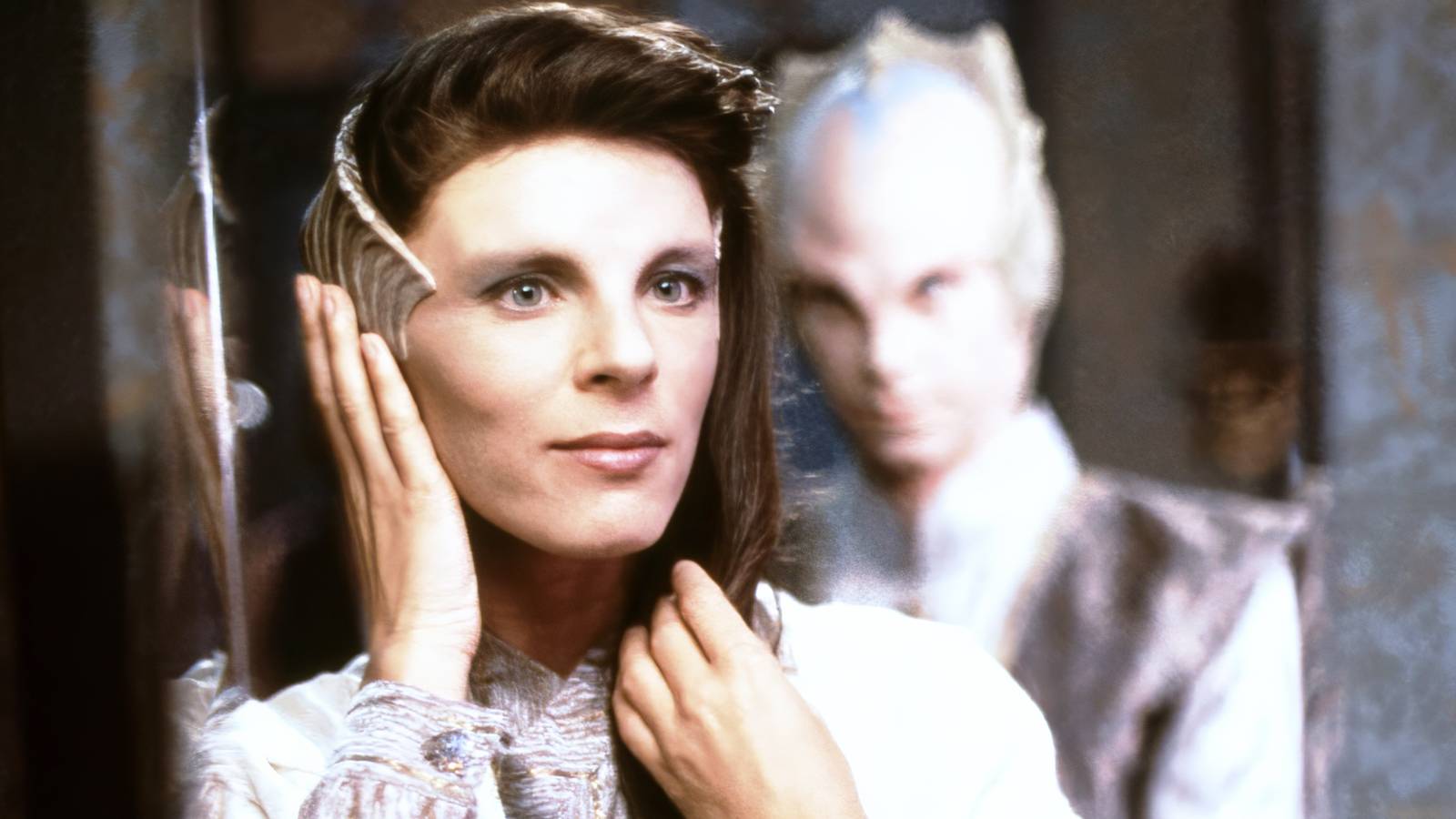
In the vast cosmos of science fiction television, certain franchises dominate the cultural conversation. From the galaxy-spanning adventures of Star Wars to the exploratory missions of Star Trek, the genre is rich with icons. Yet, one groundbreaking series often stands apart in its influence and ambition: Babylon 5. Conceived by J. Michael Straczynski, this visionary show didn't just tell a compelling story—it fundamentally redefined how long-form narratives could be constructed on the small screen, serving as a direct precursor to the complex, serialized dramas we celebrate today.
A Diplomatic Outpost at the Center of the Universe
The series is set on the Babylon 5 space station, a neutral ground designed to foster peace among humanity's Earth Alliance and various alien civilizations. What begins as a hopeful experiment in diplomacy quickly spirals into a web of interstellar conflict, ancient prophecies, and shadowy conspiracies. The narrative follows commanders Jeffrey Sinclair and later John Sheridan as they uncover cosmic secrets, including Sinclair's profound connection to the mystical Minbari and Sheridan's destined role in an apocalyptic war against the ancient, malevolent Shadows.

An Uphill Battle to Launch
Bringing this epic to life was a saga in itself. Straczynski's journey to get the series greenlit was fraught with challenges, including a famously painful pitch meeting where he presented the concept with a numbed mouth after a dental mishap. An additional hurdle emerged with the debut of Star Trek: Deep Space Nine, which also featured a space station setting. Straczynski publicly expressed frustration that his meticulously planned show might be perceived as a copycat, despite its unique, pre-mapped story arc.
The Architect of Modern Television Storytelling
Babylon 5 was revolutionary in its execution. Straczynski envisioned the entire five-season run as a single "novel for television," with a beginning, middle, and end already plotted. His control was unprecedented; he personally wrote 92 of the show's 110 episodes, including every script for Seasons 3 and 4—a feat of creative endurance rarely seen in television. This allowed for extraordinary character evolution, like the radical transformation of the Narn ambassador G'Kar from a vengeful warrior into a spiritual leader. Such deep, serialized character arcs became a hallmark of later prestige shows like Breaking Bad, but Babylon 5 did it first.
A Legacy Beyond the Original Series
The show's influence extended past its initial five-season run. It spawned TV movies and a short-lived spin-off, Crusade. More recently, the universe has been revived with an animated film, Babylon 5: The Road Home, and a live-action reboot is in active development with Straczynski at the helm, proving the enduring appeal of this meticulously crafted world.
When evaluating the pillars of sci-fi television, Babylon 5 stands as a foundational titan. It demonstrated that television could tell a single, grand, novelistic story over years, with character development and plot twists that paid off in spectacular fashion. It paved the way for the complex, serialized storytelling that defines modern hits. For anyone who appreciates the depth of today's epic series, from The Expanse to For All Mankind, understanding the legacy of Babylon 5 is essential. It wasn't just a show; it was the blueprint.