For decades, television action lived in the shadow of its cinematic cousins, often stuck in predictable "case of the week" routines. But a handful of daring series changed everything, rewriting the rules and proving the small screen could deliver heart-pounding thrills and complex storytelling. These shows moved action from a mere plot device to the very core of their narratives, creating blueprints that countless others would follow.
Miami Vice (1984–1989)
Before this iconic series hit the air, cop shows rarely prioritized style. Miami Vice, created by Anthony Yerkovich and supercharged by Michael Mann's cinematic vision, changed that forever. Following undercover detectives Sonny Crockett (Don Johnson) and Ricardo Tubbs (Philip Michael Thomas), the show fused pastel aesthetics, a killer soundtrack, and film-quality visuals into a pulsating whole. It felt less like a procedural and more like a weekly, neon-soaked action movie, tackling the moral gray areas of the drug war and setting a new visual standard that would influence everything from car chases to character depth.

Starsky & Hutch (1975–1979)
Today's buddy-cop dynamic owes its existence to this seminal series. The partnership between the street-smart David Starsky (Paul Michael Glaser) and the more cerebral Ken "Hutch" Hutchinson (David Soul) defined the "us against the world" formula. Their chemistry and emotional vulnerability broke 1970s TV conventions about masculinity, adding a layer of character-driven depth previously unseen in action dramas. Of course, the show delivered spectacular, film-rivaling car chases and intense confrontations, proving action and heartfelt camaraderie could be a perfect mix.
Buffy the Vampire Slayer (1997–2003)
On the surface, a show about a teenage girl fighting vampires. In reality, a genre-shattering masterpiece that redefined the action heroine. Buffy Summers (Sarah Michelle Gellar) subverted the damsel-in-distress trope, embodying female empowerment through strength, wit, and unwavering femininity. The series used its supernatural action as clever metaphors for real-world teenage angst and societal pressures, giving the fights emotional weight. Its influence echoes in modern fantasy and action storytelling, proving that genre-bending narratives could have profound depth.
24 (2001–2010)
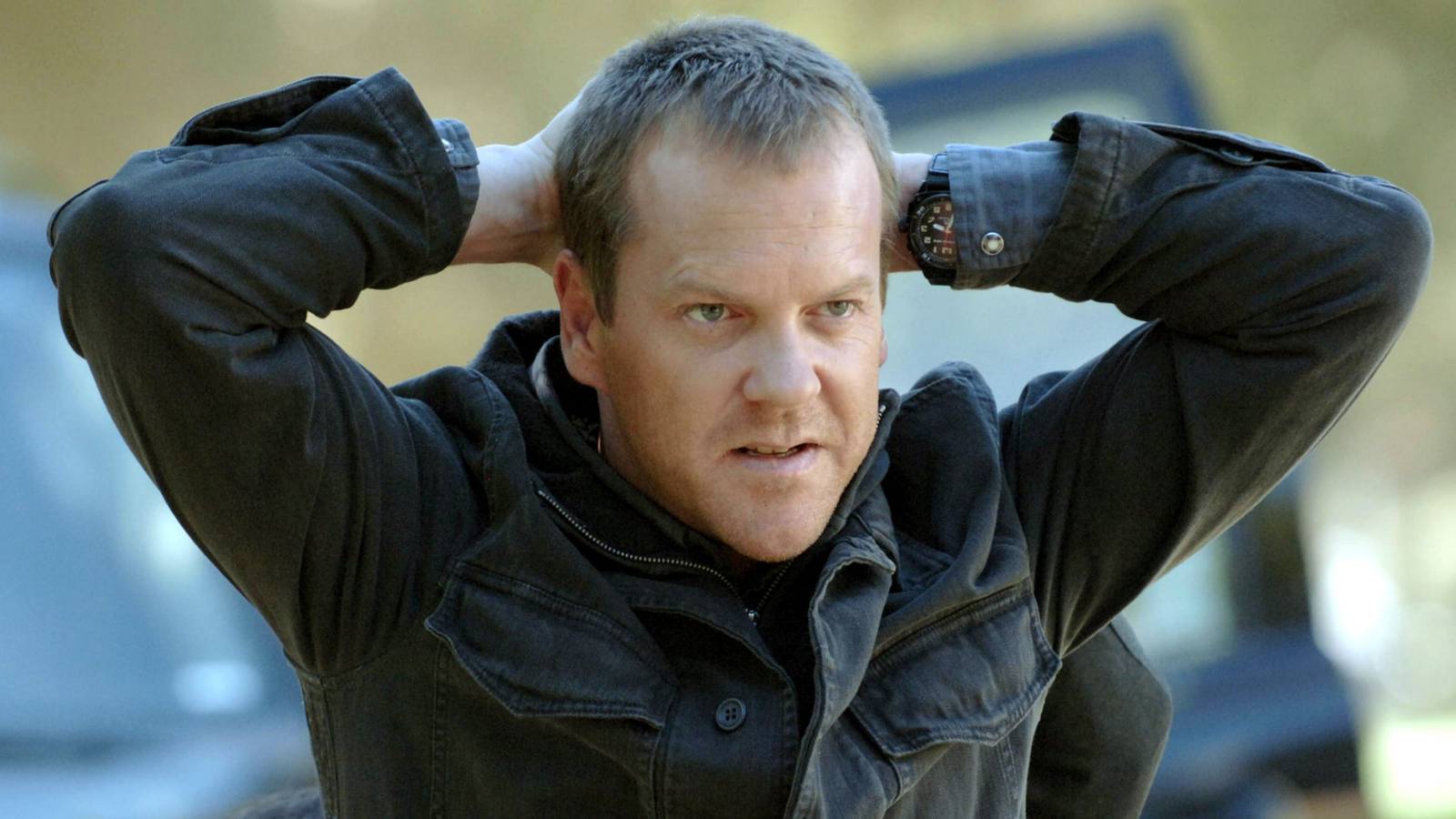
Jack Bauer's race against time introduced a relentless, real-time narrative structure that glued audiences to their screens. Each season's 24-hour countdown created unprecedented tension, with high-stakes counterterrorism plots that felt ripped from tomorrow's headlines. The show's willingness to put its protagonist and the nation in constant peril elevated TV action to a state of sustained, breathless anxiety, influencing a generation of thrillers that prized narrative momentum above all else.
The A-Team (1983–1987)
This series mastered the formula of explosive, consequence-free action with a charismatic team at its center. Led by the iconic Hannibal Smith (George Peppard), the A-Team specialized in outrageous plans, improvised weaponry, and wildly inventive action sequences that prioritized fun and spectacle over gritty realism. Its emphasis on teamwork, clever escapes, and a clear moral mission (helping the oppressed) created a template for action-adventure that was both immensely satisfying and endlessly entertaining, scratching a similar itch to classic adventure tales.
Together, these five series constructed the modern TV action landscape. They taught audiences that the genre could be stylish, emotionally complex, structurally innovative, and metaphorically rich—all while delivering the explosive set pieces fans craved. Their legacy is evident in every ambitious series that seeks to redefine its genre today.